
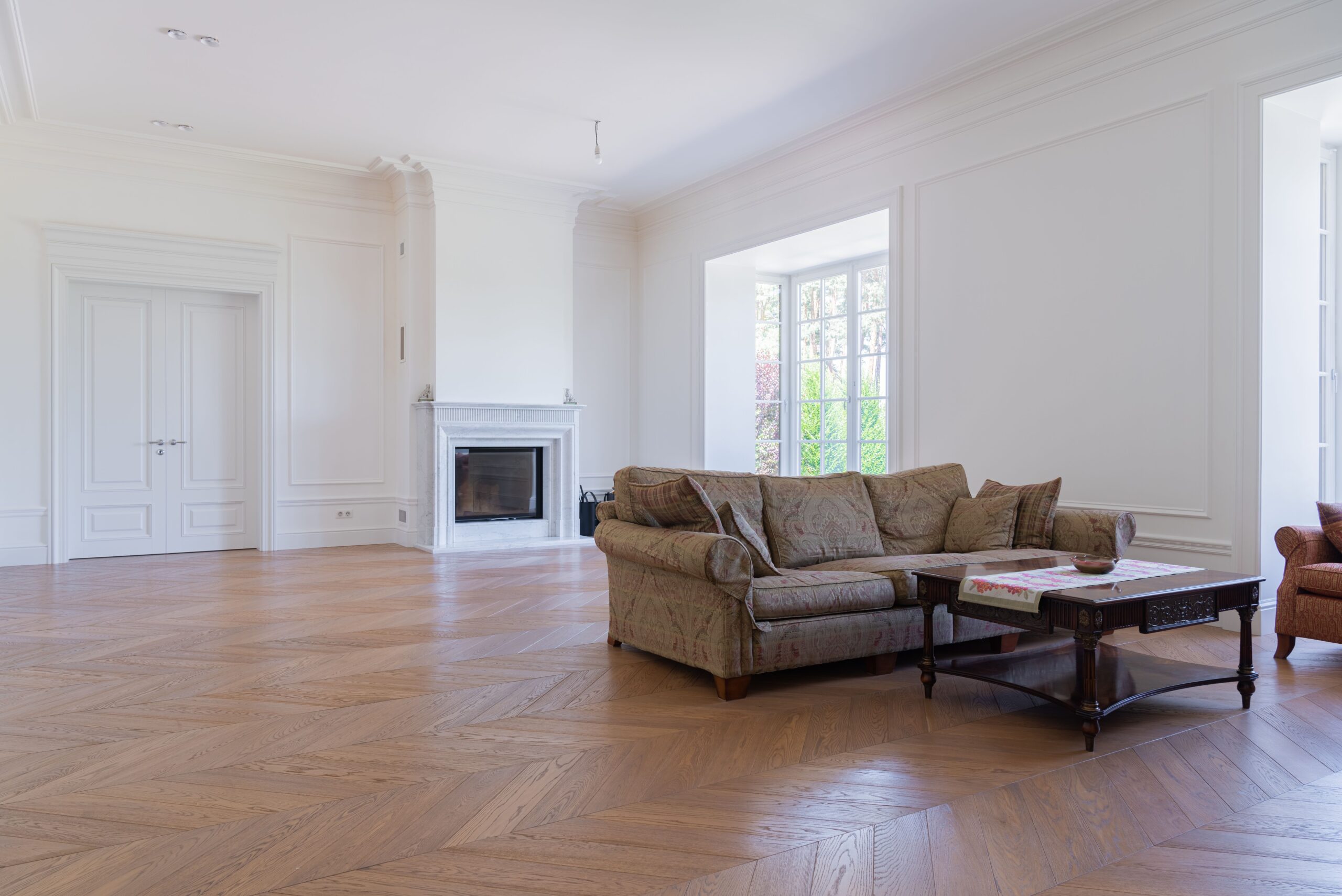
Walk into an older San Antonio home, and the kitchen floor will often surprise you. It is warm. Not in temperature, but in color.
Sun-baked orange. Honey. Soft brick red. The kind of shades that look like late afternoon light even at breakfast.
For years, much of the country went the opposite way. Cool gray planks spread through kitchens everywhere, looking crisp in listing photos and a little chilly in real life.
Now warm floors are making a comeback. South Texas, honestly, never let them go.
Here is where the look comes from, why it changes the mood of a kitchen, and how to bring it home without the old headaches.
Where the Warm Floor Habit Comes From
San Antonio has lived with earthy colors for centuries. The Spanish colonial missions along the San Antonio River were built from local stone and lime, and their sandy, sun-faded tones still shape how the city feels.
They are not just pretty old buildings, either. In 2015, the missions were named a World Heritage Site, only the 23rd in the United States.
Inside homes, that palette traveled down to the floor. Saltillo tile, named after the city in northern Mexico where it has long been made, became the classic South Texas kitchen surface.
Every tile was a little different. Some even had tiny paw prints baked right in. Nobody minded. That imperfection was part of the charm.
The city still celebrates color loudly, too. Fiesta brings paper flowers, confetti eggs, and bright ribbons out every spring, so a sunny floor fits right in with how locals like to live.
Why San Antonio Flooring Choices Are Warming Up
Part of the shift is plain gray fatigue. After years of cool, neutral everything, a lot of kitchens started to feel like showrooms instead of places to linger.
Color has a real pull on how a space feels. A global color study of 4,598 people across 30 nations found that people largely agree on which colors go with which emotions. Those shared reactions do not switch off just because the color sits under your feet.
Here is the twist, though. Most of today’s warm kitchen floors are not real clay at all.
Traditional Saltillo is soft and porous. It needs regular sealing, and a splash of red wine or tomato sauce can leave a permanent souvenir. So homeowners are getting the same glow from luxury vinyl, laminate, and wood-look planks in terracotta, rust, and honey tones.
Choosing that color is trickier than it sounds. A terracotta shade that glows at sunset can look flat under bright LED bulbs. That is why plenty of people shopping for flooring in San Antonio prefer comparing samples at home, right next to their own cabinets, counters, and morning light, rather than guessing from tiny squares in a store.
What a Warm Floor Does to the Room
The floor is usually the biggest single surface in a kitchen. Whatever color it is, light bounces off it and spreads everywhere.
A gray floor tends to cool that light down. A warm floor does the opposite. Morning sun looks more golden. White cabinets look creamier. Even a plain wooden table starts to feel like it belongs in a cozier house.
In the evening, warm floors soften the glare from overhead lights, so the room feels calmer when the day winds down.
And the kitchen gets a lot of use. According to federal time-use data, 57.2 percent of Americans 15 and older prepared food or drinks on an average day in 2022, spending about 53 minutes doing it.
That is a lot of standing, stirring, and waiting for the kettle. It might as well happen somewhere that makes you feel good.
The Practical Perks Nobody Mentions
Warm mid-tones are surprisingly forgiving. Crumbs, dust, and pet hair blend in better than they do on very light or very dark floors. That means fewer moments of spotting every speck the second you finish sweeping.
They also hide the small scuffs that come with real life, like chair legs dragged out for a late dinner or a pan lid that slipped.
Modern vinyl versions shrug off water, which matters in a room with a sink, a dishwasher, and at least one person who drips pasta water across the floor.
Texture is worth checking, too. Kitchens are where spills meet socks. According to CDC fall data, about one in four adults 65 and older report falling each year.
A matte finish with a little grain gives feet more to hold on to than a glossy one. If grandparents visit often, or you plan to stay in your home for decades, that detail deserves a spot on the list.
Try the Feeling Before You Commit
Here is the fun part. You do not have to decide based on a photo.
Put a sample right where you stand to make coffee and leave it there for a week. Step on it barefoot. Notice whether it feels like a place you want to linger.
Snap a quick photo in the morning, at noon, and after dark. Colors that look great at one hour can sulk at another.
Then play with what sits around it. Set a bowl of lemons on the counter. Bring out your brightest mug. Lay a cobalt dish towel nearby.
Invite someone over and ask what they notice first. Fresh eyes often catch what yours have stopped seeing.
Blue and terracotta are an old South Texas pairing for a reason, and seeing them together might be the moment the whole kitchen suddenly smiles back.
Keeping It Fresh, Not Themed
There is a fine line between warm and costume. The goal is a kitchen that feels sunny, not one that looks like a restaurant set.
Let the floor be the warm base, then keep the rest simple. Plain walls, natural wood, a few green plants, and modern hardware all help the color feel current.
If you love pattern, choose one spot for it. A painted tile backsplash or a colorful runner adds personality without competing with the floor.
A kitchen floor is rarely the first thing anyone thinks about when they want to feel happier at home. But stand on a warm one with your morning coffee and sun coming through the window, and you might notice your shoulders drop a little. South Texas figured that out a long time ago. Maybe your kitchen is ready to catch up.