
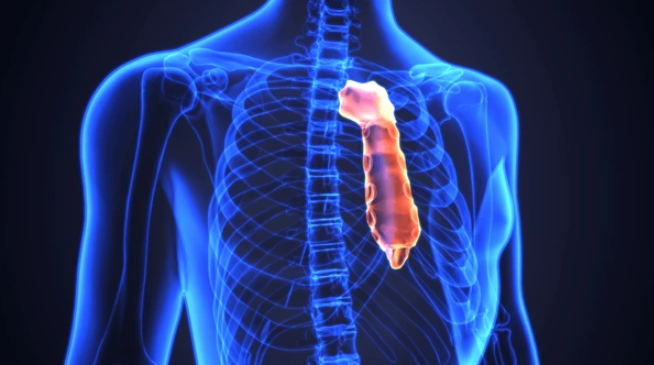
A broken sternum can cause significant pain and tenderness in the center of the chest, especially after a strong impact. Common signs include chest pain, swelling, bruising, and discomfort that becomes worse when breathing or moving.
Because these symptoms can resemble other chest injuries, recognizing broken sternum symptoms can help a person understand when medical attention may be necessary. The sternum, also called the breastbone, is the flat bone located in the middle of the chest.
It connects with the ribs and helps protect important organs, including the heart and lungs. A sternum fracture usually happens after substantial trauma, such as a car accident, serious fall, sports injury, or direct blow to the chest.
1. Chest Pain and Tenderness
Pain in the center of the chest is one of the most common signs of a broken sternum. The pain may be concentrated around the injured area and can become more noticeable when the chest is touched.
Even small movements may cause discomfort. Turning the upper body, lifting the arms, getting out of bed, or changing positions can make the pain worse. The area may also feel unusually sensitive or sore.
2. Pain When Breathing or Coughing
A fractured sternum can make normal breathing uncomfortable. Taking a deep breath causes the chest to expand, which can place pressure on the injured area.
People may also experience increased pain when coughing, sneezing, or laughing. Because of this discomfort, some people begin taking shallow breaths. However, avoiding deep breathing for long periods can create additional respiratory concerns, so medical guidance is important.
3. Swelling or Bruising
Swelling and bruising around the chest are also common after the type of trauma that can fracture the sternum. The skin may become discolored, and the area can appear swollen or feel painful when touched.
Bruising may not always appear immediately. It can become more noticeable during the hours or days following the injury. Significant bruising after a major impact should be evaluated because other chest injuries may occur along with a sternum fracture.
4. Difficulty Moving the Upper Body
A sternum fracture can make ordinary movements uncomfortable. Bending, twisting, reaching, or lifting may increase pain.
Some people naturally limit their movements because they are trying to protect the injured area. This can make daily activities such as driving, working, exercising, or sleeping more difficult.
If the injury occurred in a motor vehicle crash or another accident, difficulty moving should not automatically be assumed to come only from the sternum. Rib fractures, muscle injuries, and other trauma can produce similar symptoms.
5. Clicking, Popping, or Chest Instability
In some cases, a person may notice a clicking or popping sensation around the breastbone when moving or breathing. This may indicate movement around the injured area.
Chest instability is more concerning when accompanied by severe pain, breathing problems, dizziness, or other unusual symptoms. These signs can indicate a more serious injury and should receive prompt medical attention.
When to Seek Medical Care
A suspected sternum fracture should be evaluated by a healthcare professional, particularly after significant trauma. A doctor may perform a physical examination and determine whether imaging is needed to identify the fracture or check for other injuries.
Emergency medical attention is especially important if chest trauma is followed by severe or worsening pain, significant difficulty breathing, fainting, confusion, coughing up blood, bluish lips or skin, or unusual weakness. These symptoms can sometimes point to injuries involving the lungs, heart, or other structures inside the chest.
Treatment depends on the severity of the injury and whether other injuries are present. Many uncomplicated fractures are managed with pain control, rest, activity modification, and careful follow-up. More serious cases may require hospitalization or additional treatment.