
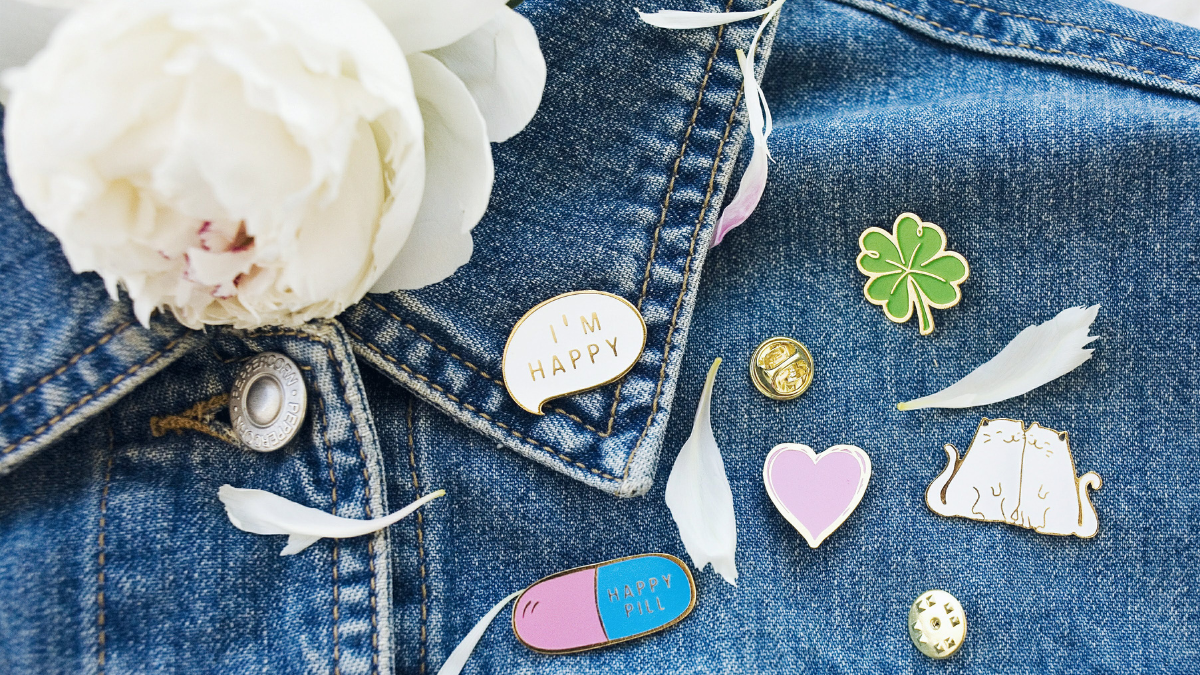
For handmade shops, packaging does more than protect an order during shipping. It becomes part of the customer’s emotional experience the moment they open the parcel. Buyers notice texture, color, presentation, and how thoughtfully the product was prepared before they fully judge what they purchased. That is why small branded touches can have such a strong effect. Enamel pins enhance packaging and unboxing by turning a simple order into something memorable, gift-like, and visually complete. They give handmade shops a way to add charm, identity, and repeatable style without making the package feel excessive or disconnected from the brand.
1. Enamel Pins Make Packaging Feel More Intentional
One of the strongest ways enamel pins improve packaging is by making the order feel intentionally designed rather than merely packed for delivery. Handmade shops often work hard to create products that feel personal, artistic, or carefully chosen. Still, if the packaging looks too plain or rushed, part of that emotional value can disappear before the customer even reaches the item. A small enamel pin can quickly change that impression. It introduces a decorative focal point that makes tissue wrapping, thank-you cards, backing cards, or boxes feel more thoughtfully assembled. This matters because buyers often connect presentations with care. When the first visible detail feels distinctive, the rest of the order can seem more polished and more consistent with the shop’s handmade spirit. In many packaging setups, stock pins can also give sellers a flexible way to add style without redesigning every other part of the unboxing experience.
2. Pins Help Handmade Brands Build a Stronger Visual Identity
Handmade shops often rely on packaging to communicate their personality in ways large retailers do not need to. A small business may not have a storefront, printed catalog, or full retail display, so the order itself becomes one of the most important brand moments for the customer. Enamel pins help strengthen that moment by giving the packaging a visual signature that feels collectible, recognizable, and tied to the shop’s tone. A whimsical pin can support a playful brand, a floral pin can suit a soft, romantic style, and a cleaner geometric design can reinforce a more modern, handmade identity. This matters because customers often remember brands through recurring visual details more than through a single business card or thank-you note. When a shop uses enamel pins consistently, it feels more distinct and cohesive. That can make the unboxing experience more memorable without requiring elaborate materials or high-volume packaging changes. Instead of the order feeling like one item wrapped inside generic supplies, it begins to evoke a small branded world that reflects the maker’s style from the outside in.
3. Unboxing Feels More Gift-Like When There’s Something Extra to Discover
Part of what makes an unboxing experience satisfying is the feeling that something to discover awaits with each layer you open. Handmade packaging often succeeds when it conveys care and delight without being too cutesy or too complicated. Enamel pins fit that balance well because they are a visible, reusable extra that feels more substantial than a sticker yet light enough to include across many order types. They can make the package feel more like a gift than a shipment. This difference matters because buyers are often emotionally invested in handmade purchases. They may be ordering for themselves after following the shop for a long time, or buying something for someone else because they want it to feel more personal than a mass-market product. When an enamel pin is part of the packaging, it adds an extra layer of surprise, only revealed during unboxing. They find a small object that feels thoughtful, display-worthy, and worth keeping, which can deepen the sense that the package was assembled with intention rather than mere basic delivery.
4. Reusable Details Make Packaging Feel More Valuable
Another reason enamel pins support better unboxing experiences is that they do not end their usefulness once the package is opened. Tissue paper, filler, and many printed inserts may look great in the moment, but their role often ends as soon as the customer unpacks. A pin is different because the customer can keep it, wear it, display it, or attach it to a bag, jacket, pouch, or corkboard. That lasting use makes the packaging feel more valuable overall. Instead of seeing the presentation as a temporary decoration, the customer receives something that can continue to carry the shop’s memory beyond. This creates memory beyond a business’s arrival; businesses aim to build long-term relationships rather than one-time purchases. The unboxing experience becomes part of the product’s afterlife. A reusable detail can keep the brand present in the customer’s everyday environment in a way most packaging cannot. That continued visibility also makes the original order feel more generous and more layered. Even if the pin was a small part of the total package, it can shape how the customer remembers the purchase because it extended the experience into daily use afterward.
5. Pins Can Make Simple Packaging Setups Feel More Complete
Many handmade sellers operate on tight budgets and limited resources, so they cannot always build branded packaging systems for every order. That does not mean the unboxing experience has to feel plain. Enamel pins can help simpler packaging setups feel fuller and more expressive without requiring a major increase in materials. A kraft box, tissue wrap, sticker seal, or thank-you card may already provide a clean base, but adding a pin can make the wrapping feel more finished and thoughtfully layered. This matters because many customers don’t expect luxury-level packaging from a handmade shop. They want sincerity, care, and visible attention. A pin offers a strong visual return in a relatively small format. It can anchor the presentation, support the color palette, and give the order a stronger sense of identity. That effect works well for shops that want packages to feel memorable without becoming bulky, expensive, or overly complicated to assemble. A small packaging system can still feel emotionally rich when one detail carries enough personality to lift the entire presentation.
-
Memorable Packaging Encourages Repeat Customers
Unboxing isn’t just about the moment a customer opens a parcel. It also affects what they say about the shop afterward, how likely they are to remember it, and whether they feel drawn to order again. Enamel pins support that long-term connection by transforming packaging from a background function into part of the shop’s experience. When the presentation feels charming, consistent, and worth remembering, it can strengthen how the buyer talks about the order with friends, shares it online, or considers returning. This matters because handmade shops often grow through emotional loyalty as much as through product need. Customers return to brands that make them feel something, even in small ways. A pin can contribute to that feeling by making the order seem more personal and more considered from the first glance to the final layer of wrapping. It does not have to be large or extravagant to be effective. Its value comes from how it supports the package’s atmosphere and shows care for the experience, not just the transaction.
The Takeaway: Small Details Leave a Lasting Impression
Enamel pins are better packaging and unboxing enhancers for handmade shops because they add personality and a visual sense of discovery without overwhelming the order. They make packaging feel more intentional, give simple materials more character, and offer customers something reusable that extends the memory of the purchase after the box is gone; for handmade sellers, that matters because the package often carries the brand as clearly as the product inside. When a small detail can make the experience feel more complete, more gift-like, and more memorable, it becomes part of what customers value and remember long after delivery day.