
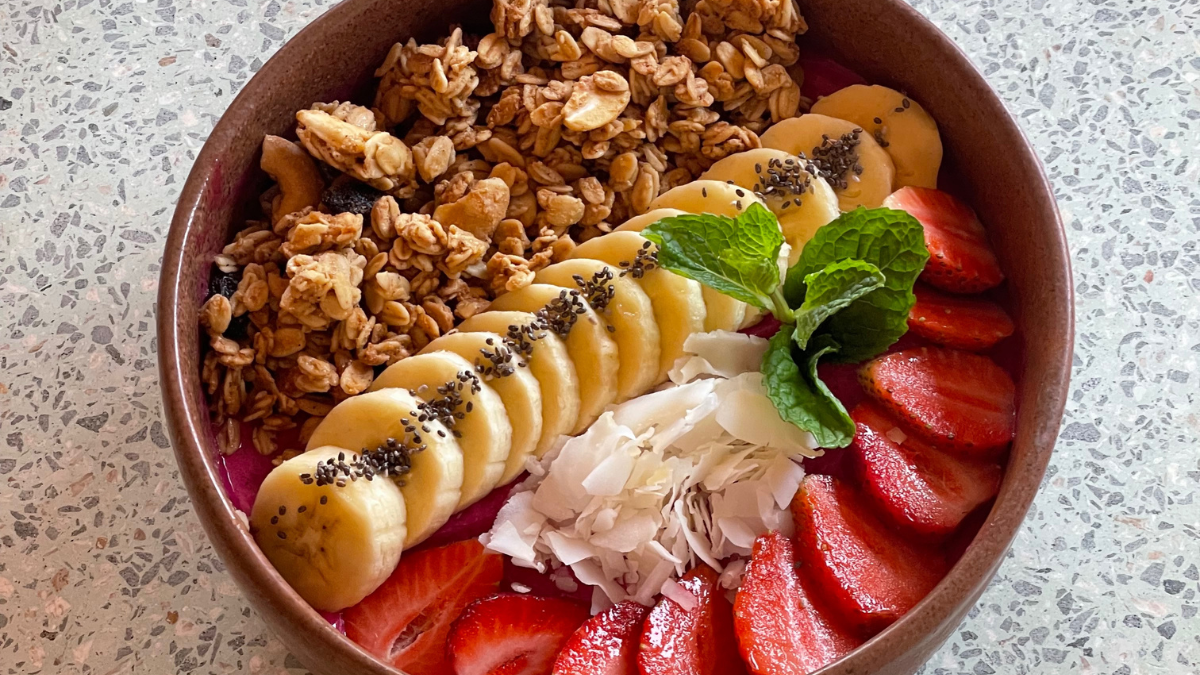
Walk into any health-conscious café from Portland to Brooklyn, and you’ll likely spot the same Instagram-worthy creation: a vibrant purple bowl topped with artfully arranged fruit, granola, and coconut flakes. The smoothie bowl phenomenon has evolved from niche health trend to mainstream breakfast staple, with the coconut acai base emerging as the foundation that elevated these bowls from simple blended fruit to something approaching nutritional alchemy.
What began in Brazilian surf towns has become a global movement, driven by more than just aesthetics. The marriage of acai berries and coconut creates a nutrient profile that addresses modern dietary concerns—antioxidant density, healthy fats, and sustained energy—while delivering the creamy, indulgent texture that makes healthy eating feel less like deprivation and more like celebration. For those pursuing wellness as a lifestyle rather than a diet, these bowls represent a shift toward food that nourishes without compromise.
Why Coconut Became the Base of Choice
The rise of coconut as a smoothie bowl foundation wasn’t accidental. Unlike dairy or nut milks that can overpower delicate flavors, coconut provides a neutral-sweet backdrop that amplifies rather than masks the acai’s berry notes. But the real story lies in what coconut brings nutritionally:
- Medium-Chain Triglycerides (MCTs): These fatty acids bypass normal fat digestion, converting quickly to energy rather than storage—a metabolic advantage that’s made coconut oil a staple in ketogenic and performance nutrition circles.
- Mineral Density: Coconut delivers meaningful amounts of manganese, copper, and selenium, minerals often lacking in modern diets that support everything from bone health to thyroid function.
- Natural Electrolytes: When using coconut water as part of the base, you’re incorporating potassium, magnesium, and sodium in ratios that support hydration more effectively than plain water.
- Lauric Acid: This antimicrobial fatty acid, also found in breast milk, supports immune function and gut health—concerns that have moved from alternative medicine to mainstream wellness.
Research has validated many traditional uses of coconut, particularly regarding its unique fatty acid profile and metabolic effects. The science supports what tropical cultures have known for millennia: coconut is functional food in the truest sense.
The Acai Berry’s Journey From Amazonian Staple to Superfood Status
Before acai bowls became brunch menu fixtures, these deep purple berries sustained indigenous Amazonian communities for centuries. The Caboclo people of Brazil consumed acai as a dietary staple, not a trendy superfood—it provided calories, nutrients, and energy for physically demanding lifestyles in challenging environments.
What changed? In the early 2000s, Brazilian jiu-jitsu practitioners and surfers in Rio de Janeiro began blending frozen acai with guarana syrup and banana, creating the prototype for modern acai bowls. The trend migrated north to California’s surf culture, then exploded globally as research emerged quantifying acai’s antioxidant content. Studies found acai berries contain anthocyanins—the same compounds that make blueberries healthy—at concentrations three times higher than most berries.
Acai’s ORAC score (a measure of antioxidant capacity) exceeded that of cranberries, raspberries, and blackberries. This scientific validation transformed acai from regional food to global commodity, though it also sparked concerns about sustainability and cultural appropriation as demand skyrocketed.
Building Your Coconut Acai Base: Technique Matters
Creating a proper coconut base for acai bowls requires understanding texture and temperature. The goal isn’t a drinkable smoothie—it’s a thick, spoonable base that holds toppings without turning soupy. Here’s how to achieve that consistency:
- Start with frozen acai: Use unsweetened frozen acai puree packets (typically 100 grams each). Avoid pre-sweetened versions that mask acai’s natural tartness with added sugars.
- Choose your coconut medium: Full-fat coconut milk from a can provides the richest base. For lighter versions, coconut water works but requires additional frozen fruit for thickness. If you’d rather skip the ratio guesswork, brands like Sambazon, Açaí Roots, and Acai Exotic sell ready-made frozen bases, including coconut bowl base blends.
- Blend minimally: Use just enough liquid to get the blender moving—usually 1/4 to 1/2 cup. Over-blending incorporates air and creates a mousse-like texture rather than the dense, ice-cream consistency you want.
- Add frozen banana strategically: Half a frozen banana adds natural sweetness and helps achieve that thick texture, but too much banana overwhelms the acai flavor.
- Sweeten thoughtfully: If needed, add a teaspoon of honey, maple syrup, or dates. The coconut base already provides subtle sweetness, so start conservatively.
The difference between a mediocre bowl and an exceptional one often comes down to these technical details. Professional smoothie shops invest in high-powered blenders like Vitamix or Blendtec specifically because they can process frozen ingredients without requiring excess liquid.
Topping Strategies: Nutrition Meets Aesthetics
The toppings transform a coconut acai base from simple breakfast to complete meal. Strategic topping choices can address specific nutritional goals while creating visual appeal:
- For sustained energy: Add granola, sliced almonds, or nut butter to provide protein and additional healthy fats that slow sugar absorption.
- For antioxidant boost: Layer fresh berries—blueberries, strawberries, and raspberries—which complement acai’s antioxidant profile with their own polyphenol content.
- For omega-3s: Sprinkle chia seeds, hemp hearts, or ground flaxseed to add plant-based omega-3 fatty acids often lacking in modern diets.
- For fiber: Include sliced banana, kiwi, or apple to increase soluble fiber content, supporting digestive health and satiety.
- For protein: Consider a small scoop of collagen peptides or plant-based protein powder blended into the base, or top with Greek yogurt for a probiotic boost.
The Holistic Health Philosophy Behind Bowl Culture
The coconut acai bowl phenomenon intersects with broader shifts in how people approach wellness. Rather than viewing food purely as fuel or following restrictive diet rules, bowl culture embraces what nutritionists call “gentle nutrition”—making health-supportive choices that also provide pleasure and satisfaction.
This philosophy aligns with emerging research on the psychology of eating. Studies show that people who enjoy their healthy food choices maintain those habits longer than those who view healthy eating as punishment. The ritual of preparing a beautiful bowl—selecting colors, arranging toppings, perhaps sharing the result on social media—transforms a meal into a mindfulness practice.
For many practitioners of intentional self-care, the morning bowl becomes a non-negotiable act of self-respect. It’s not about perfection or restriction, but about starting the day with something that nourishes body and spirit simultaneously. The vibrant colors, varied textures, and fresh flavors engage multiple senses in a way that a protein bar or rushed breakfast never could.
Sustainability Considerations in the Acai Supply Chain
As acai demand has exploded globally, questions about environmental and social impact have become impossible to ignore. The berries grow wild in the Amazon rainforest, and harvesting them has traditionally provided income for local communities without requiring deforestation. However, increased demand has created pressure to expand production, sometimes through plantation farming that threatens biodiversity.
Conscious consumers should look for acai products that are organic and fair-trade certified, ensuring that the communities harvesting these berries receive fair compensation and that production methods don’t contribute to rainforest destruction. Some companies now provide transparency about their supply chains, documenting relationships with specific cooperatives in Brazil.
The coconut industry faces similar scrutiny. Reports of exploitative labor practices in some coconut-producing regions have prompted calls for better certification standards. Choosing products from companies that prioritize ethical sourcing isn’t just virtue signaling—it’s recognizing that true wellness extends beyond personal health to include the wellbeing of people and ecosystems throughout the supply chain.
Making the Coconut Acai Base Part of Your Routine
The barrier to regular bowl consumption isn’t usually desire—it’s logistics. Preparing a proper coconut acai bowl takes 5-10 minutes, which can feel impossible on rushed mornings. Here are strategies that make it sustainable:
- Batch prep your add-ins: Spend 20 minutes on Sunday chopping fruit, portioning granola, and organizing toppings in containers. This reduces morning prep to just blending and assembling.
- Keep frozen acai stocked: Buy acai packets in bulk online or from warehouse stores. They keep for months in the freezer and eliminate the “I don’t have ingredients” excuse.
- Invest in the right tools: A high-powered blender makes the process dramatically easier. If that’s not feasible, let frozen acai packets thaw for 5 minutes before blending to reduce strain on less powerful motors.
- Embrace imperfection: Not every bowl needs to be Instagram-worthy. Some mornings, a simple base with banana and granola is enough. The goal is consistency, not perfection.
For those exploring holistic approaches to wellness, the coconut acai bowl offers a tangible daily practice—a way to vote for your health with your fork, to start the day with intention, and to prove that nourishment and pleasure aren’t mutually exclusive. In a culture that often treats healthy eating as deprivation, these bowls offer a different narrative: one where taking care of yourself looks and tastes like abundance.