
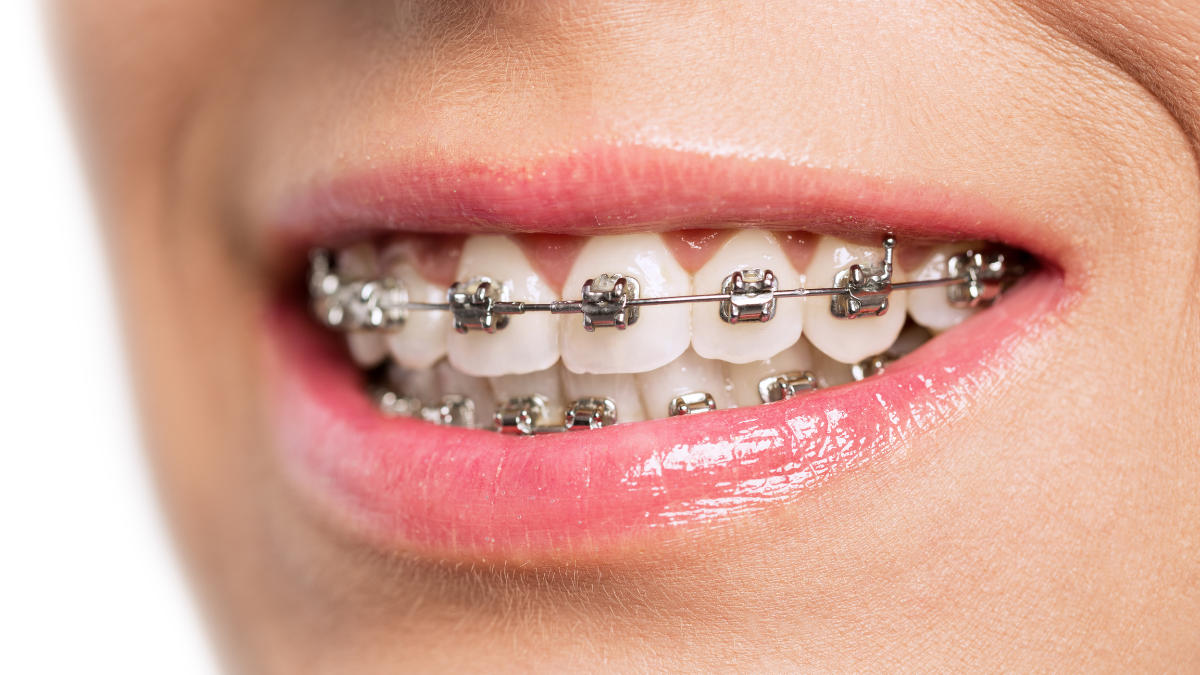
Six weeks after I got my braces tightened for the first time, I ate a bagel. Big mistake. I remember sitting in third period, tongue poking at the wire, wondering why nobody had warned me that the second week hurts worse than the day you get them on.
Here’s the good news: the hard part really is temporary, and most of the misery people complain about comes down to a handful of small habits you can fix in an afternoon. This guide walks you through the first rough stretch, the eating rules, the cleaning routine that saves your enamel, and the retainer trap that catches almost everyone. If you’re a parent reading this on behalf of a kid who just got brackets, you’re in the right place.
Week one: what’s actually happening in your mouth
Braces work by applying steady, gentle pressure that causes the bone around each tooth to remodel. That’s why the soreness feels deep rather than surface-level. Your teeth aren’t chipped or cut. The surrounding tissue is simply reorganizing.
Soft food for the first three to five days is not a suggestion. Scrambled eggs, yogurt, applesauce, mashed potatoes, smoothies thick enough to eat with a spoon. What surprised me was how much cold helped. A frozen washcloth pressed against the outside of my cheek did more for the ache than anything else, and it’s free.
Take an over-the-counter pain reliever about an hour before each adjustment appointment, not after. According to the American Dental Association, regular dental visits are essential to maintaining oral health, and orthodontic checkups follow the same logic: showing up on schedule is what keeps the timeline from stretching out.
Two things you should not do in week one
- Don’t poke at the brackets with your tongue or fingers to check if they’re loose. You’ll just irritate the gum tissue.
- Don’t skip meals because chewing hurts. Hunger makes pain feel worse, and a kid who hasn’t eaten is a kid who won’t brush properly.
Wax, wires, and the poking problem
Every braces kit should have dental wax, and yet almost nobody uses it right. You don’t need a lot. Pinch off a piece the size of a peppercorn, dry the bracket with a tissue, and press the wax onto whichever edge is cutting into your lip. Replace it after every meal. Yes, it’s annoying. It’s also the difference between a manageable week and a miserable one.
If a wire pops out of the back bracket and starts stabbing your cheek, don’t panic and don’t cut it. Call your orthodontist and ask what they want you to do between now and your next visit. Most offices will see you the same day for a wire that’s genuinely digging in.
Eating rules that actually matter
You’ll hear a long list of forbidden foods. Most of it boils down to three categories: things hard enough to snap a bracket, things sticky enough to pull one off, and things that wedge themselves into places you can’t reach.
| Skip it | Try instead
|
|---|---|
| Whole apples and raw carrots | Cut into thin slices or spirals |
| Popcorn, especially the kernel | Puffed rice snacks |
| Caramel, taffy, gummy candy | Soft chocolate that melts |
| Corn on the cob, ribs, chicken wings | Cut the kernels and meat off the bone |
| Ice cubes | Cold water or crushed ice you don’t chew |
Notice that nothing on that list is banned forever. Cutting an apple into slices solves the problem without giving up apples, which is a better deal than most diet advice offers.
The cleaning routine nobody sticks to
Brackets create little shelves where plaque collects, and the gum line underneath them is exactly where early decay likes to start. Brushing twice a day for two minutes still applies, but the technique changes. Angle the bristles above the bracket, then below it, then along the gum line. A water flosser makes the between-wire part dramatically easier, and I’d take one over a fancy electric brush if I had to pick.
Skip the whitening toothpaste while you’re in treatment. It only reaches the exposed enamel, which means when the brackets come off, you can end up with a faint pattern where each one sat. Nobody warns you about that one at the consult.
One small habit that paid off for me: keeping a travel brush and a tiny mirror in my backpack. Lunch at school, ten minutes after eating, one quick pass. It took less time than standing in line for a soda, and my hygienist noticed at every visit.
Two years is a long time. Four is longer.
The single biggest reason treatment runs long is missed appointments, and the second is broken brackets. Both are avoidable, and both are boring reasons to spend an extra year in metal. If you’re the parent, put every adjustment on the family calendar the moment you leave the office. That sounds obvious. It’s also the thing families forget most often.
For anyone in the Brookhaven area weighing options, it helps to have a team that will actually tell you how long you’ll be wearing them and what it’ll take to stay on schedule. If that’s you, you can look into brookhaven braces and ask the specific questions that matter: how many visits, what happens if a bracket breaks, and whether retainers are included in the quoted price.
Once they come off, the real test starts
The moment the brackets come off, most people want to celebrate and stop thinking about their teeth. Please don’t. Teeth drift for years after treatment ends. The Centers for Disease Control and Prevention has documented that community water fluoridation remains one of the most effective public health measures for preventing tooth decay, which is a nice reminder that the basic stuff matters long after the metal is gone.
Wear the retainer unless you’d like to pay for braces a second time. Most people who lose their results did it by being diligent for six months and then letting the retainer sit in a drawer for a year.
A quick checklist for the first month
- Put wax, a travel brush, and a small mirror in a bag you carry daily.
- Schedule every adjustment appointment before you leave the office.
- Stock soft foods the day before each visit, not after.
- Set a phone reminder for night-time retainer wear once treatment ends.
- Read the MouthHealthy guidance on caring for braces and share it with whoever’s helping you keep track.
The people who breeze through braces aren’t tougher than everyone else. They just did a few unglamorous things consistently. You can be one of them.
So here’s my question for you: what’s the one food you’re most worried about giving up for the next two years?