
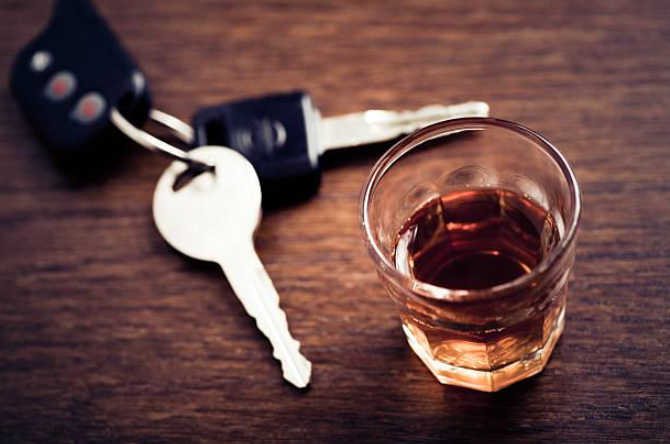
If you are new to the domain of DWI, let’s clear up the basics for you. In Texas, a first DWI offense can carry fines, license consequences, jail time, and court requirements. The consequences can become more serious when certain facts surrounding the arrest lead to enhanced charges or mandatory minimum penalties.
Texas has millions of licensed drivers and a large network of highways, including major routes such as I-35, I-10, and I-45. With so much daily traffic, impaired driving remains an important road safety concern. In 2022, alcohol-impaired crashes accounted for almost 22% of traffic fatalities in the United States, according to the NHTSA.
Understanding a first DWI Texas charge means looking beyond the label and examining the facts surrounding the arrest. Texas law can treat a first DWI differently depending on factors such as the driver’s blood alcohol concentration (BAC), whether a child passenger was present, and whether an open alcohol container was found in the vehicle.
A “first” offense does not always mean the least serious outcome. A high BAC, open alcohol container, or child passenger can significantly change the legal consequences under Texas law.
What Makes a First DWI More Serious?
Texas law generally treats a first DWI as a Class B misdemeanor when the driver is intoxicated while operating a motor vehicle in a public place. Under Texas Penal Code §49.04, the offense carries a minimum 72-hour jail term and can carry up to 180 days in jail and a $2,000 fine.
Several circumstances can increase the severity:
- A BAC of 0.15 or higher can elevate the offense to a Class A misdemeanor.
- An open alcohol container can increase minimum confinement to six days.
- A passenger younger than 15 can make the offense a state jail felony.
Texas DPS explains DWI license and program requirements.
The charge level can also affect available sentencing and supervision options.
Does a High BAC Increase the Penalty?
Yes. Texas Penal Code §49.04 provides that a first DWI becomes a Class A misdemeanor when testing shows an alcohol concentration of 0.15 or more at the time of analysis. That classification can expose a person to up to one year in county jail and a fine of up to $ 4,000.
A high BAC may also influence probation and ignition-interlock decisions.
Can a Child Passenger Change the Charge?
In Texas, a DWI with a passenger under 15 is handled more harshly. Texas Penal Code Section 49.045 treats it as a state jail felony. That is different from a normal first DWI misdemeanor.
This change can raise the possible penalties.
Other Fallout That May Come With It
Punishment is not the only issue. A DWI finding may lead to several other steps. These can include a driver’s license suspension. It can also bring an SR-22 filing. Some people face alcohol class requirements. Probation may be ordered. An ignition interlock device may be required too.
NHTSA research on impaired driving adds a broader safety view.
These added issues can hit daily life. They can also affect insurance costs and job options.
Why the Facts Can Shift the Result
Two first-time DWI cases can end very differently. The proof and the details may not match. Points that often matter include:
- What the State claims the BAC was, and whether the test result is sound
- If an open container was found
- If a child passenger was in the car
- If there was a crash, injury, or damage to property
- If the driver has a commercial driver’s license
- If license and administrative effects happen in a separate way
Because of these items, a first case may still carry more risk.
Key Takeaways
- A first DWI in Texas is not always a small matter.
- A BAC of 0.15 or more can bump the charge to a Class A misdemeanor.
- An open container can raise the minimum jail time.
- A passenger under 15 can push the case to a state jail felony.
- A license suspension and related administrative steps may apply.
- Alcohol education, probation, and an ignition interlock order can follow.
- The specific facts and the evidence can strongly affect the outcome.