
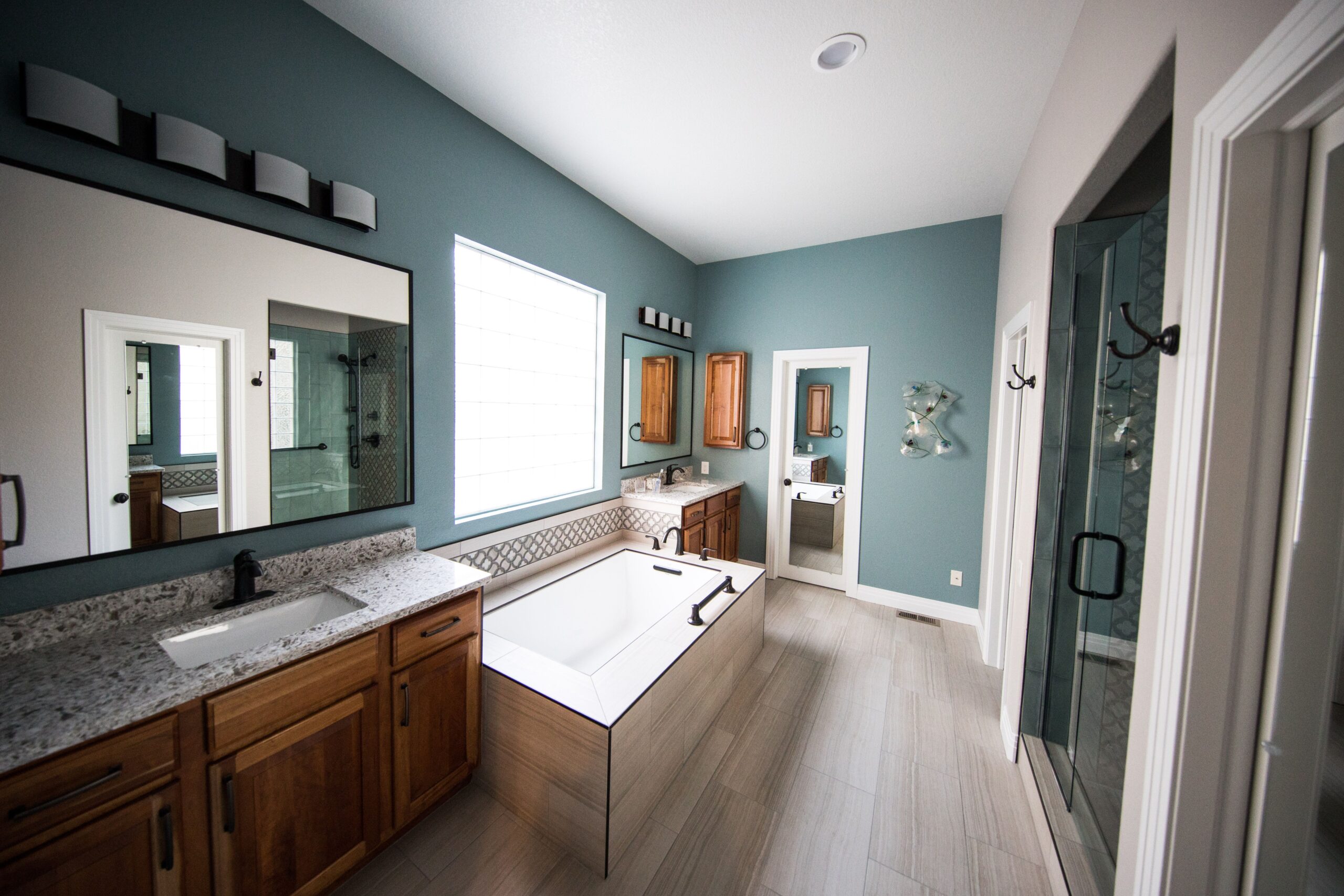
Your bathroom gets used every day, often by more than one person, and it has to handle moisture, storage, lighting, and traffic without falling apart. A remodel can make that space easier to live with and more valuable at the same time.
If you’re planning one, you need more than paint ideas and tile screenshots. You need a clear sense of budget, layout, materials, labor, and the decisions that quietly shape how the room performs.
Start With How You Actually Use the Space
Before you look at tile samples or faucet finishes, pay attention to your routine. A bathroom that looks polished online can still be annoying in real life if the layout fights your habits.
Think about how many people use the room, when traffic gets heavy, and where clutter builds up. If two people share the sink every morning, one tiny vanity can turn into a daily bottleneck. If you store towels, skincare, and cleaning supplies in the room, you’ll need more than a pretty mirror and good intentions.
Make a quick list of what frustrates you now:
– Not enough storage
– Poor lighting at the mirror
– Weak ventilation
– A shower that feels cramped
Set a Budget That Covers More Than the Obvious
Bathroom remodel budgets usually stretch beyond fixtures and tile. Labor, plumbing adjustments, waterproofing, permits, demolition, disposal, and finish work all add up fast.
A realistic budget should include:
- Materials
- Contractor labor
- Design fees if applicable
- Permit costs
- A contingency fund for surprises
That contingency matters. Once walls or flooring come up, contractors sometimes find water damage, mold, outdated wiring, or plumbing that belongs in a museum. Keeping 10 to 20 percent of your budget uncommitted gives you breathing room.
You should also decide where to save and where to invest. An experienced bathroom remodeling company can tell you which line items reward the extra spend and which ones don’t.
Stock vanities work well in many spaces, while waterproofing and ventilation should never be bargain-bin decisions. Fancy tile won’t help much if moisture starts causing trouble behind the scenes.
Keep the Layout Practical Unless Change Solves a Major Problem
Moving plumbing lines, drains, and electrical components can raise costs quickly. Keeping the toilet, sink, or shower in roughly the same place often makes the project more affordable.
That doesn’t mean your layout should stay frozen if it clearly isn’t working. A remodel is the right time to fix issues like:
– A door that blocks the vanity
– A shower that wastes floor space
– Poor spacing between fixtures
– No room for storage or towel access
Choose Materials That Can Handle Moisture and Daily Wear
Bathrooms are high-humidity spaces, and not every material handles steam, splashes, and cleaning products well. Looks matter, but performance deserves equal attention.
Porcelain tile is a popular choice for floors and walls because it’s durable and water-resistant. Quartz works well for countertops since it resists staining and needs less maintenance than some natural stone options. For cabinetry, moisture-resistant materials usually hold up better than lower-grade particleboard.
When comparing finishes, ask practical questions:
– Will water spots show easily?
– Does this surface need regular sealing?
– Is it slippery when wet?
– How hard is it to clean around edges and grout lines?
Ventilation and Lighting Matter More Than Most People Expect
A bathroom can look beautiful and still perform badly if air and light aren’t handled well. These two elements affect comfort, cleanliness, and maintenance more than many homeowners realize.
A solid exhaust fan helps control humidity, reducing the chance of peeling paint, mildew, and long-term moisture damage. If your current fan sounds like it’s preparing for takeoff but still leaves the mirror fogged for half an hour, it probably needs an upgrade.
Lighting should come from layers, not a single overhead fixture. A practical setup often includes:
– Ambient lighting for general visibility
– Task lighting around the vanity
– Accent lighting if you want added style
Natural light helps too, though privacy needs can limit window choices. Frosted glass or well-placed window treatments can solve that issue without turning the room into a cave.
Hiring the Right Team Can Save You Time, Money, and Stress
A bathroom remodel has many moving parts packed into a small footprint. Plumbing, tile work, waterproofing, electrical updates, cabinetry, and inspections all need to line up properly.
When hiring professionals, look beyond the sales pitch. Ask about:
– Licensing and insurance
– Experience with similar projects
– Project timeline
– Who manages subcontractors
– What happens if hidden damage is found
– How change orders are handled
Check portfolios carefully. You’re not just looking for attractive photos. Look for clean transitions, thoughtful layouts, and finishes that suggest precision rather than speed.
Plan for the Disruption Before Demo Starts
Even a relatively small bathroom remodel can disrupt your schedule in a big way. If it’s your only bathroom, planning becomes even more important.
Talk through the timeline before work begins and ask what stages may affect access to water, power, or the room itself. If materials are delayed, certain steps can stall. Tile, custom glass, and specialty fixtures sometimes extend schedules more than people expect.
You should also prepare your home:
– Clear nearby storage areas
– Protect floors along the work path
– Remove personal items early
– Set up a temporary routine if the bathroom will be out of service
Dust and noise are part of the package, even with good containment practices. A clean project site each day helps, but remodeling is still remodeling. It’s not exactly a silent retreat.
Think Long Term So the Remodel Ages Well
Trends can be fun, but bathrooms work best when they stay functional and visually solid for years. You want choices that still make sense after the excitement of demo day wears off.
That often means balancing personality with durability. A bold tile pattern may look great as an accent, while larger foundational elements like flooring, vanities, and major fixtures benefit from staying more timeless.
Long-term planning can include:
– Easy-to-clean surfaces
– Storage that fits future needs
– Curbless showers or wider access points
– Fixtures with available replacement parts
If resale matters, focus on broad usability and quality workmanship. Buyers usually notice practical upgrades such as better lighting, fresh waterproofing, and smart storage just as much as luxury finishes.
A successful remodel isn’t only about how the bathroom looks on reveal day. It’s about how well it works six months later, three years later, and during the thousand ordinary mornings in between.