
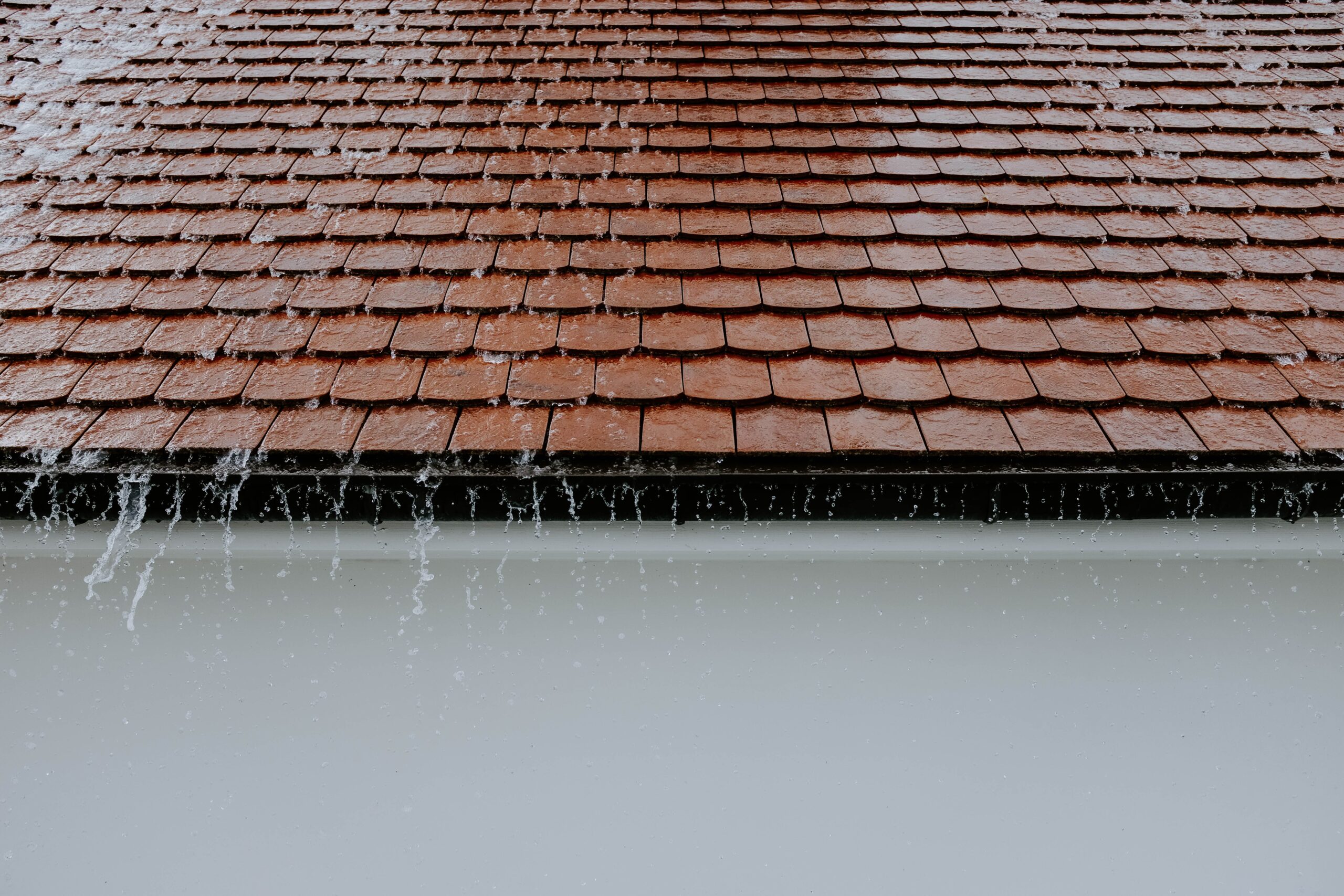
Storm season can turn your home into an easy target for pests. Heavy rain, flooding, wind damage, and power outages push insects and rodents to look for dry shelter, food, and warmth. If you live in a coastal or hurricane-prone area, that risk climbs fast. A smart plan helps you protect your space before the weather shifts, while also reducing the cleanup headaches that often show up after the skies clear.
Clean Up Outdoor Areas That Invite Trouble
Your yard plays a bigger role in pest control than many people realize. Before a storm, loose debris, overgrown plants, and clogged gutters can create perfect hiding spots. Add moisture, and you’ve basically rolled out a welcome mat.
Trim shrubs away from the house and cut back tree limbs that hang too close to the roof. Clear leaves from gutters and downspouts so water drains properly. Pick up piles of wood, yard waste, and unused pots where insects like to hide. Store trash in tightly sealed bins and avoid letting pet food sit outside.
This is also a good time to check drainage around the foundation. Water that pools near your home attracts mosquitoes and can weaken barriers that help keep pests out. If you’re reviewing pest prevention before and after a tropical storm, outdoor cleanup should sit near the top of your checklist.
Why Storms Trigger Pest Problems
When a tropical storm rolls in, pests don’t disappear. They relocate. Ants leave flooded nests, roaches search for dry cracks, and rodents take advantage of damaged vents, roof gaps, and open garage doors. Your home can look like prime real estate if water, crumbs, and clutter are easy to find.
You’re not just dealing with bugs that wander in by accident. Storm conditions actively reshape pest behavior. Standing water creates mosquito breeding zones. Saturated soil pushes termites closer to structures. Fallen branches can form bridges straight to your roofline. A storm changes the playing field fast, and pests are quick to exploit it.
That’s why preparation matters. You’re not only securing your home from wind and rain. You’re also making it less attractive to creatures that treat disaster like a housing opportunity.
Seal Entry Points Before the Weather Turns
One of the smartest moves you can make is to inspect your home’s outer shell. Tiny openings around pipes, windows, doors, and attic vents can become pest highways once the rain starts. Mice can squeeze through gaps smaller than you’d expect, which is a humbling reminder that nature does not care about your square footage.
Walk around your home and check for:
– Cracked weather stripping
– Gaps under exterior doors
– Torn window screens
– Openings around utility lines
– Loose siding or roof edges
– Damaged vent covers
Use caulk, steel wool, mesh, or weather-resistant sealant where needed. Focus on low areas where water may collect and upper areas where wind can loosen materials. If your garage is attached, give that door extra attention. A poorly sealed garage often becomes the first stop for roaches, spiders, and rodents looking for shelter.
Protect Food, Water, and Indoor Storage
Once a storm warning is issued, most people think about flashlights, bottled water, and batteries. Fair. You should also think about how pests respond to emergency supplies and routine disruptions. If power goes out, food can spoil quickly, trash can build up, and moisture levels indoors may rise.
Store pantry items in sealed containers when possible. Keep dry goods off the floor, especially in garages, laundry rooms, and lower cabinets. Fix leaky faucets and check under sinks for damp areas. Roaches and ants don’t need much to get comfortable.
A few practical steps help a lot:
– Wipe crumbs and spills right away
– Empty indoor trash regularly
– Use lids on pet food bins
– Keep paper goods dry and elevated
– Avoid cardboard storage in humid spaces
Plastic bins beat cardboard every time during storm season. Cardboard absorbs moisture, attracts silverfish, and gives roaches a place to settle in like they’re signing a lease.
Pay Attention Right After the Storm Passes
The hours after a storm matter just as much as the prep phase. Damage that seems minor can create major pest access. A missing shingle, soaked insulation, cracked screen, or flooded crawl space can invite trouble within a day or two.
Start with a careful inspection. Look for standing water, damaged seals, broken vents, and debris piled against the home. Check the attic, garage, and basement or crawl space if you have one. If water entered the house, dry the area as fast as possible. Mold and moisture-loving pests often show up together.
You should also watch for subtle signs:
– Droppings near walls or food storage
– Mud tubes along the foundation
– New scratching noises at night
– Insect activity around drains or windows
– Mosquitoes increasing near puddles
Fast cleanup limits your risk. Wet materials, spoiled food, and storm debris create a short-term mess that can become a long-term infestation if ignored.
Know When Professional Help Makes Sense
Some pest issues are manageable with prevention and quick maintenance. Others need a trained eye. If your home has storm damage, flooding, recurring pest activity, or a history of termite or rodent problems, getting professional support can save you money and stress.
An expert can spot vulnerabilities you might miss, especially around rooflines, insulation, crawl spaces, and drainage zones. They can also recommend treatment plans that match the season, local pest pressure, and the type of storm impact your property faced. That matters because mosquito control, rodent exclusion, and termite risk are not the same game.
If you live in a region where tropical systems are common, it helps to think beyond one storm. Build a repeatable routine. Inspect, seal, trim, clean, store, and reassess after every major weather event. A little discipline goes a long way when pests are looking for any opening.
Build a Storm-Season Routine You Can Actually Keep
The best pest prevention plan is one you’ll follow without turning it into a full-time job. Keep a seasonal checklist on your phone or near your emergency supplies. Break tasks into simple rounds: one before storm season, one when a storm is forecast, and one right after it passes.
Your routine can include:
– Monthly checks for leaks and cracks
– Yard cleanup before major weather systems
– Sealing food and supply storage
– Post-storm inspections within 24 hours
– Calling for help if you notice early signs of infestation
You don’t need a dramatic overhaul. You need consistency. Storms create enough chaos on their own. Keeping pests from joining the party makes recovery easier, cleaner, and far less irritating. When your home is sealed, dry, and well maintained, you’re giving pests a clear message: try the house down the street.