
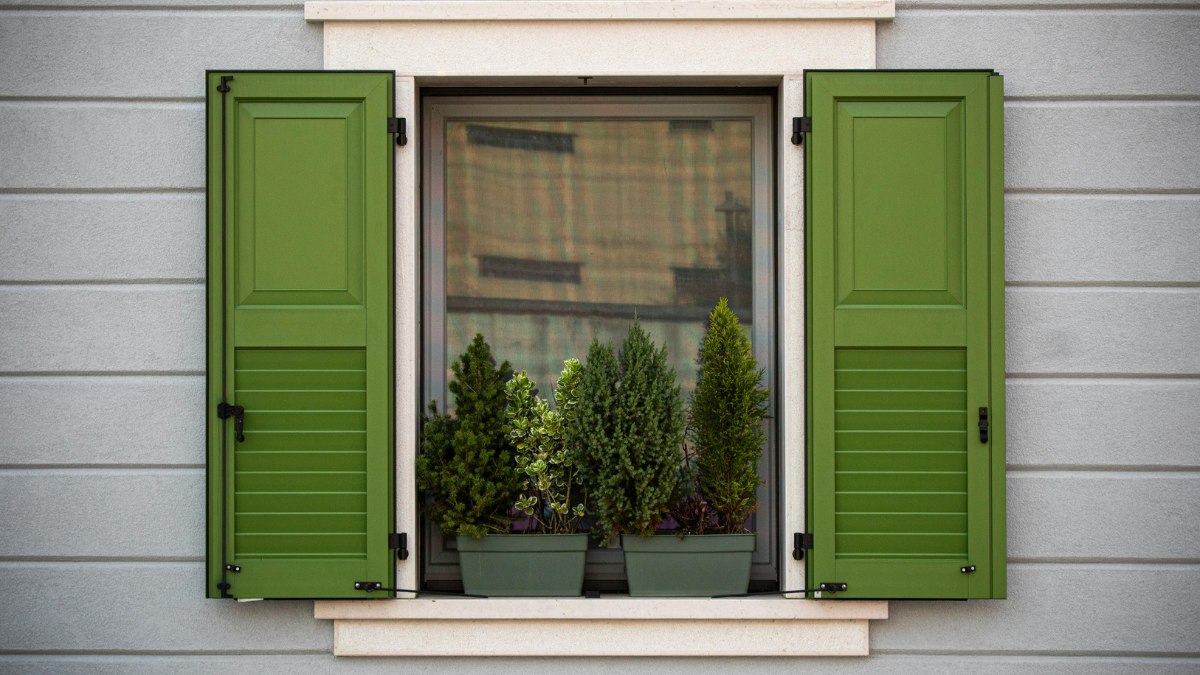
Some windows are easy to cover because they sit at a comfortable height in rooms with plenty of open space. Others present practical challenges because they are tall, positioned behind furniture, or located in areas where coverings need frequent adjustment. These conditions should influence product selection before color, finish, and decorative details are considered.
Plantation Shutters can provide structured light control in rooms where homeowners value straightforward operation and a lasting architectural appearance. Motorized Shades address a different challenge by allowing coverings to be adjusted without reaching the window directly. Understanding where each approach works best helps homeowners make choices based on actual daily use.
Shutters & Shades recognizes that accessibility can be just as important as appearance when selecting a window covering. A beautiful product may become frustrating if homeowners struggle to operate it several times each day. Looking closely at window height, furniture placement, room activity, and operating frequency can prevent those problems.
Start by Identifying Windows That Are Difficult to Reach
Hard-to-reach windows appear in many home layouts. They may sit above stairways, behind deep furniture, over kitchen counters, or high on walls in rooms with tall ceilings. Even standard windows can become difficult to access after furniture is arranged around them.
Homeowners should consider how often each covering will need adjustment. A high window that stays in one position most days presents a different challenge from one that must be opened and closed every morning and evening. Frequent operation makes convenient access much more important.
It also helps to consider future furniture changes. A window that is accessible in an empty room may become difficult to reach once a desk, sofa, or large table is placed nearby. Planning around the finished room provides a more accurate picture of daily use.
Consider Manual Control for Easily Accessible Windows
Manual operation remains practical when windows are easy to reach and homeowners do not need constant adjustments. Plantation Shutters allow users to change the position of louvers to manage light and privacy. Their operation can become a natural part of a normal household routine.
The surrounding area should provide enough room for comfortable use. Furniture, decorative objects, and other obstacles can affect how easily homeowners interact with the covering. Reviewing these details before installation helps avoid inconvenient arrangements later.
The visual effect also deserves consideration. Shutters add structure around the window and can become a noticeable architectural element in the room. Homeowners should decide whether that defined appearance fits the surrounding interior as well as their practical needs.
Think About How Often Adjustments Will Be Needed
Operating frequency can reveal whether a manual solution will remain convenient. Some homeowners change their coverings only once or twice each day, while others adjust them repeatedly as sunlight moves across a room. The second situation places greater importance on easy operation.
Consider typical weekday and weekend routines rather than imagining ideal use. If accessing a particular window already feels inconvenient, that difficulty may discourage regular adjustments. Choosing around real habits usually leads to better long-term satisfaction.
Use Automation Where Physical Access Is Limited
Tall or obstructed windows can make manual operation awkward. Reaching over furniture or using a step stool regularly is inconvenient and may discourage homeowners from adjusting coverings when lighting conditions change. Motorized Shades can remove the need to approach the window for routine operation.
Remote or compatible control options can be especially useful when several difficult windows need adjustment together. Instead of moving around the room and reaching each covering separately, homeowners can manage them more conveniently. Available operating features depend on the selected product and should be confirmed before purchase.
Shutters & Shades can help homeowners consider whether automation solves a genuine accessibility problem or simply adds a feature they may rarely use. This distinction matters because not every window requires the same level of operating convenience. Matching features to actual needs keeps the selection process practical.
Examine High-Use Rooms Differently From Quiet Spaces
Living rooms, kitchens, bedrooms, and home offices often require more frequent window adjustments than guest rooms or formal spaces. Household members may change light levels throughout the day as they work, relax, cook, watch television, or prepare for sleep. Products in these rooms should support repeated use comfortably.
A quiet room may allow homeowners to prioritize appearance because the covering remains in one position for long periods. High-use spaces require more attention to operation, durability, and accessibility. The difference becomes particularly noticeable in households with changing schedules.
Homeowners can track how often they currently adjust existing coverings before replacing them. This simple observation can reveal which windows truly need greater convenience. It can also prevent spending attention on features that provide little everyday value.
Account for Large Groups of Windows
Rooms with several windows can create another practical concern. Adjusting one covering manually may be simple, but repeating the process across many windows can become inconvenient. Large window groups therefore deserve separate consideration during planning.
The windows may also receive different amounts of sunlight depending on their direction. Homeowners might want some coverings open while others remain partially or fully closed. The selected operating method should allow the level of control the household actually expects to use.
Motorized Shades may suit situations where several coverings need regular adjustment, particularly if access varies from one window to another. Homeowners should discuss available control arrangements before deciding how the group will operate. Planning these details early can make everyday use more intuitive.
Consider Furniture Before Finalizing the Covering
Furniture placement can change how practical a window covering feels. A large sofa positioned beneath a window may limit direct access, while a desk or dining table can make frequent manual adjustments awkward. These conflicts are easier to address before installation than afterward.
Homeowners should review the room with major furniture in its expected position. Walk toward each window and consider whether normal operation requires stretching, leaning, or moving objects. Small inconveniences can become frustrating when repeated every day.
Plantation shutters in Tampa may work well where comfortable access remains available and homeowners appreciate direct control over the louvers. Other windows may benefit from an operating method that does not require approaching them. The decision should follow the physical layout rather than using one solution automatically throughout the room.
Match the Covering to Privacy Routines
Accessibility affects privacy as well as sunlight. Bedroom coverings may need adjustment every morning and evening, while street-facing living areas can require changes as outdoor visibility shifts. A difficult operating method may lead homeowners to leave coverings in one position simply because changing them is inconvenient.
Think about when privacy matters most in each room. Ground-level spaces may need more frequent adjustments than upper-floor rooms overlooking private areas. Evening routines can also differ significantly from daytime needs.
A covering that is convenient to operate makes it easier to respond to these changes. Homeowners can then choose the level of privacy appropriate for the moment rather than accepting one fixed position throughout the day.
Review Power and Control Needs Before Choosing Automation
Automated coverings require more planning than simply deciding that remote operation sounds convenient. Homeowners should understand the available power and control options for the specific product they are considering. Installation conditions can influence which arrangement is appropriate.
Control preferences should also be discussed early. Some households may want simple individual operation, while others may prefer compatible controls that manage several coverings. The available choices should be verified with the provider because features can differ among products.
Shutters & Shades can be part of this planning process by helping homeowners connect operating preferences with the physical conditions around each window. Discussing these details before final decisions reduces the chance of choosing features that do not fit normal household routines.
Avoid Adding Complexity Where It Is Not Needed
More features do not automatically create a better window covering. An easily reached guest room window that is rarely adjusted may not require the same operating system as a tall living room window. Treating every opening identically can add unnecessary complexity.
Homeowners should rank windows according to accessibility and frequency of use. The most challenging openings can receive the greatest attention, while simple locations can use straightforward solutions. This room-by-room approach keeps practical needs at the center of the project.
Maintenance should also be considered. Every product has care and operating requirements that homeowners should understand. Choosing features they are comfortable using and maintaining can support a better experience over time.
Make Everyday Operation Part of the Final Decision
The best window covering is not determined by appearance alone. Window height, furniture, room activity, privacy routines, and adjustment frequency all influence how convenient a product will feel after installation. Evaluating these factors helps homeowners distinguish between windows that need simple manual control and those where easier operation has greater value.
Hard-to-reach openings deserve particular attention because small access problems can become repeated frustrations. High-use rooms also benefit from coverings that fit naturally into everyday routines. Testing the proposed approach against normal household behavior can expose practical issues before choices are finalized.
A thoughtful selection should make controlling light and privacy feel straightforward rather than inconvenient. By matching operating methods to the physical layout and frequency of use, homeowners can create rooms that function comfortably throughout the day. Practical planning ensures window coverings remain useful long after their initial appearance is no longer new.