
A memorable night does not require a reservation at the newest restaurant, a crowded cocktail bar, or a complicated weekend getaway. Some of the most intimate evenings can happen a few feet from the kitchen, provided the space feels different from the one where bills get opened, dishes pile up, and people answer work messages. The challenge is not staying home. The challenge is making home stop feeling ordinary for a few hours.
The “VIP booth” mindset offers a useful way to approach that challenge. A reserved booth in a good restaurant feels special because somebody has deliberately shaped the experience around a small group of people. The seating creates separation. Lighting narrows attention. Music adds energy without becoming the main event. Drinks arrive in specific glasses. Small details suggest that the evening has a beginning, a rhythm, and a reason for existing.
None of those elements belong exclusively to restaurants. They can be recreated at home without expensive furniture, a professional sound system, or a five-course meal. The goal is not to impersonate a luxury venue. It is to borrow the parts of hospitality that make people feel noticed.
That distinction matters. An elaborate home dinner can become another project, complete with shopping lists, cleaning stress, complicated recipes, and unrealistic expectations. An intimate evening should move in the opposite direction. It should reduce distractions and make the two people involved feel as though nothing outside their small corner of the world requires immediate attention.
The best place to begin is not with food. It is with the transition from an ordinary day into a deliberately different evening.
1. The Night Starts Before Anyone Sits Down
Anticipation changes how people experience an event. A Tuesday dinner eaten at 7:00 because everyone happens to be hungry feels different from a dinner planned for 7:30 with the understanding that the evening belongs to the two people sharing it. The menu might be identical, but the mental context is not.
Setting a start time creates that separation. It does not need to become a formal invitation unless formality is part of the fun. A simple message earlier in the day can do the job: dinner at 7:30, drinks first, no phones. The message signals that tonight is not just another meal squeezed between responsibilities.
Preparation should also create a physical transition. Work laptops should disappear rather than remain closed on the dining table. Mail can move to another room. Laundry baskets, school supplies, chargers, and half-finished household tasks should leave the immediate area. Nobody needs to deep-clean an entire home. The objective is simply to remove the visual reminders most likely to drag attention back toward normal responsibilities.
Clothing can contribute to the change without turning the evening into a costume party. Changing out of work clothes or the old T-shirt worn around the house sends a useful signal to the brain: one part of the day has ended. Some couples may enjoy dressing as though they are going somewhere expensive. Others may prefer clean jeans, a good shirt, or comfortable clothes they would choose for a casual date. The specific outfit matters less than making a conscious choice.
Phones deserve special treatment because they can destroy the illusion faster than almost anything else. Putting a phone face down beside a plate still leaves it psychologically present. Every vibration competes with the person across the table. If possible, leave phones in another room, place them in a drawer, or agree that they will only come out for music, photographs, or an actual emergency.
The same principle applies to television. A television running silently in the background still attracts the eye. News tickers, sports scores, streaming menus, and autoplay previews all compete for attention. Unless the evening is intentionally built around watching something together, turn the screen off completely.
A playful invitation can make the transition stronger. One person might text a fake reservation confirmation, write the evening’s start time on a small card, or leave a note that says the booth has been reserved. The joke works because both people understand that the house has temporarily been recast as somewhere else.
That sense of anticipation is the first luxury. It tells both people that the evening deserves more attention than an ordinary night.
2. Build One Private Zone Instead of Decorating the Entire House
Creating an atmosphere becomes much easier when the goal is one small area rather than an entire home. Restaurants use this principle constantly. A booth can feel private even when dozens of other guests sit only a few yards away because the seating, lighting, and orientation create a psychological boundary.
The same idea works in a living room, dining room, kitchen, patio, or balcony. Choose one location and treat it as the center of the evening.
A dining table does not automatically have to be the obvious choice. A small coffee table with floor cushions may feel more intimate. Two armchairs pulled toward each other can work for drinks. A kitchen island can become a tasting counter. A balcony may provide enough separation from normal indoor routines to make a simple dinner feel completely different.
Distance matters when arranging the seating. Large tables can make two people feel strangely far apart, particularly if they sit at opposite ends. Moving chairs closer changes the tone immediately. Sitting at adjacent sides of a table rather than directly opposite each other can also feel less like an interview and more like sharing the same private space.
Restaurants understand this instinctively. Many restaurant tables are designed around compact social distances because conversation becomes easier when nobody needs to project across a large surface. At home, there is no rule saying dining furniture must remain in its standard arrangement for the evening.
Visual boundaries help define the chosen area. A tablecloth can create one. So can a rug, a serving tray, two candles, a vase, or a cluster of cushions. The objective is not decoration for its own sake. Each item should strengthen the sense that this small area has temporarily become a destination.
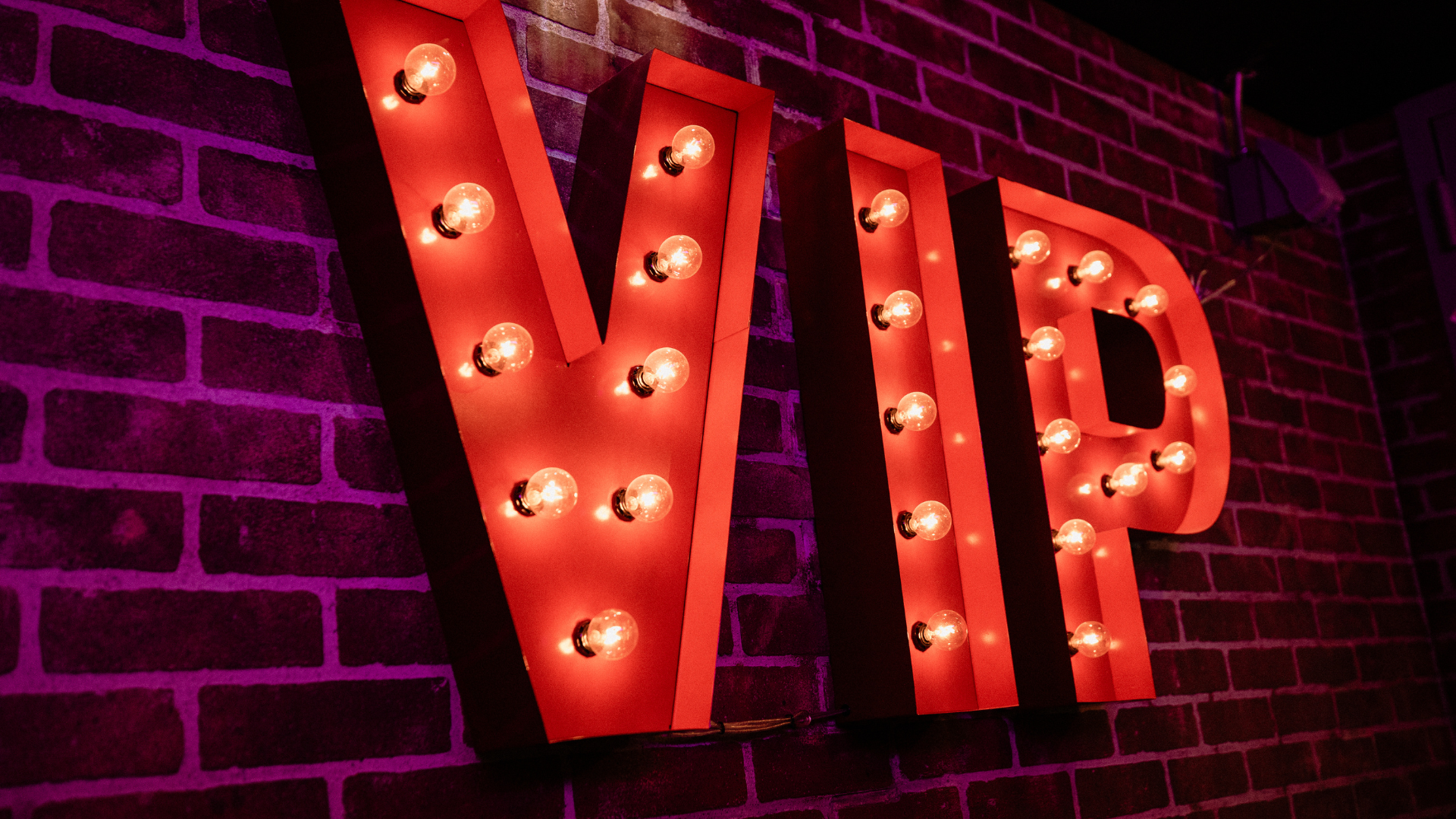
A playful VIP sign can work particularly well because it acknowledges the theatrical nature of the evening. The sign does not need to look professional. A handwritten “Reserved,” “Private Booth,” or personalized name card may be more charming precisely because it is homemade. Couples who enjoy humor can make the sign deliberately excessive, as though security might appear at any moment to remove unauthorized guests.
Personal objects can make the setup feel less generic. A photograph from a favorite trip, a souvenir, a bottle saved from an anniversary, or a small object connected to an inside joke can become part of the table. These details communicate history rather than style.
Avoid filling every available surface. Too many candles, flowers, signs, plates, and decorations can make the area feel like a themed event rather than a relaxed evening. One or two unusual elements often create more impact because people actually notice them.
Comfort deserves equal attention. A beautiful chair that becomes uncomfortable after twenty minutes will shorten the dinner. Add a cushion if necessary. Move seating away from a draft. Check that nobody is staring directly into a bright lamp. Put drinks within easy reach.
The best private zone feels effortless once the evening starts, even though somebody made several deliberate decisions beforehand.
3. Edit the Room Through Light, Sound, Scent, and Temperature
The atmosphere often comes from subtraction rather than decoration. Removing harsh light, intrusive sounds, clutter, and uncomfortable temperatures can change a room faster than buying anything new.
Lighting produces the most immediate shift. Overhead ceiling lights usually serve practical tasks. They help people cook, clean, read labels, and find dropped objects. Those qualities also make them poor tools for intimacy. Bright light exposes the entire room equally, leaving nowhere for the eye to rest.
Lower light directs attention. Lamps placed below eye level, candles on a table, dimmable fixtures, and indirect light reflected from walls create smaller visual zones. The human face also tends to look softer under warm, indirect light than under a strong ceiling fixture.
Complete darkness is not the goal. People should still be able to see their food, pour drinks, and read each other’s expressions. Two or three modest light sources usually work better than a room filled with candles.
The color of the light matters as well. Warm light generally resembles the atmosphere of restaurants, hotel lounges, and homes in the evening. Cool white lighting tends to resemble offices, kitchens during food preparation, and retail spaces. Switching off one cool bulb may change the mood more than adding several decorative objects.
Music should support the conversation instead of competing with it. The easiest mistake is choosing music based on personal enthusiasm rather than its role in the room. A favorite song played loudly can quickly become the center of attention, which may be perfect later in the evening but distracting during dinner.
A planned playlist can give the night a subtle structure. Start with relaxed music during drinks or preparation. Move toward slightly more energetic songs during dinner. Shift toward slower music later. These transitions do not need to be dramatic. Most people should barely notice that they are happening.
Shared memories make a playlist more personal. Songs from an early date, a road trip, a wedding, a vacation, or the first apartment lived in together create emotional shortcuts. A three-minute song can bring back years of context without anyone having to explain why.
Silence also deserves a place in the evening. Music does not need to fill every second. If a conversation becomes interesting, nobody should feel obligated to keep adjusting the playlist. The soundtrack serves the people in the room, not the other way around.
Scent requires more restraint. Strong candles, perfume diffusers, incense, and food aromas can collide. If dinner has a distinctive smell, let the food lead. A light citrus scent before dinner or fresh herbs on the table may be enough. Unscented candles are often safer once food appears.
Temperature is less glamorous but equally important. A room that is too hot makes people restless. A cold room sends everyone searching for sweaters. Adjust heating, air conditioning, or ventilation before sitting down. Once dinner starts, nobody should need to manage the room.
Curtains and blinds can create another layer of separation. Closing them after dark removes passing cars, neighboring windows, streetlights, and movement outside. An ordinary room begins to feel contained.
The goal is sensory editing. Keep what supports the evening and mute what interrupts it.
4. Food and Drinks Should Feel Special Without Turning Into Work
An intimate evening can collapse quickly when one person spends most of it cooking while the other waits. A complicated menu may sound romantic during planning and feel exhausting during execution.
Choose food that fits the purpose of the night. If cooking together is the activity, a hands-on recipe makes sense. Homemade pizza, pasta, tacos, dumplings, or a shared tasting board can turn preparation into part of the date. If conversation is the priority, prepare most of the food beforehand or order from a favorite restaurant.
Takeout does not make an evening less special. Eating directly from delivery containers might, particularly if the goal is to make the night feel different. Transfer the food to plates or serving dishes. Put sauces into small bowls. Bring everything to the table at once when practical rather than repeatedly getting up.
Presentation can elevate simple food. A burger and fries served carefully can feel more deliberate than an elaborate dish dumped hurriedly onto a plate. Dessert might be nothing more than good ice cream, fruit, chocolate, or pastries bought earlier in the day.
Drinks offer an easy opportunity for small rituals. A cocktail, mocktail, sparkling water, wine, tea, or homemade lemonade becomes more interesting when served in a glass chosen specifically for it. Ice, citrus, herbs, or fruit can create visual interest with little effort.
Fancy straws are another intentionally playful detail. They work particularly well for birthday dinners, nostalgic themes, summer drinks, or evenings that should feel slightly silly rather than sophisticated. The point is not the straw itself. The point is demonstrating that somebody thought about the drink before placing it on the table.
A signature drink can make the evening feel even more personal. Give it a name connected to an inside joke, a vacation, a neighborhood, or a shared story. The recipe does not need to be original. Renaming a familiar cocktail can be enough.
Menus can create the same effect. A handwritten card listing three courses turns ordinary dishes into something more deliberate. “Garlic bread, pasta, chocolate cake” suddenly feels like a sequence rather than whatever happened to be available in the kitchen.
Food tied to memories can carry more emotional weight than expensive ingredients. Recreating something eaten on an early date, cooking a dish associated with a favorite destination, or serving a snack that one partner loved as a child can prompt stories that would not otherwise come up.
Portion size also matters. Heavy meals can make the evening end earlier than planned. Smaller courses, shared plates, or lighter food often support a longer night because dinner becomes part of the experience rather than its final event.
Cleanup can wait within reason. Nobody needs to leave a kitchen disaster overnight, but immediately stacking dishes, wiping counters, loading the dishwasher, and taking out trash can break the mood. Clear the most distracting items and deal with the rest later.
Hospitality works partly because guests are allowed to remain inside the experience. At home, both people should receive some version of that privilege.
5. Personalized Details Create More Luxury Than Expensive Purchases
Luxury is often confused with price when attention is the more valuable ingredient. A detail that could only have been chosen for one specific person creates a stronger response than a generic expensive object.
A handwritten note is one of the simplest examples. It does not need to become a formal love letter. A few lines about a shared memory, a recent moment, or something appreciated about the other person can change the emotional tone of the evening.
Inside jokes work for the same reason. A ridiculous table sign, a fake club membership card, a made-up cocktail, or an intentionally dramatic dress code creates a private language. Nobody outside the relationship needs to understand why it is funny.
Small surprises also work better when they connect to something specific. Someone who loves a particular candy might find it beside the dessert plate. Someone obsessed with an old movie might hear a song from its soundtrack. Someone who once mentioned missing a childhood snack might unexpectedly see it served as a final course.
Photographs can be used sparingly. Instead of covering the table with years of memories, choose one picture connected to a story. The image can become a conversation starter rather than decoration.
Questions can also deepen the evening without turning it into a relationship exercise. Ask about things everyday routines rarely leave space for: Which trip would you repeat exactly as it happened? What did you misunderstand about me when we first met? What would you do with an entire month free? Which ordinary moment from the past year would you keep?
Good questions are invitations, not tests. The purpose is not to extract profound answers. It is to make room for conversations that do not revolve around schedules, household logistics, children, work, bills, or tomorrow’s obligations.
Shared activities can play the same role. A card game, old photo album, vinyl record, dessert tasting, puzzle, or short walk after dinner can prevent the evening from becoming nothing more than eating at home.
Avoid overprogramming the night. A minute-by-minute itinerary creates pressure. Two or three intentional moments are enough: drinks, dinner, and something afterward.
The evening should also reflect the personalities involved. Not every couple wants candles and jazz. One pair may prefer burgers, neon lighting, hip-hop, and a competitive game. Another may want blankets on the floor, wine, and old records. A third may enjoy dressing formally for an intentionally ridiculous dinner in their kitchen.
Intimacy comes from specificity. A night designed around the people attending it will usually feel more special than one copied from somebody else’s idea of romance.
6. The Real VIP Treatment Is Uninterrupted Time
The final part of the VIP booth mindset has little to do with furniture. The real luxury is the feeling that nobody needs to leave, hurry, perform, or compete with the rest of the world for attention.
Restaurants create artificial boundaries around time. You arrive. You sit. Someone brings a drink. Courses follow. For an hour or two, ordinary responsibilities are suspended. A good evening at home can create the same psychological boundary without a host, waiter, reservation system, or bill at the end.
Let dinner take longer than usual. Pause between courses. Finish the conversation before getting dessert. Resist the urge to check the time every few minutes.
Moving to another part of the home after dinner can create the sense of a second destination. Dessert might move to the balcony. Drinks might shift to the couch. Coffee might happen beside an open window. The change in location provides a natural transition without requiring anyone to travel.
A short walk can serve the same purpose. Leaving the house for twenty minutes after dinner and returning to the prepared space gives the evening another chapter. It also removes the temptation to begin cleaning immediately.
Parents may find this kind of home date particularly useful because leaving the house can require childcare, transportation, reservations, and coordination. A child-free window at home can still feel significant if the environment changes enough to stop everyone from defaulting to separate screens or household tasks.
The concept also works beyond romantic relationships. Close friends can create a private dinner night. Siblings can turn an ordinary visit into something memorable. A birthday for two people can feel more personal than a large gathering. The VIP booth idea is ultimately about attention rather than romance alone.
Repeating the ritual can make it stronger. A monthly home reservation creates something to anticipate without requiring a major expense. The details can change each time. One month might revolve around a favorite city. Another might recreate a first date. Another may involve food from a country neither person has visited.
Traditions often begin as small experiments. A silly handwritten VIP sign may appear once and then become something that comes out every anniversary. A named cocktail might return every summer. A playlist can accumulate songs across several years.
Perfection would undermine the point. Food may arrive late. A candle may refuse to stay lit. Someone may spill a drink. The playlist may suddenly produce a wildly inappropriate song. These moments often become the stories people remember.
What matters is the decision to treat ordinary time differently.
Homes naturally collect routines. People eat in the same places, sit on the same sides of the couch, reach for the same devices, and repeat familiar conversations. That predictability is useful most of the time, but intimacy benefits from occasional disruption.
The VIP booth mindset provides that disruption without requiring much money or space. Dim the lights. Move two chairs closer. Choose the music. Serve one thing differently. Add one detail that only the other person would understand. Put the phones somewhere else.
Then allow the evening to move slowly.
Exclusivity does not always mean getting past a velvet rope. Sometimes it means creating a small corner of the world where, for a few hours, only two names are on the guest list.