
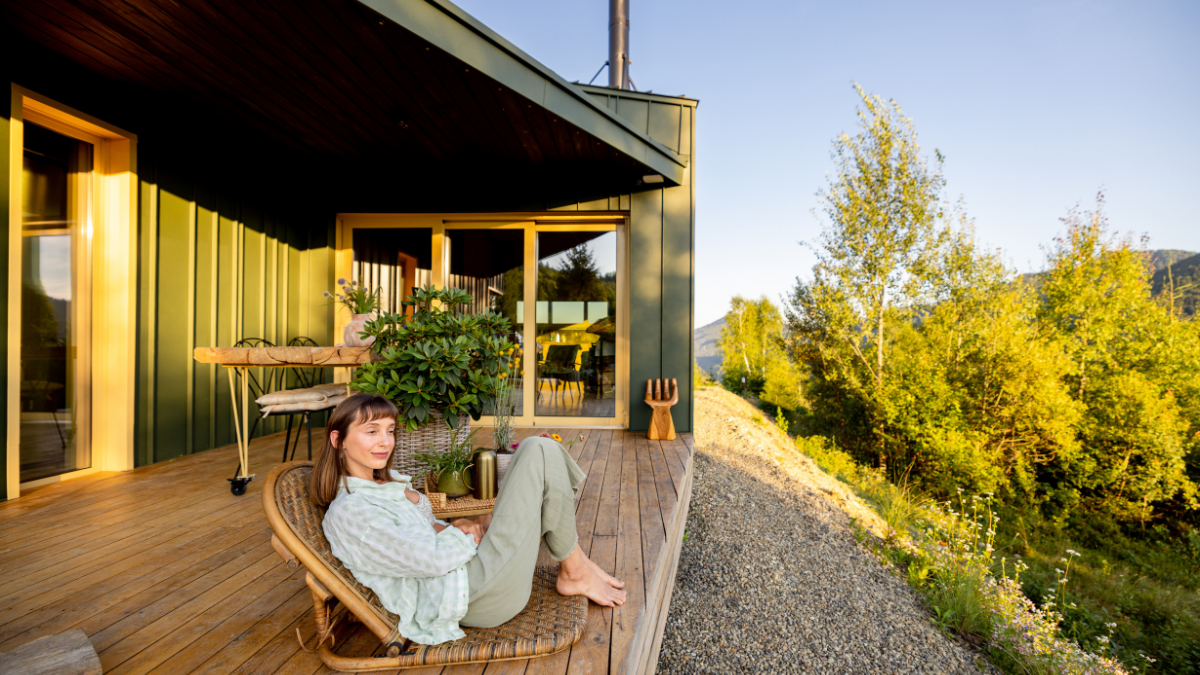
Creative trips offer something different from ordinary vacations. Instead of filling every day with sightseeing, travelers may want uninterrupted hours for writing, sketching, photography, design, music, or another personal project. Vacation Rentals can support this kind of retreat by providing a consistent environment where ideas can develop without the interruptions that often accompany everyday routines at home.
A productive creative retreat does not require working continuously from morning until night. Inspiration often benefits from alternating focused sessions with walks, meals, observation, conversation, and genuine rest. The challenge is creating enough structure to make progress while preserving the freedom that makes traveling somewhere new creatively valuable.
Stay Portland can provide a comfortable base for travelers who want their surroundings to contribute to a personal project without dominating it. Planning the retreat around realistic goals, suitable working conditions, and restorative breaks can help creative time feel purposeful. The result can be both productive and refreshing rather than another demanding deadline in unfamiliar surroundings.
Define One Clear Purpose for the Retreat
Creative ambition can become counterproductive when travelers arrive with too many unrelated goals. Someone planning to draft a manuscript, organize photographs, begin a sketchbook, and complete several unfinished projects may spend more time choosing tasks than creating.
A stronger approach begins with one primary objective. Secondary activities can remain available, but they should not compete constantly for attention.
The objective should also be realistic for the available time. A focused milestone provides direction without turning the entire retreat into a test of productivity.
Choose a Workspace That Fits the Project
Different creative activities require different physical conditions. Writing may need little more than a supportive chair and practical table, while drawing, crafting, or organizing photographs could require additional surface area.
Travelers should consider lighting, outlets, storage, and the amount of equipment they expect to use. A visually attractive desk may become frustrating if it cannot comfortably support the actual work.
The workspace should also allow materials to remain reasonably organized. Repeatedly packing everything away can interrupt momentum and consume time that could otherwise support the project.
Establish a Simple Creative Routine
Waiting for inspiration to appear can leave entire mornings unused. A loose routine gives creative work a predictable place within each day without requiring a rigid professional schedule.
Vacation Rentals can make this rhythm easier because travelers can establish consistent areas for working, resting, and organizing materials. Beginning at approximately the same time each day can reduce the mental effort required to start.
The routine should remain flexible enough for travel. If an unexpected idea or worthwhile outing appears, the schedule can shift without making the day feel unsuccessful.
Protect the Most Productive Hours
Most people have periods when concentration feels easier. Some think clearly early in the morning, while others become more creative during quiet afternoons or evenings.
Match Difficult Work With Strong Energy
Travelers can reserve their best hours for demanding tasks such as drafting, editing, composing, or detailed visual work. Administrative tasks can occupy periods when concentration naturally declines.
Protecting these hours may require declining unnecessary plans. A retreat becomes more productive when creative priorities receive the same respect that travelers would give a scheduled appointment.
Bring Necessary Materials Without Overpacking
Creative travelers can easily overestimate how much equipment they will use. Extra notebooks, lenses, art supplies, reference books, electronics, and accessories add weight while creating more organizational work.
Packing should reflect the primary project rather than every possible creative impulse. A smaller collection of dependable tools can make decisions easier once work begins.
Essential chargers, adapters, storage devices, and specialized supplies deserve extra attention. Replacing a forgotten technical item may consume valuable time that was intended for creative work.
Separate Creating From Editing
Trying to produce and evaluate work simultaneously can slow progress. Writers may revise every sentence immediately, while artists can become preoccupied with judging early experiments before ideas have developed.
A retreat offers an opportunity to separate these stages. Travelers can use one session for generating material and another for reviewing what was created.
Stay Portland can provide a steady environment for this repeated process. Separating creation from evaluation allows ideas to develop more freely while still giving refinement an intentional place in the schedule.
Use Walks as Creative Transitions
Walking can provide a useful bridge between focused work and rest. Leaving the workspace briefly changes visual surroundings and gives the mind time to process unresolved ideas.
These walks do not need elaborate destinations. A nearby street, park, café, or neighborhood route can provide enough change to refresh attention.
Travelers may want a simple way to capture thoughts that appear while away. A phone note or small notebook prevents useful observations from disappearing before the next work session.
Let the Destination Influence the Project Naturally
Traveling somewhere new can introduce unfamiliar architecture, colors, sounds, conversations, landscapes, and routines. These details may influence creative work even when the project was started long before the trip.
Travelers should avoid forcing every local experience into the project. Inspiration is often more convincing when it emerges naturally from observation.
Keeping informal notes, photographs, or sketches can preserve interesting details for later. Not every observation needs immediate use to become valuable.
Create Boundaries Around Digital Distractions
Creative work can disappear quickly into email, social media, news, and unrelated browsing. Traveling does not automatically remove these familiar distractions.
Focused sessions can benefit from temporarily silencing notifications or closing unnecessary applications. Internet access remains available when research or communication genuinely requires it.
Simple boundaries work better than unrealistic restrictions. The goal is protecting concentration during selected periods rather than avoiding technology throughout the entire retreat.
Build Rest Into the Creative Process
Rest is not wasted time during a creative retreat. Sustained concentration becomes harder when travelers treat every open hour as another opportunity to produce something.
Meals, reading, naps, conversation, and unstructured exploration can restore attention. These pauses may also allow ideas to develop without deliberate effort.
A balanced retreat recognizes that creativity has limits. Finishing a strong session and stopping deliberately can be more useful than continuing until the work becomes unfocused.
Record Progress Before Each Day Ends
Creative projects can feel vague when progress is difficult to measure. A brief end-of-day record helps travelers see what actually moved forward.
Writers might note pages drafted, while photographers could record images organized or locations explored. Artists and other creators can document completed stages or questions to address next.
This practice also makes restarting easier the following day. A short note about the next task removes some uncertainty from the beginning of the next session.
Leave Space for Unexpected Inspiration
A retreat should provide direction without eliminating spontaneity. Travelers may discover a location, idea, conversation, or perspective that deserves more attention than originally planned.
Vacation Rentals can provide the stable foundation that makes these changes easier to accommodate. Because the workspace and materials remain organized, travelers can explore an unexpected idea and return without rebuilding their routine.
Stay Portland can support this balance between creative structure and personal freedom. When travelers establish clear goals, protect focused hours, organize their tools, and allow meaningful breaks, a creative retreat can produce tangible progress while still offering the renewal that comes from temporarily working somewhere different.