
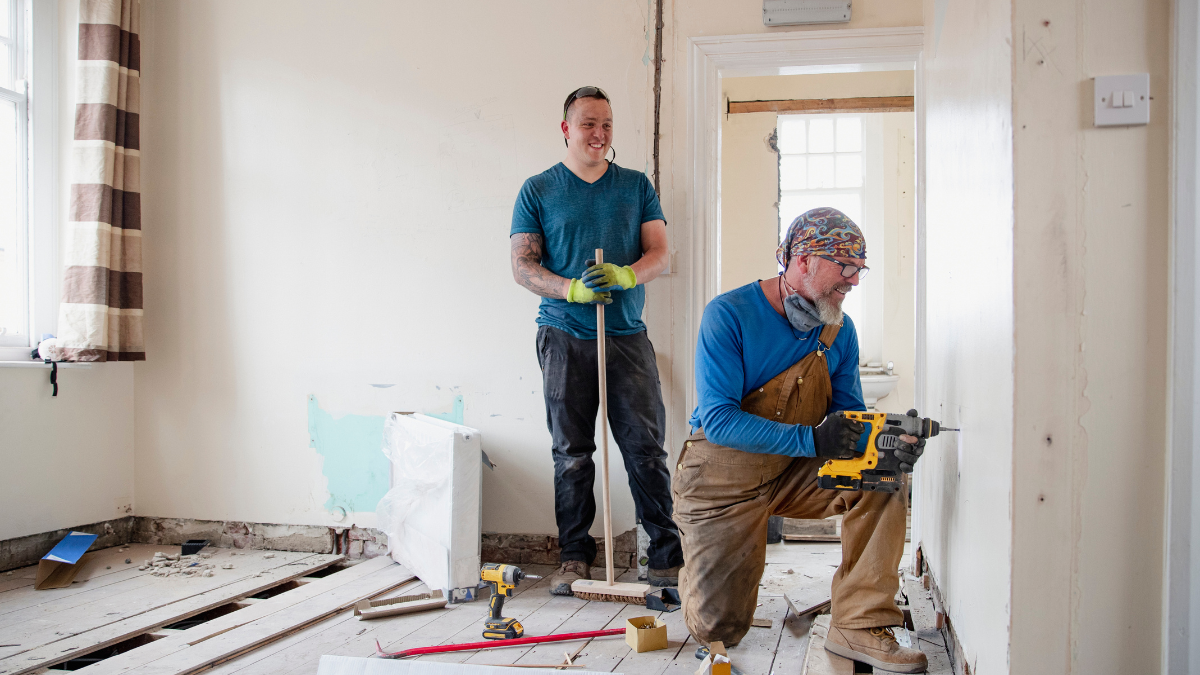
Finishing construction or renovation work does not automatically mean a home is ready for normal use. Cutting, sanding, drilling, painting, and installing materials can leave fine dust and residue across surfaces far beyond the immediate work area. Even rooms that appear clean from a doorway may still have particles on trim, fixtures, floors, and other overlooked areas.
Post Construction Cleaning focuses on removing the remaining effects of building work so the finished space can be used comfortably. The process is different from routine housekeeping because construction dust can settle repeatedly and debris may remain in corners, cabinets, tracks, or other difficult areas. A planned approach also helps prevent newly installed finishes from being damaged during cleanup.
The most effective cleaning sequence usually moves from larger debris toward increasingly detailed surface work. Homeowners considering Bundl Home Cleaning & Maintenance can begin by identifying which rooms were affected, what materials were installed, and where contractors performed the dustiest tasks. Understanding those conditions makes it easier to determine which areas need the most attention.
Begin With a Careful Inspection of the Finished Work Area
Cleaning should begin only after active construction tasks have ended and tools or building materials no longer block access. Walking through the space first helps identify leftover packaging, protective coverings, adhesive residue, dust accumulation, and small pieces of construction material. This inspection also reveals delicate new surfaces that require careful handling.
Look beyond the obvious work zone during the inspection. Dust can travel through open doors and settle on shelves, window ledges, furniture, and fixtures in nearby rooms. Hallways used by workers may also contain tracked dirt or fine debris even when no construction occurred there.
It is useful to separate cleaning concerns from unfinished construction issues. Paint defects, damaged flooring, incomplete caulking, or loose hardware should be documented rather than treated as dirt. This distinction prevents cleaning efforts from hiding problems that may still require attention from the appropriate contractor.
Remove Loose Debris Before Detailed Surface Cleaning
Large and loose materials should be addressed before anyone begins wiping fine surfaces. Cardboard, plastic coverings, tape, unused material pieces, and other construction remnants can obstruct floors and make detailed cleaning inefficient. Removing them also creates safer access to baseboards, corners, cabinets, and fixtures.
Post Construction Cleaning works more effectively when tasks follow a logical order. Starting with detailed floor cleaning while dusty shelves and trim remain untouched often means the floor must be cleaned again later. Working generally from higher surfaces toward lower ones helps reduce unnecessary repetition.
Bundl Home Cleaning & Maintenance can be considered when homeowners want to organize cleanup after contractors have completed their work. Before cleaning begins, the homeowner should confirm which materials can be discarded and which belong to the contractor or project. That simple check can prevent useful spare tiles, hardware, paint, or replacement pieces from being removed accidentally.
Fine Construction Dust Requires More Than a Quick Wipe
Fine dust is one of the most persistent results of renovation work. It can collect on door frames, molding, cabinet tops, light fixtures, shelves, and horizontal edges that are easy to overlook. When disturbed, some settled particles can move again and land on surfaces that were already cleaned.
A careful first pass should focus on collecting dust rather than spreading it. Cleaning tools and methods need to suit the surface being addressed, especially around freshly painted walls, finished wood, glass, or delicate fixtures. Using excessive moisture or aggressive scrubbing can create new marks on recently completed materials.
Repeated inspection is useful because fine particles become easier to notice after the heavier accumulation is removed. Natural light can reveal dusty edges and streaks that are difficult to see under some indoor lighting. Checking surfaces from different angles can therefore improve the final result.
Windows, Frames, and Tracks Often Need Detailed Attention
Construction work around windows can leave dust in tracks, residue on glass, and particles along frames or sills. These areas contain narrow corners where ordinary wiping may not reach effectively. New windows and nearby trim also need methods that do not scratch surfaces or disturb fresh finishes.
Labels or protective films may still be present after installation. They should be handled according to the requirements of the material rather than removed aggressively with sharp tools. Adhesive residue may need a suitable cleaning approach that will not affect glass coatings, frames, or painted surfaces.
Window tracks deserve particular attention before normal operation resumes. Loose debris can interfere with smooth movement or simply become harder to remove after repeated opening and closing. Cleaning these narrow areas during the broader project cleanup prevents them from being forgotten.
Kitchens and Bathrooms Need a Different Level of Detail
Kitchens contain numerous surfaces where construction residue can hide. Cabinet interiors, drawer edges, countertops, backsplash joints, appliance surroundings, and hardware should all be checked before food or household items are returned. Newly installed materials may also have specific care requirements that should guide cleaning methods.
Bathrooms present similar challenges around fixtures, tile edges, mirrors, vanities, and storage spaces. Dust can settle inside empty cabinets even when the doors remained closed during construction. Residue around plumbing fixtures or newly finished surfaces should be approached carefully rather than scrubbed automatically.
These rooms are especially important because they return to frequent use quickly. A detailed inspection before restocking reduces the chance of discovering construction dust after toiletries, dishes, or food have already been placed inside cabinets. Cleaning empty storage spaces is also considerably easier.
Floors Should Be Cleaned After Higher Surfaces Are Addressed
Floors collect much of what falls during the earlier stages of cleanup. Dust from shelves, trim, fixtures, and cabinets eventually reaches the lowest surfaces, which is why detailed floor care belongs later in the sequence. Cleaning too early creates unnecessary repeat work.
Flooring material determines the appropriate method. Newly installed wood, tile, resilient flooring, and other surfaces can have different care requirements, so one cleaning product should not automatically be used everywhere. Paint spots or adhesive marks also require caution because aggressive scraping can damage a new finish.
Homeowners using Bundl Home Cleaning & Maintenance can identify recently installed flooring and any care information supplied during the project. Sharing those details before cleanup helps distinguish ordinary dust removal from areas requiring material-specific treatment. New surfaces deserve protection while the remaining construction residue is removed.
High-Touch Areas Can Be Missed During a Large Cleanup
A construction project brings repeated contact with door handles, switches, cabinet pulls, railings, and other frequently touched surfaces. These small areas may collect dust, fingerprints, or residue even though they occupy little visual space. Their condition becomes noticeable once the larger room is clean.
Doors and trim should receive similar attention. The tops of door frames can hold significant dust, while hinges and edges may contain particles from sanding or drilling nearby. Looking at these details helps the finished room feel consistently clean rather than only clean across its largest surfaces.
Post Construction Cleaning should also include a final check of corners and transition areas between rooms. Thresholds, baseboards, closet edges, and spaces behind doors are easy to miss during broad cleaning passes. A systematic walkthrough helps catch these remaining details before furniture and belongings return.
A Final Inspection Helps Prepare the Home for Normal Use
The last stage should focus on checking the completed space rather than immediately putting everything back. Open cabinets, examine window ledges, look along baseboards, and inspect floors under changing light. Areas that still show fine residue can then receive focused attention without repeating the entire cleaning process.
A newly finished home deserves cleanup that respects the work already completed. Removing debris, controlling fine dust, protecting new materials, and cleaning in a sensible order all contribute to a smoother transition from construction site to living space. Detailed work matters because the smallest remaining traces often become the most noticeable once tools and materials are gone.
Careful cleanup also gives homeowners an opportunity to see the finished project clearly. With dust and residue removed, construction defects can be distinguished from cleaning concerns and rooms can be prepared for furniture, storage, and everyday activity. A methodical final inspection helps ensure the space is genuinely ready to return to normal use.