
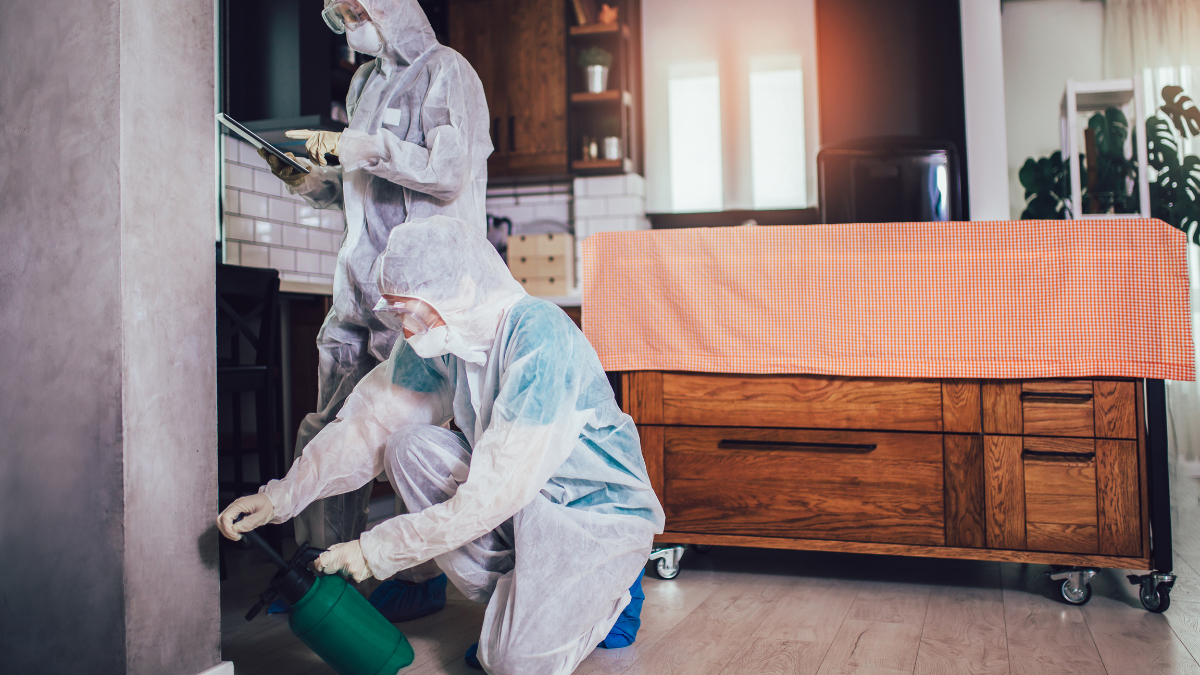
Home renovations change more than the appearance of a property. Removing cabinets, opening walls, replacing flooring, or updating plumbing can expose spaces that have remained hidden for years. These temporary openings may reveal pest activity that was previously concealed behind finished surfaces or built-in features.
Renovation work can also disturb insects or rodents already using protected areas. Pest Control during the renovation process gives homeowners an opportunity to investigate suspicious signs while structural spaces are accessible. Addressing concerns at this stage may be easier than discovering them after new drywall, cabinets, flooring, or trim have been installed.
Coordination is especially useful when several contractors are working on the property. Boone Wildlife and Pest Solutions can be considered when signs of unwanted activity appear during construction, while builders and qualified trades remain responsible for repairs within their areas of expertise. Clear communication helps keep pest concerns from becoming lost among other renovation tasks.
Demolition Can Reveal Activity Hidden Behind Finished Surfaces
Walls and built-in features conceal spaces that homeowners normally cannot inspect. During demolition, contractors may uncover droppings, nesting materials, damaged insulation, insect activity, or other evidence that suggests pests have used these protected locations.
Finding old evidence does not necessarily mean an infestation is currently active. Droppings or nesting materials may remain long after animals have left, so the condition should be evaluated rather than automatically treated as a current problem. Fresh signs or repeated activity may require closer attention.
Renovation schedules should allow enough flexibility to investigate suspicious findings before the area is closed again. Covering evidence immediately with new materials can make future inspection more difficult if activity continues.
Removed Cabinets Can Expose Plumbing and Utility Openings
Kitchen and bathroom renovations often involve removing cabinets, vanities, sinks, or appliances. Once these features are gone, homeowners may see gaps around plumbing lines, electrical penetrations, and other utility connections that were previously hidden.
Some openings are necessary for building systems, while others may provide travel routes for certain pests. The correct response depends on the location, construction method, and purpose of the opening. Homeowners should avoid sealing around utilities in ways that interfere with safety or future maintenance.
Boone Wildlife and Pest Solutions may help identify whether visible pest evidence is connected to these concealed routes. Appropriate contractors can then address building repairs or utility-related work when those tasks fall outside pest management.
Flooring Projects Offer a Brief Inspection Opportunity
Replacing flooring temporarily exposes edges, transitions, and sections that are usually covered by finished materials. Depending on the project, workers may discover gaps, damaged areas, droppings, or debris along walls and beneath old flooring components.
This stage creates a useful opportunity to inspect before new material is installed. Pest-related concerns can be documented and evaluated without removing newly completed flooring later. Homeowners should tell the renovation team if suspicious evidence is discovered rather than assuming it is ordinary construction debris.
Not every gap requires treatment or sealing. Some spaces are part of normal construction, so decisions should reflect the building design and the type of activity found.
Plumbing Renovations May Reveal Moisture-Related Pest Conditions
Bathroom and kitchen projects frequently expose areas around pipes, drains, sinks, and fixtures. These locations can contain evidence of past leaks or ongoing moisture that was difficult to see before demolition began.
Moisture can create favorable conditions for some insects, but treating pests without correcting an active leak leaves an important contributing factor unchanged. Plumbing defects should be repaired by an appropriate professional before walls, cabinets, or flooring conceal the area again.
Pest Control can address unwanted activity associated with the exposed space, while moisture correction deals with the environmental condition supporting it. Treating these as connected but separate tasks creates a clearer renovation plan.
Construction Materials Should Be Stored With Care
Renovation projects often bring cardboard boxes, lumber, fixtures, packaging, and other materials onto the property. Supplies may remain in garages, basements, yards, or unfinished rooms until contractors are ready to use them.
Poorly managed storage can create sheltered spaces where pests are harder to notice. Cardboard and clutter can also make inspection more difficult, especially when materials remain undisturbed for an extended period.
Keeping supplies organized and checking them before bringing them into finished areas can reduce unnecessary concerns. Materials should also be stored according to manufacturer recommendations and contractor guidance so pest prevention does not interfere with proper construction practices.
Open Doors and Walls Can Temporarily Change Access
Renovation work often increases movement through a property. Exterior doors may remain open while materials are carried inside, sections of siding may be removed, or walls may be temporarily opened during repairs. These changes can alter the usual barriers between indoor and outdoor spaces.
Homeowners cannot eliminate every temporary opening during active construction. Instead, they can work with contractors to understand which areas will remain exposed and how long those conditions are expected to last.
Boone Wildlife and Pest Solutions can be consulted when pest activity develops during this period. Determining whether the issue is related to a temporary construction opening or an existing access point can influence what should happen next.
Contractors Should Know About Pest Findings Before Closing Walls
Communication becomes especially important near the end of rough construction. Once insulation, drywall, cabinets, and trim are installed, previously exposed spaces become difficult to access again. Pest concerns should therefore be discussed before these finishing stages begin.
If contractors discover droppings, nests, damaged materials, or live activity, homeowners should document the location. Photographs and basic notes can help preserve useful information after debris is removed or construction continues.
The renovation team does not necessarily need to diagnose the pest. Their most useful role may be identifying where evidence was found and allowing appropriate evaluation before the space is permanently covered.
New Finishes Should Not Hide Unresolved Activity
Renovations often operate under tight schedules, making delays frustrating for homeowners and contractors. Still, installing expensive finishes over unresolved pest activity can create a more complicated problem if signs reappear after the project is completed.
Cabinetry, flooring, drywall, and trim can restrict access to concealed areas. Investigating active concerns while those spaces remain open may prevent unnecessary removal of finished materials later.
Professional Pest Control may be appropriate when evidence suggests continuing activity or when the species and source are uncertain. The objective should be to understand the problem before construction removes access to the affected area.
Exterior Renovations Can Change Pest Entry Points
Projects involving siding, roofing, windows, doors, decks, or foundations can expose gaps around the building exterior. Some openings may be old, while others exist only temporarily as materials are removed and replaced.
This work gives homeowners a close view of areas that are normally difficult to inspect. Damaged trim, deteriorated seals, gaps around penetrations, or other visible conditions can be addressed as part of the appropriate construction work.
Pest prevention should be coordinated with proper building practices. Sealing every visible space without understanding ventilation, drainage, or structural requirements can create unintended problems, so qualified contractors should determine suitable repair methods.
Renovation Records Can Help With Future Monitoring
Photos taken during construction can become useful references after walls and finishes are completed. They show where pipes, utility openings, framing, and previously discovered pest evidence were located before those areas disappeared from view.
Homeowners can keep these images with other renovation records. If activity appears later, knowing what lies behind a particular wall or cabinet may provide useful context during an inspection.
Simple documentation also helps distinguish old findings from new ones. A dated record of what was discovered and addressed during construction can make future observations easier to evaluate.
Renovation Creates a Valuable Window for Pest Awareness
Home improvement projects temporarily reveal parts of a building that may remain hidden for decades after construction is complete. That access creates an unusual opportunity to notice pest evidence, moisture concerns, entry routes, and damaged materials before new finishes cover them.
The goal is not to delay every project because one old dropping or small gap is discovered. Homeowners should evaluate findings according to the type, location, and apparent level of activity, then involve the appropriate professional when further attention is warranted.
Coordinating pest concerns with renovation work can prevent unfinished issues from disappearing behind newly completed surfaces. By inspecting exposed spaces, documenting suspicious signs, and resolving active problems at the appropriate stage, homeowners can finish renovations with a clearer understanding of what exists behind the improvements.