Interior Painting Choices That Make Small Rooms Feel More Balanced, Comfortable, and Cohesive

by | Sep 18, 2026 | How To | 0 comments

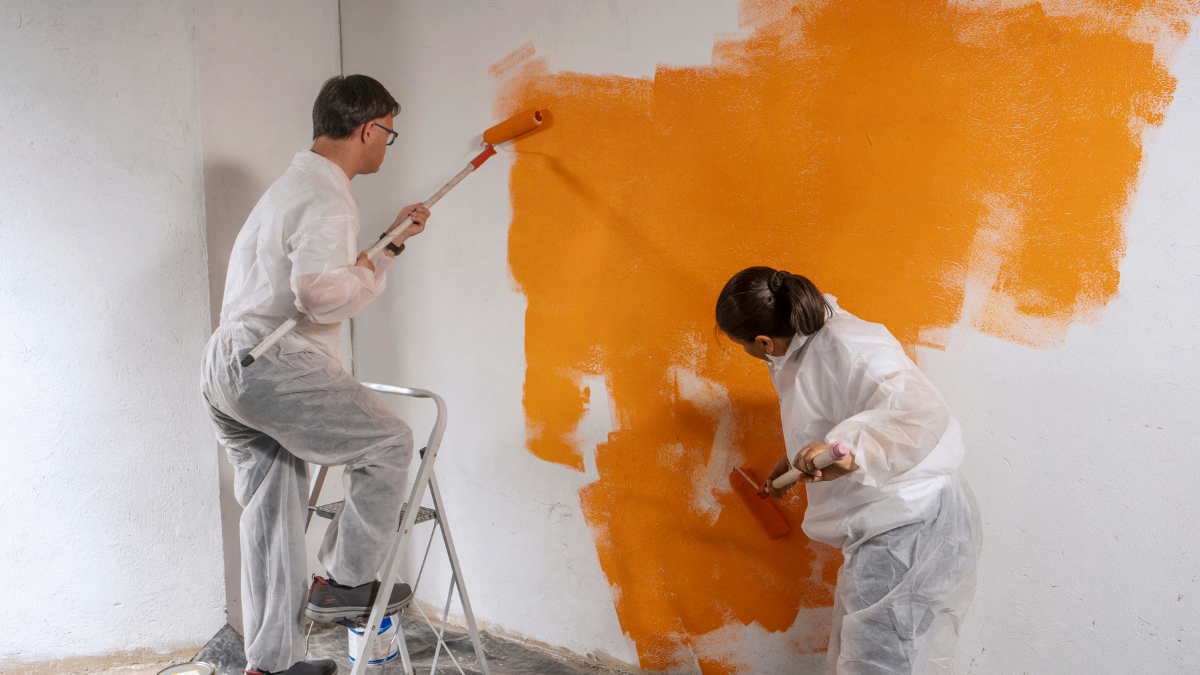
Small rooms can be some of the most useful spaces in a home, yet their size makes every design decision more noticeable. Wall color, finish, trim, lighting, furniture, and visual contrast can influence whether a compact room feels comfortable or crowded. Paint provides homeowners with a practical way to adjust that impression without changing the physical dimensions of the space.

Successful Interior Painting in a smaller room is not simply about choosing the lightest color available. The relationship between walls, ceilings, trim, natural light, and adjoining rooms matters just as much as the individual shade. Thoughtful combinations can reduce distracting visual breaks and give the room a calmer, more connected appearance.

Homeowners should begin by observing how the room actually functions throughout the day. A color that looks pleasant under morning sunlight may appear very different under lamps at night, while strong contrast can emphasize boundaries in an already limited area. Grandview Painting fits into this planning process by helping homeowners consider how color and surface choices work within the existing room.

Start With the Amount and Direction of Natural Light

Natural light has a strong effect on how paint colors appear. A small room with large windows may support a wider range of shades, while a compact space with limited daylight can make certain colors appear deeper than expected. Evaluating the room at different hours provides more useful information than selecting paint under store lighting.

Window direction can also change the character of a color. Some rooms receive bright direct light for part of the day, while others depend mostly on softer indirect light. The same sample can therefore look warmer, cooler, brighter, or more muted depending on where it is used.

Homeowners can place samples on more than one wall before making a final decision. Corners and walls opposite windows often receive different amounts of light. Observing several areas prevents one bright section from becoming the only basis for choosing a color.

Create Continuity Between Small and Adjoining Spaces

Compact rooms rarely exist in complete visual isolation. Hallways, doorways, open living areas, and nearby rooms often remain visible at the same time. Large differences between connected colors can make each boundary more obvious and visually divide an already limited floor plan.

Using related shades can create a smoother transition without requiring every room to look identical. A homeowner might choose colors with similar undertones while varying their depth slightly from one space to another. This approach gives individual rooms character while maintaining a sense of connection.

Grandview Painting can help homeowners consider these relationships before colors are finalized. Looking at adjoining rooms together may reveal combinations that are difficult to judge when each wall color is selected separately.

Use Contrast Carefully Rather Than Avoiding It Completely

Contrast adds definition, but too many strong changes can make a small room feel visually busy. Dark trim against very light walls, multiple accent colors, and sharply different architectural details may divide the room into several noticeable sections. Simplifying some of these contrasts can produce a quieter appearance.

Let Important Features Provide the Main Contrast

A room does not need several competing focal points. If a fireplace, built-in cabinet, artwork, or distinctive piece of furniture already draws attention, the surrounding paint can remain more restrained. This allows the feature to stand out without making every surface compete for attention.

Controlled contrast can also add useful depth. A slightly different trim color or carefully chosen feature wall may work well when it supports the room’s proportions. The key is deciding where contrast has a purpose rather than adding it automatically.

Keep Minor Details Visually Connected

Doors, trim, shelving, and small architectural features can create numerous visual lines. Painting some of these elements in related colors may reduce unnecessary breaks across the room. The resulting space can feel more settled even though its physical dimensions remain unchanged.

Interior Painting choices should therefore consider the complete collection of visible surfaces. Looking only at the four main walls can overlook smaller details that strongly affect the finished appearance.

Consider the Ceiling as Part of the Color Plan

Ceilings are sometimes treated as separate from the rest of the room, but they occupy a large visual surface. A sharp difference between the ceiling and walls creates a clear boundary overhead. Depending on the room, homeowners may prefer either that definition or a softer transition.

Using a ceiling color related to the wall shade can create continuity. This does not require matching both surfaces exactly. Subtle differences can preserve definition while avoiding a harsh visual break between vertical and horizontal surfaces.

Ceiling height should also influence the decision. Rooms with unusual angles, soffits, or sloped ceilings may contain several intersecting planes. Coordinating these surfaces can simplify the overall appearance and prevent architectural lines from overwhelming a compact space.

Match Paint Finish to How the Room Is Used

Color receives much of the attention during planning, but finish affects both appearance and everyday care. Light interacts differently with various finishes, changing how smooth or reflective a wall appears. Surface condition and room use should therefore be considered before making a selection.

Busy areas may need finishes that can handle routine cleaning, while lower-traffic spaces may have different requirements. Kitchens, bathrooms, children’s rooms, and hallways can experience moisture, fingerprints, or frequent contact. Practical needs should remain part of the design decision.

Wall condition matters because more reflective surfaces can make imperfections easier to notice under certain lighting. Careful preparation helps create a better foundation regardless of finish. Homeowners should evaluate both appearance and maintenance instead of choosing a finish based on one factor alone.

Make Furniture Part of the Paint Decision

Paint does not exist separately from the objects already filling a room. Sofas, beds, cabinets, rugs, curtains, and flooring contribute large areas of color and texture. Ignoring these elements can lead to wall colors that feel disconnected after the room is put back together.

Homeowners can compare paint samples beside permanent or expensive furnishings before making a choice. Replacing a wall color is generally more practical than replacing flooring or major furniture simply because the undertones conflict. Existing materials provide useful boundaries for narrowing the color range.

Grandview Painting can be considered during this stage as homeowners evaluate how painted surfaces relate to established features. A room usually feels more cohesive when walls support the larger design rather than becoming an isolated statement.

Avoid Assuming Every Small Room Needs White Walls

Light neutral colors can work beautifully in compact spaces, but they are not the only reasonable option. A room with limited light may not suddenly feel bright simply because its walls are white. In some settings, a carefully chosen mid-tone or deeper shade can create a comfortable and intentional atmosphere.

The room’s purpose should guide the choice. A small reading room, office, bedroom, or powder room may benefit from a different mood than a narrow hallway. Designing around actual use produces more personal results than following a universal rule for small spaces.

Homeowners should also remember that white itself varies considerably. Warm whites, cool whites, and muted off-whites interact differently with flooring, furniture, and daylight. Testing remains useful even when the intended palette appears simple.

Prepare Walls Before Judging the Finished Color

Small spaces often place viewers close to painted surfaces. Nail holes, dents, rough patches, old repairs, and uneven textures may therefore become particularly noticeable after fresh paint is applied. Surface preparation contributes directly to how clean the finished room appears.

Furniture and wall decorations can hide imperfections for years. Once a room is emptied for painting, homeowners may discover marks that were previously difficult to see. Addressing them before application provides a more consistent foundation for the new finish.

Proper preparation also makes color evaluation more meaningful. A fresh coating applied over an uneven or poorly prepared area may reflect light inconsistently. Smooth surfaces allow homeowners to appreciate the selected color without unnecessary distractions.

Build a Small Room Around Visual Balance

A successful compact room does not need to appear dramatically larger to feel more comfortable. Balanced color relationships, controlled contrast, suitable finishes, and coordination with existing furnishings can create a space that feels deliberate. These decisions often matter more than following simple decorating rules about light and dark shades.

Good Interior Painting planning considers walls as part of a complete room rather than an isolated surface. Natural light, ceilings, trim, furniture, adjoining spaces, and daily use all contribute to the final impression. Testing colors within those conditions helps homeowners make decisions based on their actual surroundings.

Small rooms reward careful choices because every surface plays a visible role. By reducing unnecessary visual breaks and selecting colors that support the room’s purpose, homeowners can create compact spaces with greater continuity and character. A thoughtful paint plan gives each element room to contribute without allowing the limited dimensions to define the entire experience.
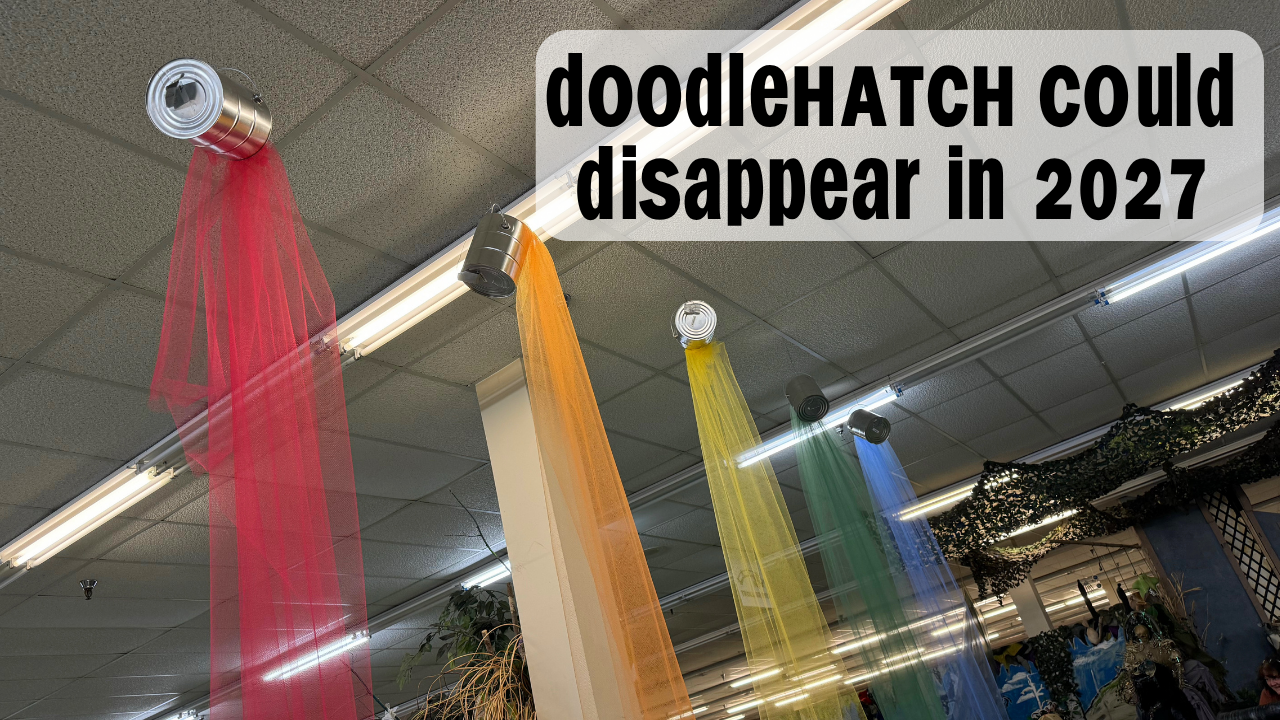
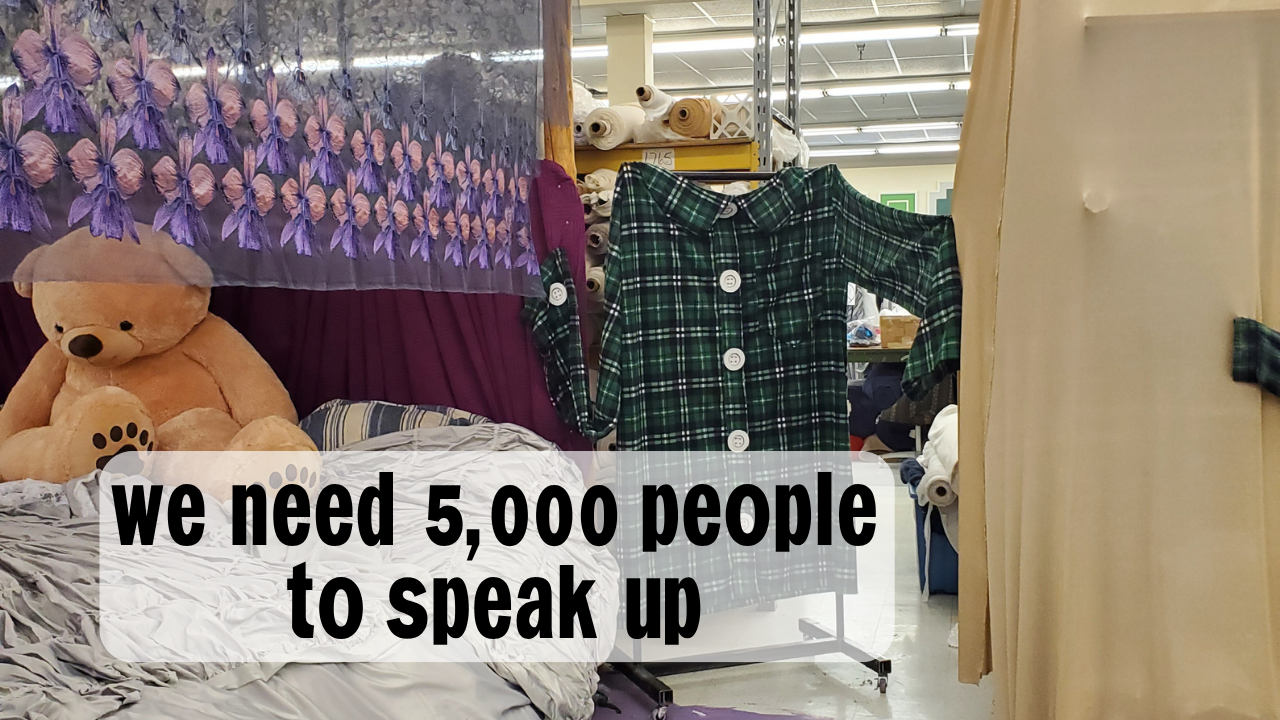
In Columbia, Maryland, there’s a former grocery store that has been transformed into a department store for mythical creatures, time travelers, and intergalactic tourists.

It’s called DoodleHATCH.

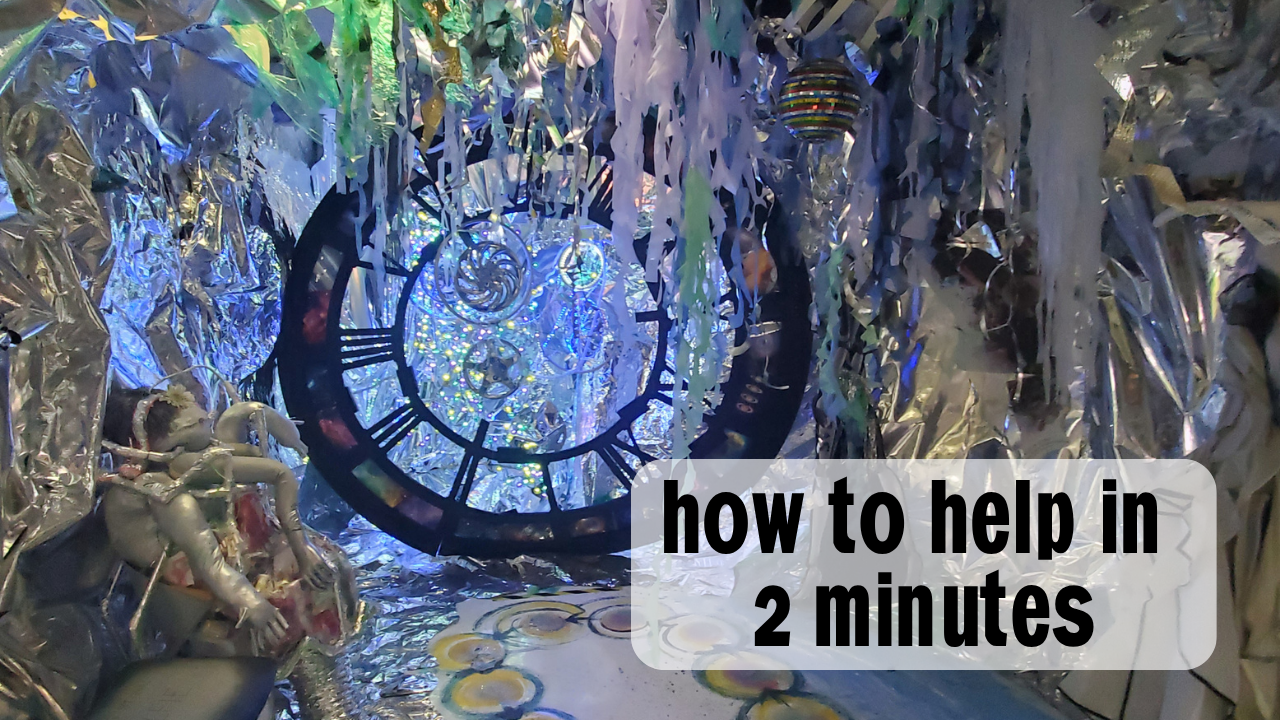
You can groom a unicorn, visit an intergalactic space station, climb onto a giant’s bed, meet guinea pigs, explore an artist’s studio, and discover approximately a million other things that somebody actually sat down and made.

It’s a nonprofit interactive art museum, a community project, an educational resource, and one of my favorite places I’ve ever discovered.

And it could be demolished as part of a proposed redevelopment of the Long Reach Village Center.

But there’s still an opportunity to help.

You don’t need to donate money. You don’t need to live in Maryland. And you don’t need to know anything about zoning laws.

You can start by writing an email.

🚨 Here's what's happening

Developer Columbia Concepts has proposed redeveloping the Long Reach Village Center in Columbia, Maryland.

The proposal would replace existing buildings with new housing, recreational facilities, and other development.

Unfortunately, that puts a whole collection of existing community resources at risk of being demolished, including:

  • DoodleHATCH Interactive Art Museum
  • Maryland Fashion Institute
  • A makerspace used for community education
  • Local restaurants, shops, and service businesses
  • Early childhood education and community programs
  • A 140-foot-long mural created by approximately 100 community members

This isn’t just about losing a fabulous museum. It’s about losing an entire collection of places that people have built, supported, and relied on.

And there’s another possibility!

🌈 Meet The REALM

Lee Andersen, the founder of DoodleHATCH, and her nonprofit ManneqART want to preserve the existing community resources and transform the village center into an arts and culture destination called The REALM.

Imagine a place where artists have studios, children have room to explore, students can learn creative skills, people can attend performances, and local businesses continue serving their neighbors.

There are plans for a performing arts space, more opportunities for artists, and a Witches Kitchen that might serve you a horrible-disgusting breakfast.

Which, personally, I think sounds promising.

The people behind DoodleHATCH are gathering support to oppose the developer’s zoning proposal and advocate for The REALM.

And they’d love your help.

💌 How to help in about two minutes

If you live in Howard County, Maryland

If you’re 18 or older, DoodleHATCH is asking eligible county residents to visit the museum and sign their petition in person.

📍DoodleHATCH Interactive Art Museum

8775 Cloudleap Court, Unit 101
Columbia, MD 21045

⏱️ Museum hours: Friday–Sunday, 10 AM–5 PM.

And while you’re there, I highly recommend exploring the museum. Bring someone who needs a reminder that being an adult doesn’t mean you have to stop enjoying ridiculous things.

If you don't live in Howard County

You can still help!

DoodleHATCH is collecting emails from people who oppose the proposed Columbia Concepts redevelopment and support preserving the existing arts and community resources through The REALM.

Send your email to: Lilou@DoodleHATCH.com

Suggested subject: Support The REALM | Oppose Columbia Concepts Zoning Proposal ZB 1132M

You can write your own message or use one of the templates below.

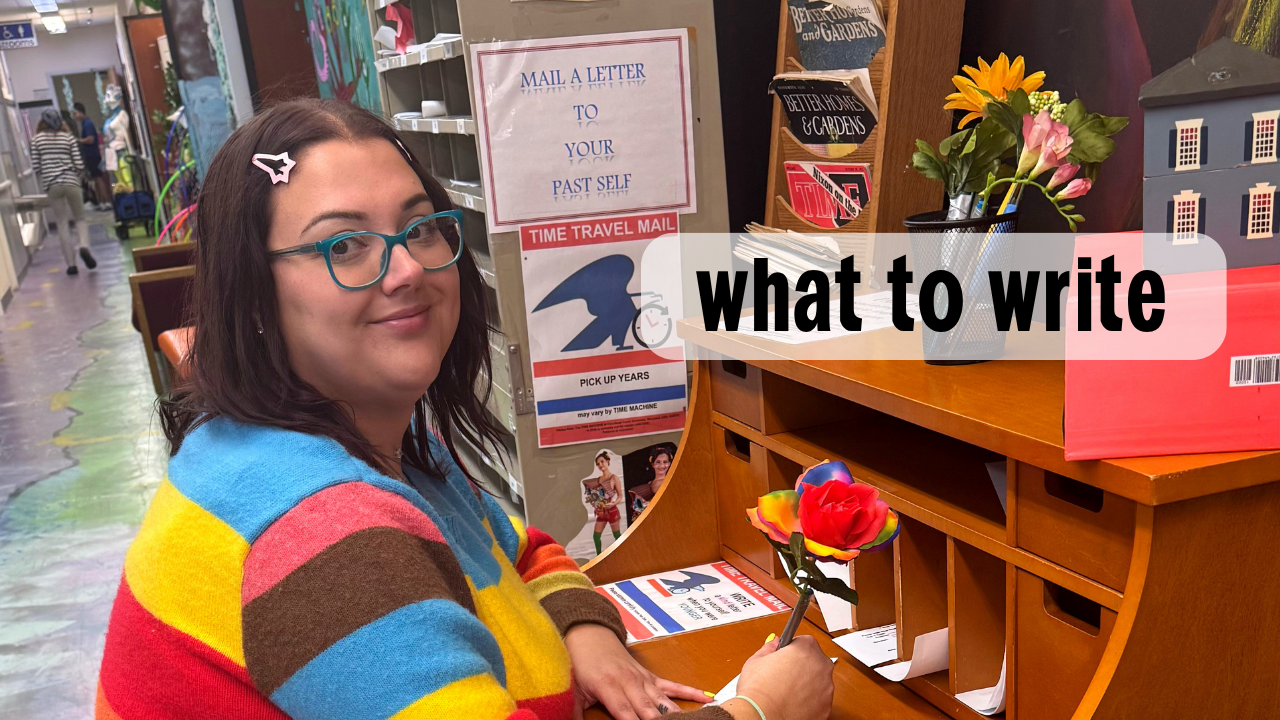
You don’t need to write an essay. A short, genuine message explaining what you support and why is enough to participate in this email campaign.

✍️ What should your email say?

To make your position clear, include these three things:

1. Say what you’re opposing.

State that you oppose the proposed Columbia Concepts redevelopment and zoning amendment for the Long Reach Village Center, case ZB 1132M.

2. Say what you’re supporting.

Express your support for preserving DoodleHATCH, the Maryland Fashion Institute, existing community resources, and the proposed arts and culture center called The REALM.

3. Explain why you care.

This is the part that makes your email yours.

Maybe you’ve visited DoodleHATCH. Maybe you’re a parent who wants more creative places for children. Maybe you’re an artist, an educator, or someone who thinks it’s important to protect the few spaces where people can explore and make things without needing to buy something.

Maybe you live across the country and just learned that there’s a department store for mythical creatures in Maryland, and you think the world would be a little less interesting without it.

That’s a perfectly good reason to care.

💌 Email templates you can copy

Option 1: Short, simple, and effective

Subject: Support The REALM | Oppose ZB 1132M

Hello,

I’m writing to express my opposition to the proposed Columbia Concepts zoning amendment and redevelopment of the Long Reach Village Center (ZB 1132M).

I support preserving DoodleHATCH, the Maryland Fashion Institute, and the existing community services and small businesses, as well as the proposal to create The REALM arts and culture center.

Creative and educational spaces like these provide valuable opportunities for families, artists, students, and the wider community. I believe they deserve to be protected.

Please include my email with the messages of support being collected for DoodleHATCH and The REALM.

Thank you,

[Your Name]
[Your City/State]

Option 2: For artists, creatives, and fellow merriment makers

Subject: Please Protect DoodleHATCH and Support The REALM

Hello,

I’m writing in opposition to Columbia Concepts’ proposed redevelopment and zoning amendment for the Long Reach Village Center (ZB 1132M), and in support of The REALM.

I believe communities need places where creativity, imagination, and play are actively encouraged.

DoodleHATCH is an extraordinary example of what can happen when artists and community members are given room to create something that doesn’t fit into an ordinary commercial space.

Places like this are rare. They encourage people of all ages to experiment, learn, explore, and connect with one another.

I support preserving DoodleHATCH, the Maryland Fashion Institute, the existing community resources, and the vision for The REALM.

Thank you for collecting these messages and advocating for the creative community.

[Your Name]
[Your City/State]

Option 3: For people who've visited DoodleHATCH

Subject: Please Save DoodleHATCH | Oppose ZB 1132M

Hello,

I’m writing to express my opposition to the proposed Columbia Concepts redevelopment and zoning amendment for the Long Reach Village Center (ZB 1132M), and my support for The REALM.

I’ve personally visited DoodleHATCH, and I want to share why I believe it’s worth preserving.

[Write two or three sentences about your experience. What did you see? Who did you bring? What surprised you? What made you want to return?]

DoodleHATCH is more than a collection of exhibits. It’s a place where creativity is something people can actively participate in, and I believe losing it would be a tremendous loss to the community.

I support preserving the museum, the Maryland Fashion Institute, and the other existing community resources through the proposed arts and culture center, The REALM.

Please include my email with the messages of support you’re collecting.

Thank you,

[Your Name]
[Your City/State]

A few tips before you hit send

DO:

  • Use your real name.

  • Include your city and state so organizers can understand where support is coming from.

  • Clearly identify the redevelopment proposal you’re opposing.

  • Specifically mention your support for The REALM.

  • Add a personal sentence or two if you can.

  • Be respectful, even if you’re frustrated.

  • Share this page with other people who might want to help.

DON’T:

  • Pretend to be a Howard County resident if you’re not.

  • Claim to have visited DoodleHATCH if you haven’t.

  • Make up experiences or information.

  • Send threatening, insulting, or harassing messages.

  • Assume your email is the same thing as signing the official petition.

  • Worry about making your message sound impressive. Clear and genuine is better than elaborate.

💌 The Save DoodleHATCH Email Machine

A few clicks, a little personality, and an email that helps support DoodleHATCH and The REALM. No account or signup required.

What's your connection to DoodleHATCH?
Why does protecting places like this matter to you?
✨ Your email preview
To: Lilou@DoodleHATCH.com
Subject:

Your information stays in your browser until you choose to copy or open the message. The email does not send automatically. Emails support DoodleHATCH's advocacy campaign; they are not the same as official petition signatures or zoning testimony. Please review the message before sending.

🐹 Wait. What exactly is DoodleHATCH?

I’m so glad you asked.

DoodleHATCH is an interactive art museum in Columbia, Maryland, created by artist, designer, and professional generator of wildly ambitious ideas, Lee Andersen.

The museum is designed as a pretend department store for mythological creatures, time travelers, and galactic tourists.

There are dozens of installations, and unlike most museums, you’re encouraged to touch things, explore, and participate.

There’s also an artist’s studio full of fabric and handmade garments, workshops, special events, birthday parties, free books, and opportunities for local artists to share their work.

The museum welcomes families and children, but adults are absolutely allowed to enjoy themselves, too.

And the woman behind it has spent decades bringing creativity into the community through fashion, festivals, education, and public art.

I discovered DoodleHATCH in 2020 and loved it so much that I started volunteering.

I’ve been back multiple times, and there are still things I haven’t seen.

That’s part of what makes it special. You can keep discovering things because people keep creating them.

You don't have to live near DoodleHATCH to care about it.

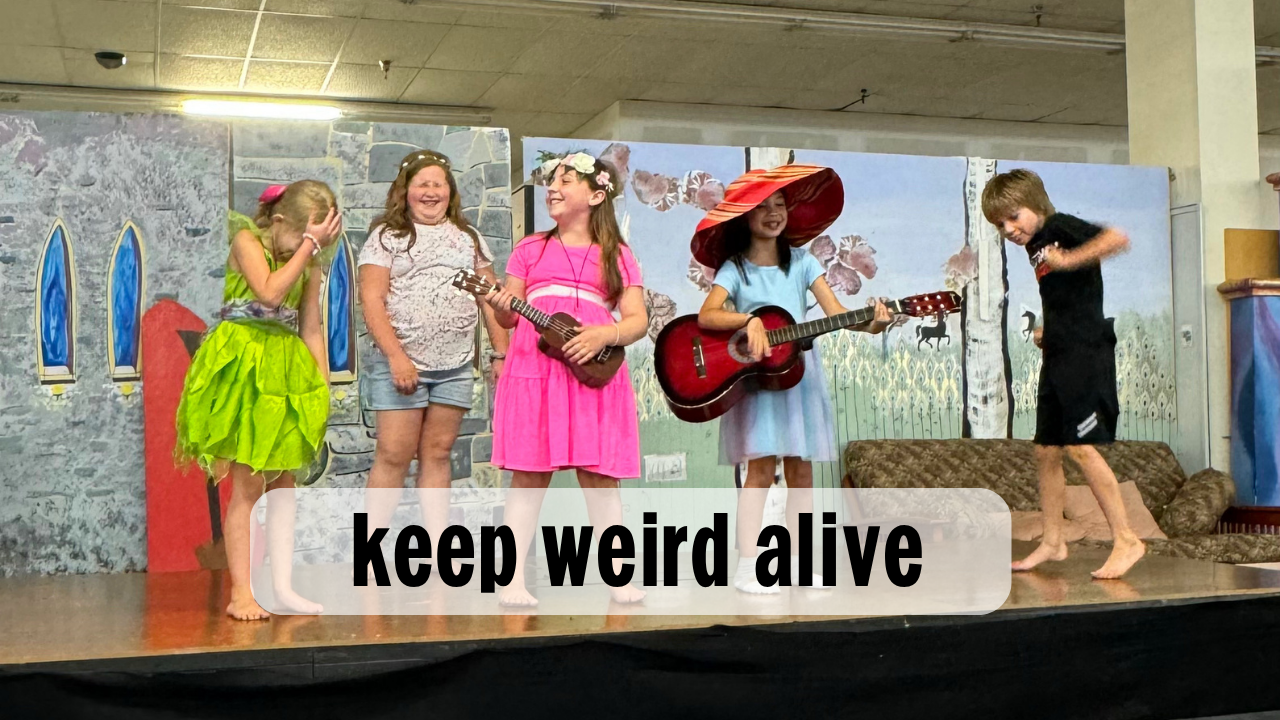
There are Merriment Makers everywhere.

People turning empty buildings into art spaces. People organizing parades. People teaching kids how to sew, paint, dance, or build things. People putting enormous amounts of time into projects that make their communities more interesting.

Sometimes they’re running nonprofits. Sometimes they’re working out of their garages. Sometimes they’re making something weird in a strip mall that you might drive past a hundred times without realizing what’s inside.

I hope you’ll help protect DoodleHATCH.

And I hope you’ll look around your own community, too. Visit the strange little museum. Go to the local art show. Find the person who makes giant puppets or organizes an absurd annual festival. Spend your money at the independent shop with the handmade things.

There are people everywhere creating reasons for us to be curious about being alive.

I’d like them to be able to keep doing that.

Help save DoodleHATCH. Help protect The REALM. Help keep the world interesting.

💌 Email: Lilou@DoodleHATCH.com

🌈 Visit: DoodleHATCH.com

🦄 Share: Uncustomary.org/Doodle