
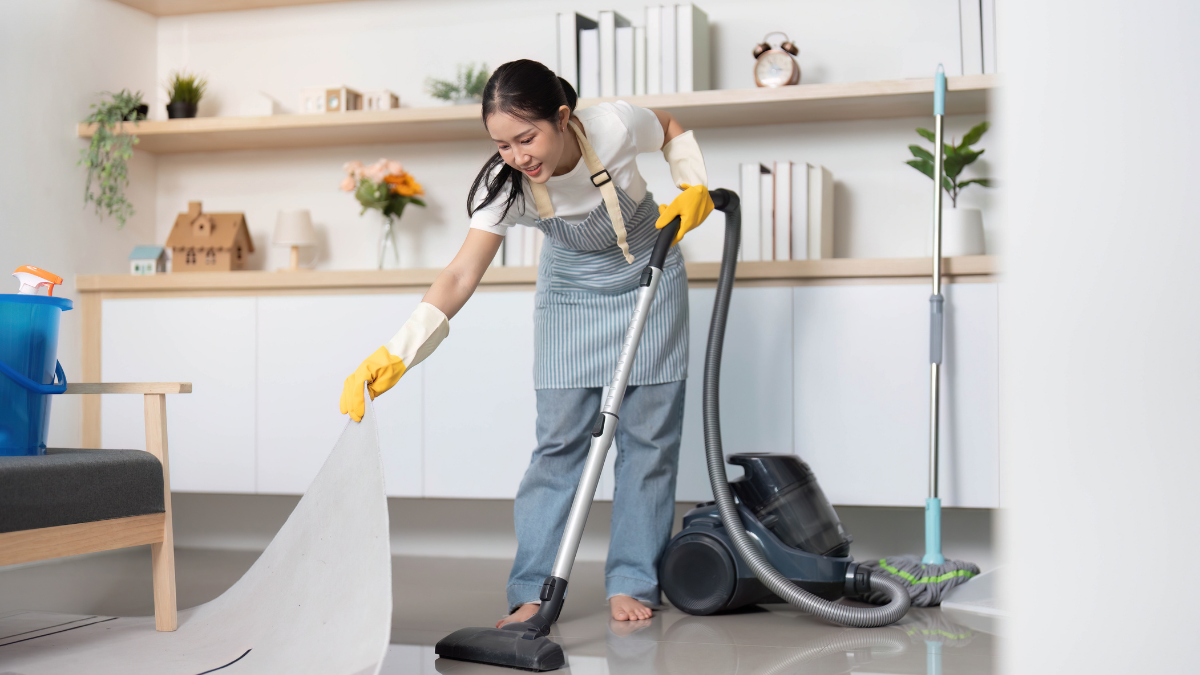
Preparing for guests can turn an ordinary cleaning routine into an unnecessarily large project. Homeowners may start noticing every dusty shelf, crowded drawer, or forgotten corner and feel that the entire house needs attention. In reality, visitors usually spend their time in a limited number of rooms, so cleaning priorities should reflect how the home will actually be used.
House Cleaning Services can help homeowners focus attention on spaces that influence guest comfort instead of treating every room as equally urgent. Entryways, bathrooms, kitchens, and shared living areas typically deserve more attention than private or rarely used spaces. A focused plan saves time while still creating a home that feels clean, comfortable, and prepared.
Shorely Clean works with the practical needs of households where available cleaning time may be limited before visitors arrive. The most useful approach is to identify visible and frequently used areas first, then address secondary tasks only if time remains. This prevents small details from distracting homeowners from the rooms that matter most.
Begin With the Spaces Guests Will Actually Use
Before cleaning begins, think through the expected visit from arrival to departure. Guests may enter through a front hallway, spend time in a living room, use a bathroom, and gather around a kitchen or dining area. These spaces should form the core of the cleaning plan.
Private bedrooms, storage areas, and rooms that will remain closed can usually receive less attention. Spending an hour organizing a closet that visitors will never see may leave less time for a bathroom or kitchen that everyone will use. Priorities should follow activity rather than personal frustration with unfinished household chores.
Create a short list of essential rooms before starting. This helps prevent the common habit of moving randomly from one cleaning task to another. A clear order makes limited preparation time easier to use effectively.
Make the Entryway Feel Orderly and Easy to Use
The entrance is one of the first areas visitors encounter, and it often collects everyday household clutter. Shoes, coats, bags, mail, packages, and outdoor debris can quickly make a small entryway feel crowded. Clearing these items creates usable space without requiring complicated cleaning.
Start by returning unnecessary belongings to their normal storage locations. Clean visible floor debris and make room for guests to place coats, shoes, or personal items if needed. Door glass or other noticeable surfaces can also receive attention when fingerprints are visible.
Avoid filling nearby closets with random items simply to hide clutter. If guests may use those storage spaces, an overloaded closet can create another inconvenience. Moving only unnecessary items keeps the entrance functional throughout the visit.
Give the Guest Bathroom Focused Attention
A bathroom used by visitors deserves careful preparation because guests experience the space privately and at close range. The sink, counter, mirror, toilet, fixtures, and floor are practical priorities. Visible residue or clutter can stand out more here than minor dust in a larger living area.
Clear personal products from counters when possible and make commonly needed supplies easy to find. Fresh hand towels, soap, toilet paper, and an accessible wastebasket can make the room easier for visitors to use. These details are more useful than spending excessive time on areas guests are unlikely to notice.
House Cleaning Services can be particularly useful before gatherings when bathrooms and other high-use areas need attention alongside normal household responsibilities. Focusing on cleanliness and function keeps preparation manageable. There is little benefit in chasing perfection while essential guest needs remain unfinished.
Check Supplies Before Moving to Another Room
Cleaning a bathroom without checking supplies can create last-minute problems once visitors arrive. Homeowners should confirm that basic items are available before considering the room complete. This takes only a few minutes but can prevent awkward interruptions later.
It can also help to remove nearly empty containers or unnecessary products from visible surfaces. A simpler counter is easier to clean and gives guests more room for their belongings. Practical preparation often improves the room more than decorative changes.
Keep Kitchen Cleaning Centered on Food Areas
The kitchen can become the busiest room during a gathering, even when food is prepared beforehand. Counters may be used for serving, guests may gather near drinks, and dishes can accumulate as the visit continues. Preparing usable surfaces is therefore more valuable than cleaning every cabinet or appliance.
Begin by clearing counters of items that are not needed for the gathering. Wipe food preparation and serving areas, deal with existing dishes, and clean obvious floor debris. Creating open workspace also makes it easier to manage new messes during the event.
Interior cabinets and other hidden areas can usually wait unless they are directly related to serving guests. Trying to complete these lower-priority jobs may consume valuable preparation time. Keep the focus on surfaces, appliances, and areas that will actually be used.
Reduce Clutter Before Detailed Living Room Cleaning
Shared living spaces often look untidy because of belongings rather than dirt alone. Remote controls, toys, paperwork, blankets, charging cables, and other everyday objects can make a room appear crowded. Removing unnecessary clutter can create a noticeable improvement before detailed cleaning even begins.
Return items to their proper locations instead of moving everything into another visible pile. Once surfaces and floors are clearer, dusting and vacuuming become faster. Furniture can also be arranged so guests have comfortable places to sit without moving household belongings.
Shorely Clean recognizes that organization and cleaning are separate tasks that affect one another. Professional cleaning is easier when surfaces are accessible, while simple organization makes a clean room appear more orderly. Handling clutter first helps homeowners use their remaining preparation time wisely.
Pay Attention to Floors Along Main Traffic Routes
Guests may move repeatedly between the entrance, living area, kitchen, dining space, and bathroom. Floors along these routes can collect visible dirt quickly, particularly when outdoor conditions are wet or dusty. Cleaning the main pathways can improve the overall appearance of several rooms at once.
Vacuuming or appropriate floor cleaning should follow basic decluttering so objects do not need to be moved repeatedly. Corners and rarely used areas may receive less attention if preparation time is short. Concentrate first on open areas where people will walk and gather.
Entry mats can also help control new debris after cleaning is finished. If outdoor conditions are likely to bring dirt inside, having a practical place for shoes can reduce additional floor maintenance during the gathering.
Use Visible Dirt as a Priority Guide
Not every surface requires cleaning simply because guests are coming. Instead, look for visible dust, fingerprints, crumbs, spots, or residue in the rooms on the priority list. These signs provide a practical guide when time is limited.
Frequently touched surfaces may also deserve attention. Door handles, certain switches, tables, and other regularly used areas can collect marks through everyday activity. Addressing obvious buildup can make shared spaces feel better maintained without turning preparation into a whole-house project.
Avoid repeatedly cleaning already acceptable areas while other important tasks remain incomplete. Working from visible need keeps the routine efficient. Once essential spaces are ready, homeowners can decide whether additional cleaning is worthwhile.
Set Aside Low-Priority Projects for Another Day
Hosting can make homeowners suddenly notice projects they have ignored for months. Organizing storage, washing every window, rearranging cabinets, or sorting old belongings may feel urgent once guests are expected. Most of these jobs have little effect on the actual visit.
Create a separate list for tasks discovered during preparation. Writing them down removes the pressure to complete them immediately while ensuring they are not forgotten. The guest-cleaning plan can then continue without unnecessary detours.
This distinction is especially useful when visitors are arriving within a day or two. Major organization projects can create more disorder before they are completed. Keeping them separate protects both preparation time and usable living space.
Leave Time for a Final Walkthrough
A short walkthrough after cleaning can reveal practical details that individual tasks miss. Enter the home as a guest would and move through the rooms visitors are expected to use. Look for clutter, supplies, floor debris, or obvious surfaces that still need quick attention.
This is also a good time to empty visible wastebaskets and check that seating areas remain usable. Avoid starting another major project during the walkthrough. The purpose is to correct small issues rather than restart the entire cleaning process.
House Cleaning Services can reduce the workload before larger gatherings, but homeowners can still use this final review to prepare personal details for their visitors. A few minutes of observation often identifies what actually matters. It also provides a clear stopping point for cleaning.
A Guest-Ready Home Does Not Need to Be Perfect
Preparing a home for visitors should focus on comfort, cleanliness, and usable shared spaces rather than making every room look untouched. Guests need clear entryways, clean bathrooms, practical kitchen areas, comfortable seating, and reasonably maintained floors. Hidden storage and unused rooms rarely deserve the same urgency.
Shorely Clean fits into a practical approach where cleaning priorities reflect household needs and available time. Homeowners can reduce unnecessary work by deciding which rooms matter before they begin. This creates a clearer plan and limits the temptation to turn simple preparation into an exhausting whole-house project.
A home can feel welcoming without being perfectly arranged from one end to the other. Focused cleaning leaves more time for food preparation, hosting details, and personal preparation before guests arrive. By concentrating on the spaces people will actually use, homeowners can prepare confidently without spending their entire day cleaning.