
Construction Site Entrance Cleaning Strategies for Controlling Dirt and Track-Out on Roads

by | Sep 18, 2026 | How To | 0 comments

Construction entrances handle nearly every vehicle that enters or leaves an active project. Dump trucks, delivery vehicles, concrete equipment, and worker traffic repeatedly cross the same transition between unfinished ground and public pavement. Each trip can carry soil, gravel, dust, and other loose material beyond the site boundary, creating a maintenance problem that grows throughout the workday.

Construction Sweeping can help manage track-out by removing loose material after it reaches paved access areas and nearby roads. The service becomes more useful when cleanup timing reflects vehicle movement, weather, and changing project phases rather than following an inflexible routine. Site managers can then address buildup before it spreads farther from the entrance.

Cleaner Streets can work with contractors and project managers to evaluate where tracked material accumulates and when cleanup is most practical. Entrance maintenance should be treated as a specific part of site planning because conditions there can change quickly. A well-organized approach focuses attention on the point where construction activity meets surrounding paved areas.

Understand How Track-Out Develops at Active Entrances

Track-out occurs when tires and equipment carry loose site material onto paved surfaces. Soil can become packed into tire treads, while small stones and dry sediment may collect around wheel areas before falling onto the road.

The amount of material leaving a site can vary considerably during a project. Excavation, grading, utility work, and material deliveries may create different entrance conditions from later phases when more permanent surfaces are installed.

Recognizing these changes helps managers avoid treating every workday alike. Monitoring the entrance provides a clearer picture of when additional cleanup may be necessary and which activities are creating the heaviest buildup.

Pay Attention to Vehicle Movement Throughout the Day

A site with occasional deliveries creates different maintenance demands from one with continuous truck traffic. The number, size, and route of vehicles can influence how quickly material accumulates outside the entrance.

Managers can observe when the heaviest traffic normally occurs. Concentrated hauling periods may create substantial track-out within a short window, while lighter workdays may produce much less material.

This information can guide cleanup timing. Scheduling work without considering traffic patterns may result in a freshly cleaned entrance becoming covered again shortly afterward by another wave of departing vehicles.

Treat Wet and Dry Conditions Differently

Weather can change both the type and movement of construction debris. During dry periods, loose soil may become fine dust that spreads across pavement through vehicle movement and wind.

Wet conditions can create heavier track-out. Mud may cling to tires and then drop onto pavement in thick patches as vehicles travel away from the entrance.

Construction Sweeping should therefore be planned according to the material actually present and the condition of the paved surface. Managers should continue evaluating site conditions because a method suitable for dry sediment may not address every problem created after rainfall.

Keep the Entrance From Becoming the Only Focus

The immediate site entrance is usually the first place managers notice tracked material, but debris may travel farther than expected. Vehicles can continue releasing soil and gravel after they have entered a public or private roadway.

Cleaner Streets can help evaluate the affected paved area instead of focusing exclusively on the property line. Looking beyond the entrance can reveal intersections, turning areas, curb lines, or road sections where construction material repeatedly settles.

The appropriate cleanup area may change as vehicle routes change. Monitoring these routes helps keep maintenance aligned with actual site activity rather than an assumed boundary.

Turning Areas Can Collect More Material Than Straight Routes

Vehicles behave differently when turning, stopping, or accelerating. These movements can shake loose material that remained attached to tires after leaving the construction entrance.

Corners and turning points may therefore show heavier deposits than nearby straight sections. Curbs can also capture sediment that traffic gradually pushes toward the pavement edge.

Including these locations in routine observations can provide a more accurate view of track-out. Site managers can then determine whether the cleanup area should extend beyond the most obvious section directly outside the gate.

Coordinate Cleanup With Heavy Hauling Periods

Excavation and earthmoving stages may involve frequent trips by trucks carrying soil, aggregate, or other materials. These periods can place greater pressure on entrance maintenance than phases with limited vehicle movement.

Construction street sweeping Los Angeles County can be scheduled around major hauling activity so cleanup occurs at useful points in the work sequence. Depending on site conditions, attention may be needed during extended operations as well as after particularly active periods.

Coordination matters because cleaning at the wrong time can create repeated work. Communication between site supervisors and cleaning crews can help ensure maintenance reflects the day’s actual construction schedule.

Inspect Internal Routes That Lead to the Exit

Track-out prevention does not begin at the public road. Conditions inside the project influence how much material reaches the entrance in the first place.

Internal travel routes may develop loose soil, ruts, or areas where vehicles repeatedly pass through disturbed ground. Tires can collect material along these routes before reaching the site exit.

Managers should periodically inspect the path vehicles use from active work areas to the gate. Understanding where material is picked up can help explain why entrance conditions become difficult during particular phases of construction.

Consider Delivery Areas and Temporary Access Changes

Construction logistics rarely remain unchanged from groundbreaking to completion. A gate may move, temporary roads may be introduced, or deliveries may begin using a different side of the project as work progresses.

Each change can create a new track-out pattern. An entrance that previously required significant attention may become less active while another access point begins receiving most vehicle traffic.

Maintenance plans should follow these operational changes. Reviewing access routes after major project transitions helps managers avoid continuing to concentrate resources on locations that are no longer the primary source of debris.

Monitor Curbs and Drainage Paths Near the Site

Tracked sediment does not always remain where vehicles first deposit it. Traffic, wind, and water can gradually move loose material toward curb lines and low areas.

This movement deserves attention because an entrance may look reasonably clear while substantial sediment has accumulated nearby. Rain can then move loose material again, changing where cleanup is needed.

Cleaner Streets can incorporate observations of these surrounding paved areas into site maintenance planning. Tracking where sediment settles provides a better understanding of how construction activity affects the immediate area beyond the gate.

Review Conditions After Major Weather Events

Heavy rain and strong winds can quickly alter entrance conditions. Rain may soften exposed soil and increase mud transfer, while wind can move dry sediment from disturbed areas toward paved routes.

Site managers should inspect entrances and nearby roads after significant weather rather than assuming the usual maintenance schedule remains sufficient. The inspection should consider both visible track-out and material that has migrated toward pavement edges.

Weather-related observations can also improve future planning. If certain conditions repeatedly create heavier buildup, managers can prepare for those periods instead of responding only after debris becomes widespread.

Keep Cleanup Responsibilities Clearly Defined

Busy construction projects involve multiple contractors, subcontractors, suppliers, and equipment operators. Without clear responsibility, entrance conditions can be noticed by many people but addressed by no one at the appropriate time.

Project managers can establish who monitors paved access points and who communicates when cleanup is needed. This simple process can reduce uncertainty during periods of heavy traffic or rapidly changing site conditions.

Responsibilities should also be reviewed as the project moves between phases. The people managing excavation may differ from those overseeing later work, but entrance maintenance still requires consistent attention.

Make Entrance Maintenance Part of Daily Site Planning

Track-out is easier to manage when it is treated as an ongoing site condition rather than an isolated cleanup task. Vehicle volume, weather, construction phases, internal routes, and temporary access changes can all influence how quickly material reaches surrounding pavement.

Regular observation gives project managers useful information about where debris is moving and when maintenance should occur. Coordinating cleanup with hauling schedules and changing entrance conditions can also reduce unnecessary repetition.

A construction entrance connects an active work zone with roads used by other vehicles and surrounding properties. Giving that transition focused attention helps keep construction-related dirt from spreading unnecessarily and supports a more orderly approach to site operations throughout the project.
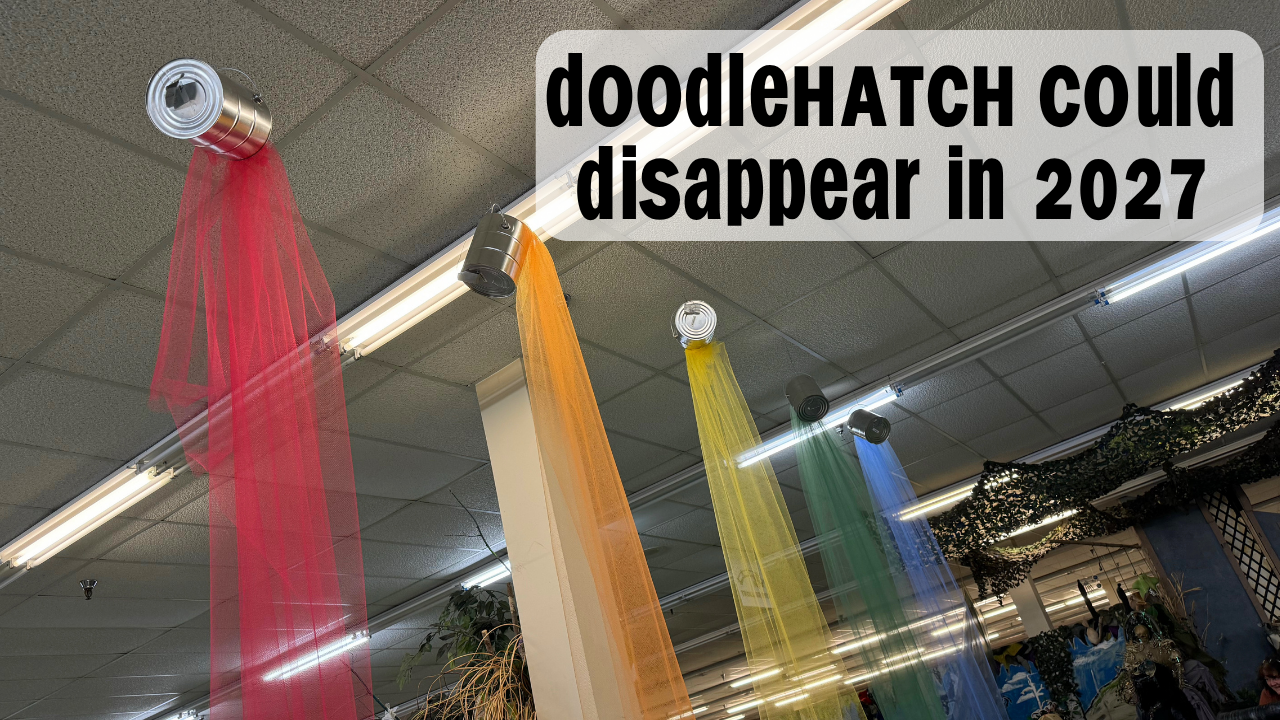
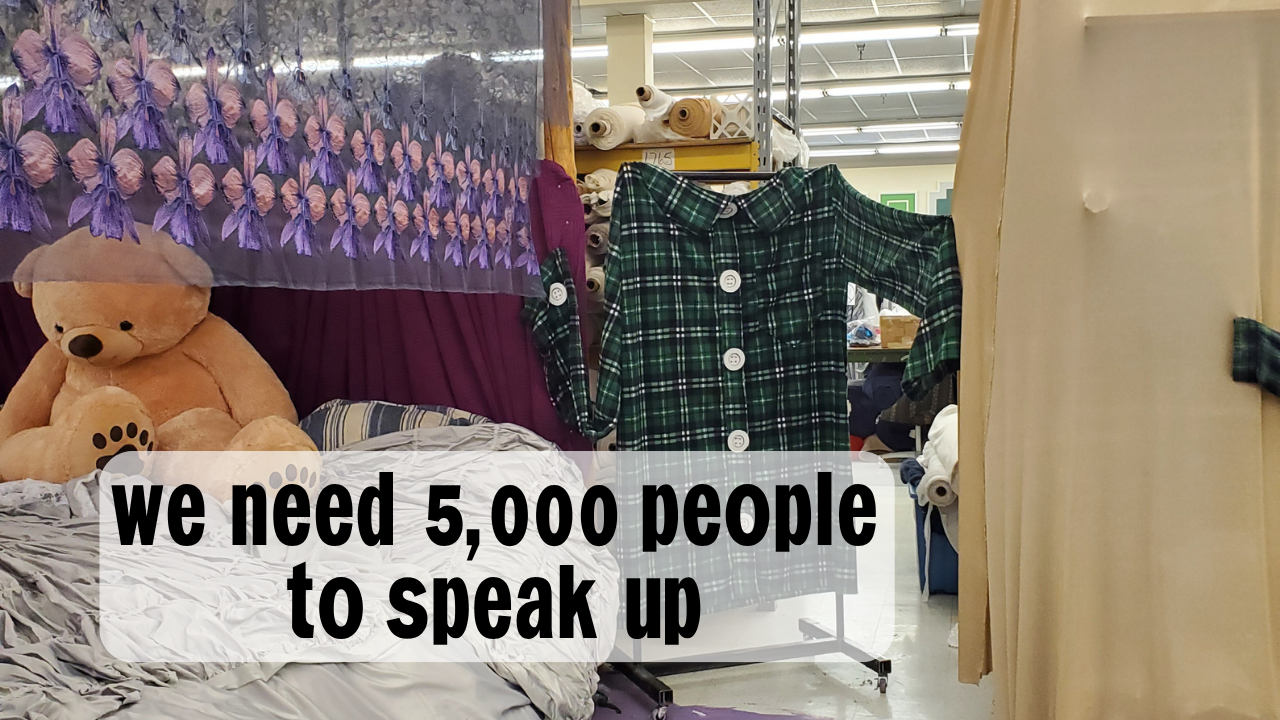
In Columbia, Maryland, there’s a former grocery store that has been transformed into a department store for mythical creatures, time travelers, and intergalactic tourists.

It’s called DoodleHATCH.

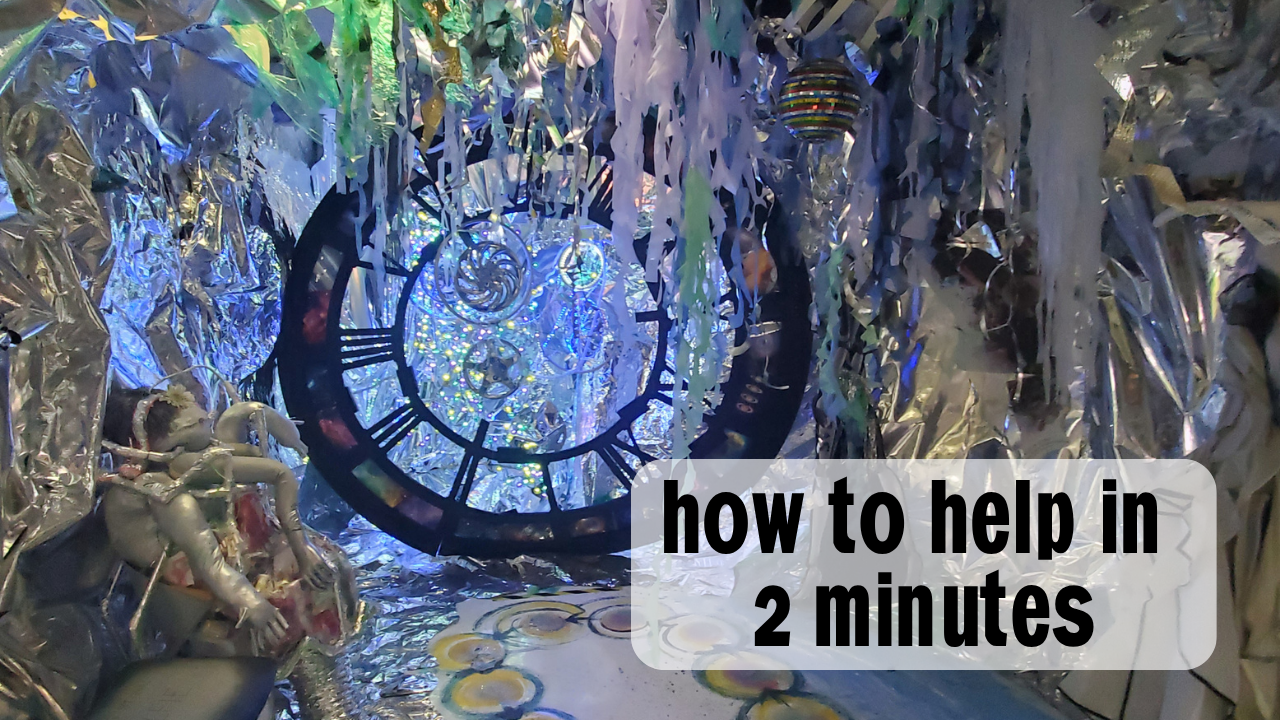
You can groom a unicorn, visit an intergalactic space station, climb onto a giant’s bed, meet guinea pigs, explore an artist’s studio, and discover approximately a million other things that somebody actually sat down and made.

It’s a nonprofit interactive art museum, a community project, an educational resource, and one of my favorite places I’ve ever discovered.

And it could be demolished as part of a proposed redevelopment of the Long Reach Village Center.

But there’s still an opportunity to help.

You don’t need to donate money. You don’t need to live in Maryland. And you don’t need to know anything about zoning laws.

You can start by writing an email.

🚨 Here's what's happening

Developer Columbia Concepts has proposed redeveloping the Long Reach Village Center in Columbia, Maryland.

The proposal would replace existing buildings with new housing, recreational facilities, and other development.

Unfortunately, that puts a whole collection of existing community resources at risk of being demolished, including:

  • DoodleHATCH Interactive Art Museum
  • Maryland Fashion Institute
  • A makerspace used for community education
  • Local restaurants, shops, and service businesses
  • Early childhood education and community programs
  • A 140-foot-long mural created by approximately 100 community members

This isn’t just about losing a fabulous museum. It’s about losing an entire collection of places that people have built, supported, and relied on.

And there’s another possibility!

🌈 Meet The REALM

Lee Andersen, the founder of DoodleHATCH, and her nonprofit ManneqART want to preserve the existing community resources and transform the village center into an arts and culture destination called The REALM.

Imagine a place where artists have studios, children have room to explore, students can learn creative skills, people can attend performances, and local businesses continue serving their neighbors.

There are plans for a performing arts space, more opportunities for artists, and a Witches Kitchen that might serve you a horrible-disgusting breakfast.

Which, personally, I think sounds promising.

The people behind DoodleHATCH are gathering support to oppose the developer’s zoning proposal and advocate for The REALM.

And they’d love your help.

💌 How to help in about two minutes

If you live in Howard County, Maryland

If you’re 18 or older, DoodleHATCH is asking eligible county residents to visit the museum and sign their petition in person.

📍DoodleHATCH Interactive Art Museum

8775 Cloudleap Court, Unit 101
Columbia, MD 21045

⏱️ Museum hours: Friday–Sunday, 10 AM–5 PM.

And while you’re there, I highly recommend exploring the museum. Bring someone who needs a reminder that being an adult doesn’t mean you have to stop enjoying ridiculous things.

If you don't live in Howard County

You can still help!

DoodleHATCH is collecting emails from people who oppose the proposed Columbia Concepts redevelopment and support preserving the existing arts and community resources through The REALM.

Send your email to: Lilou@DoodleHATCH.com

Suggested subject: Support The REALM | Oppose Columbia Concepts Zoning Proposal ZB 1132M

You can write your own message or use one of the templates below.

You don’t need to write an essay. A short, genuine message explaining what you support and why is enough to participate in this email campaign.

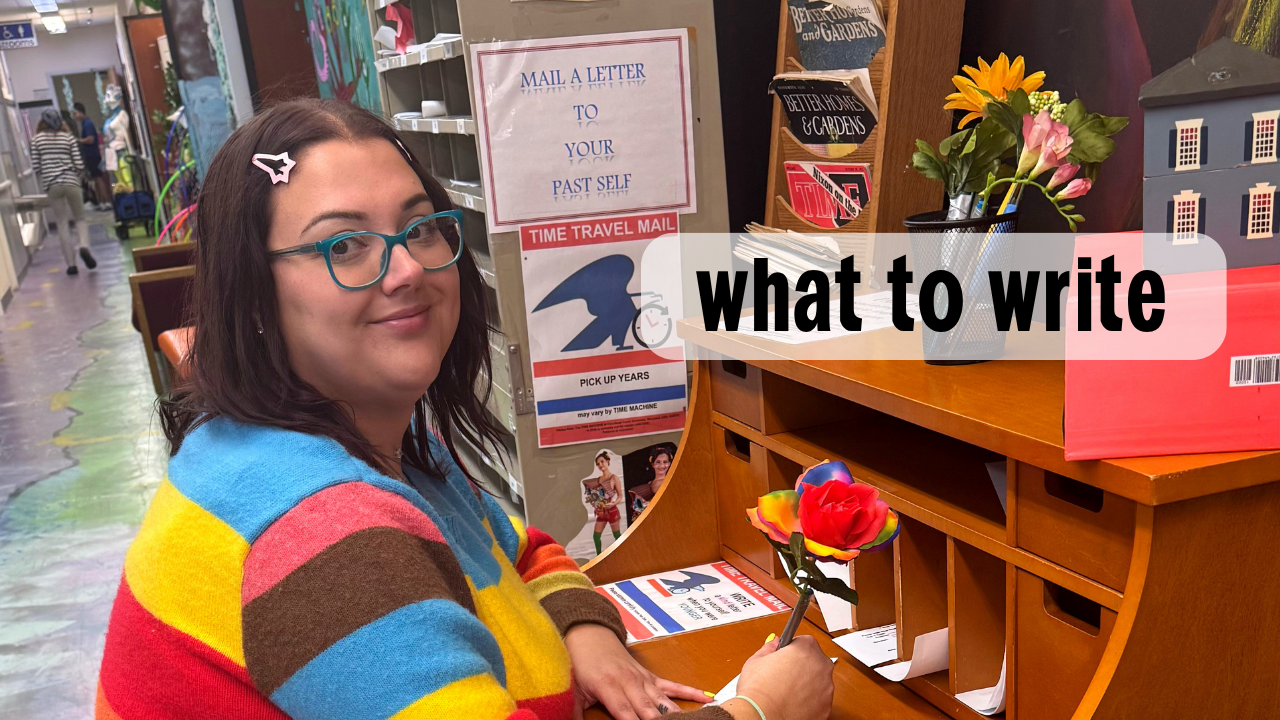
✍️ What should your email say?

To make your position clear, include these three things:

1. Say what you’re opposing.

State that you oppose the proposed Columbia Concepts redevelopment and zoning amendment for the Long Reach Village Center, case ZB 1132M.

2. Say what you’re supporting.

Express your support for preserving DoodleHATCH, the Maryland Fashion Institute, existing community resources, and the proposed arts and culture center called The REALM.

3. Explain why you care.

This is the part that makes your email yours.

Maybe you’ve visited DoodleHATCH. Maybe you’re a parent who wants more creative places for children. Maybe you’re an artist, an educator, or someone who thinks it’s important to protect the few spaces where people can explore and make things without needing to buy something.

Maybe you live across the country and just learned that there’s a department store for mythical creatures in Maryland, and you think the world would be a little less interesting without it.

That’s a perfectly good reason to care.

💌 Email templates you can copy

Option 1: Short, simple, and effective

Subject: Support The REALM | Oppose ZB 1132M

Hello,

I’m writing to express my opposition to the proposed Columbia Concepts zoning amendment and redevelopment of the Long Reach Village Center (ZB 1132M).

I support preserving DoodleHATCH, the Maryland Fashion Institute, and the existing community services and small businesses, as well as the proposal to create The REALM arts and culture center.

Creative and educational spaces like these provide valuable opportunities for families, artists, students, and the wider community. I believe they deserve to be protected.

Please include my email with the messages of support being collected for DoodleHATCH and The REALM.

Thank you,

[Your Name]
[Your City/State]

Option 2: For artists, creatives, and fellow merriment makers

Subject: Please Protect DoodleHATCH and Support The REALM

Hello,

I’m writing in opposition to Columbia Concepts’ proposed redevelopment and zoning amendment for the Long Reach Village Center (ZB 1132M), and in support of The REALM.

I believe communities need places where creativity, imagination, and play are actively encouraged.

DoodleHATCH is an extraordinary example of what can happen when artists and community members are given room to create something that doesn’t fit into an ordinary commercial space.

Places like this are rare. They encourage people of all ages to experiment, learn, explore, and connect with one another.

I support preserving DoodleHATCH, the Maryland Fashion Institute, the existing community resources, and the vision for The REALM.

Thank you for collecting these messages and advocating for the creative community.

[Your Name]
[Your City/State]

Option 3: For people who've visited DoodleHATCH

Subject: Please Save DoodleHATCH | Oppose ZB 1132M

Hello,

I’m writing to express my opposition to the proposed Columbia Concepts redevelopment and zoning amendment for the Long Reach Village Center (ZB 1132M), and my support for The REALM.

I’ve personally visited DoodleHATCH, and I want to share why I believe it’s worth preserving.

[Write two or three sentences about your experience. What did you see? Who did you bring? What surprised you? What made you want to return?]

DoodleHATCH is more than a collection of exhibits. It’s a place where creativity is something people can actively participate in, and I believe losing it would be a tremendous loss to the community.

I support preserving the museum, the Maryland Fashion Institute, and the other existing community resources through the proposed arts and culture center, The REALM.

Please include my email with the messages of support you’re collecting.

Thank you,

[Your Name]
[Your City/State]

A few tips before you hit send

DO:

  • Use your real name.

  • Include your city and state so organizers can understand where support is coming from.

  • Clearly identify the redevelopment proposal you’re opposing.

  • Specifically mention your support for The REALM.

  • Add a personal sentence or two if you can.

  • Be respectful, even if you’re frustrated.

  • Share this page with other people who might want to help.

DON’T:

  • Pretend to be a Howard County resident if you’re not.

  • Claim to have visited DoodleHATCH if you haven’t.

  • Make up experiences or information.

  • Send threatening, insulting, or harassing messages.

  • Assume your email is the same thing as signing the official petition.

  • Worry about making your message sound impressive. Clear and genuine is better than elaborate.

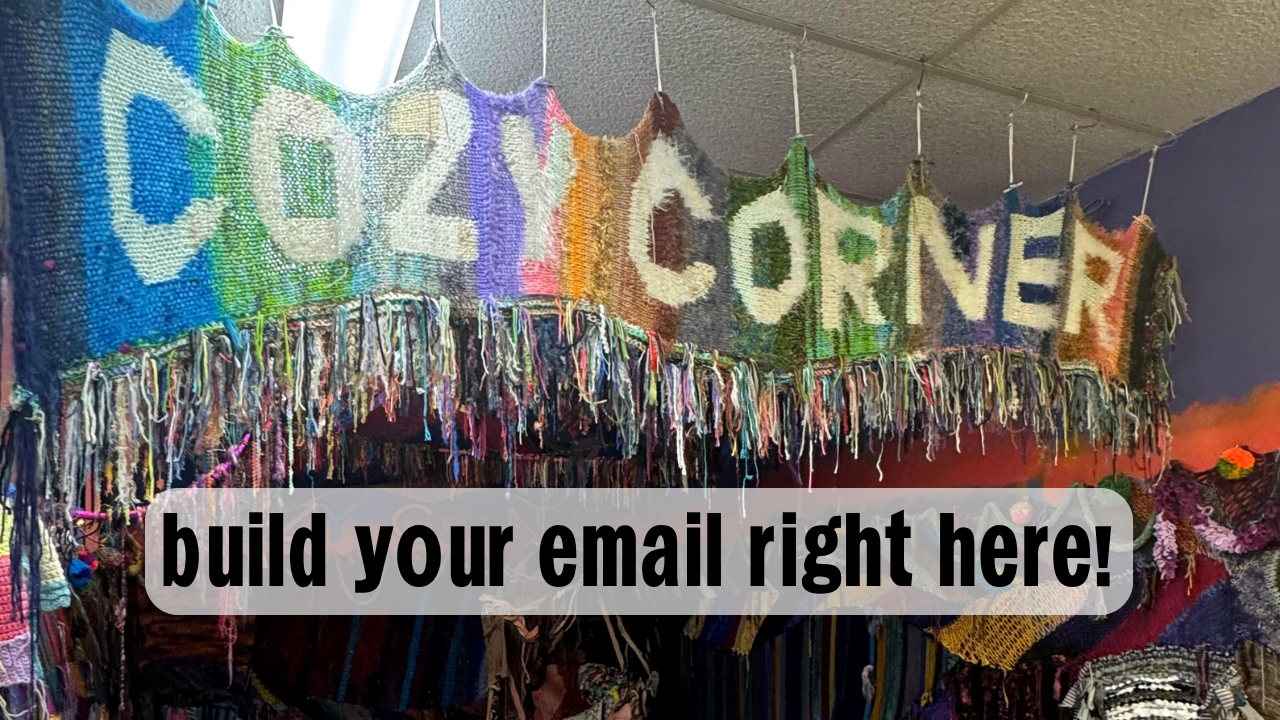
💌 The Save DoodleHATCH Email Machine

A few clicks, a little personality, and an email that helps support DoodleHATCH and The REALM. No account or signup required.

What's your connection to DoodleHATCH?
Why does protecting places like this matter to you?
✨ Your email preview
To: Lilou@DoodleHATCH.com
Subject:

Your information stays in your browser until you choose to copy or open the message. The email does not send automatically. Emails support DoodleHATCH's advocacy campaign; they are not the same as official petition signatures or zoning testimony. Please review the message before sending.

🐹 Wait. What exactly is DoodleHATCH?

I’m so glad you asked.

DoodleHATCH is an interactive art museum in Columbia, Maryland, created by artist, designer, and professional generator of wildly ambitious ideas, Lee Andersen.

The museum is designed as a pretend department store for mythological creatures, time travelers, and galactic tourists.

There are dozens of installations, and unlike most museums, you’re encouraged to touch things, explore, and participate.

There’s also an artist’s studio full of fabric and handmade garments, workshops, special events, birthday parties, free books, and opportunities for local artists to share their work.

The museum welcomes families and children, but adults are absolutely allowed to enjoy themselves, too.

And the woman behind it has spent decades bringing creativity into the community through fashion, festivals, education, and public art.

I discovered DoodleHATCH in 2020 and loved it so much that I started volunteering.

I’ve been back multiple times, and there are still things I haven’t seen.

That’s part of what makes it special. You can keep discovering things because people keep creating them.

You don't have to live near DoodleHATCH to care about it.

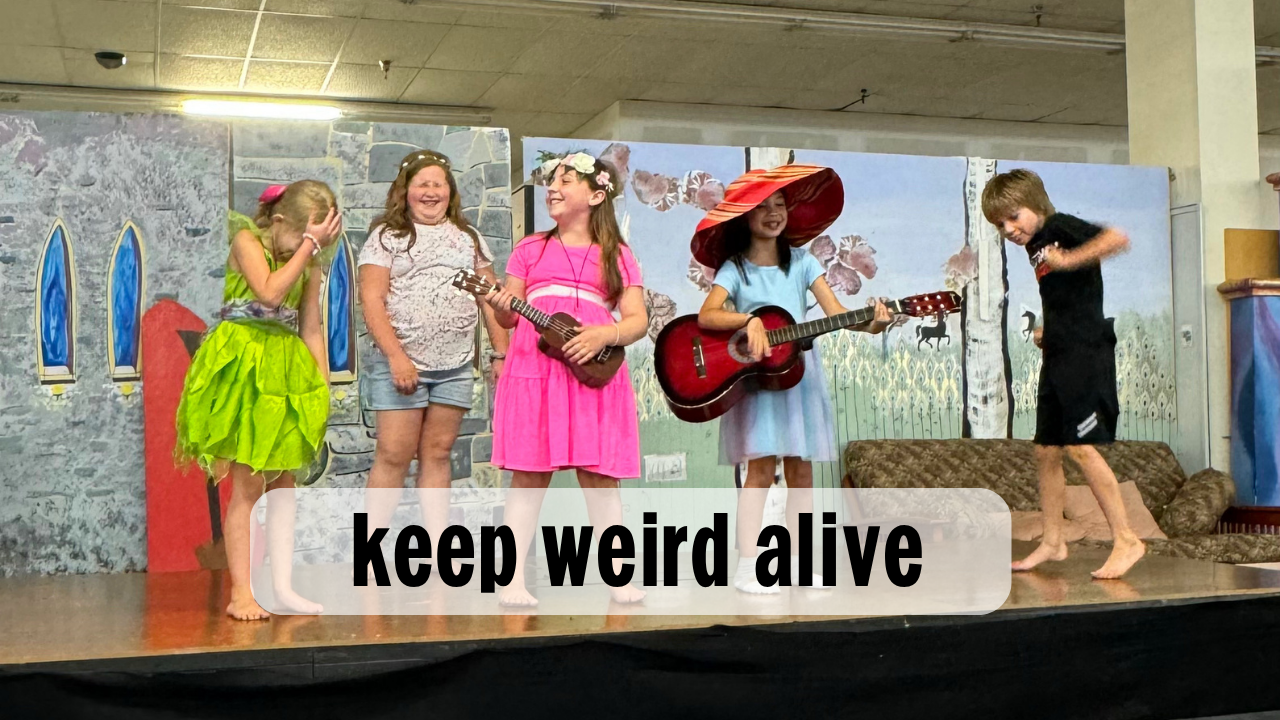
There are Merriment Makers everywhere.

People turning empty buildings into art spaces. People organizing parades. People teaching kids how to sew, paint, dance, or build things. People putting enormous amounts of time into projects that make their communities more interesting.

Sometimes they’re running nonprofits. Sometimes they’re working out of their garages. Sometimes they’re making something weird in a strip mall that you might drive past a hundred times without realizing what’s inside.

I hope you’ll help protect DoodleHATCH.

And I hope you’ll look around your own community, too. Visit the strange little museum. Go to the local art show. Find the person who makes giant puppets or organizes an absurd annual festival. Spend your money at the independent shop with the handmade things.

There are people everywhere creating reasons for us to be curious about being alive.

I’d like them to be able to keep doing that.

Help save DoodleHATCH. Help protect The REALM. Help keep the world interesting.

💌 Email: Lilou@DoodleHATCH.com

🌈 Visit: DoodleHATCH.com

🦄 Share: Uncustomary.org/Doodle