
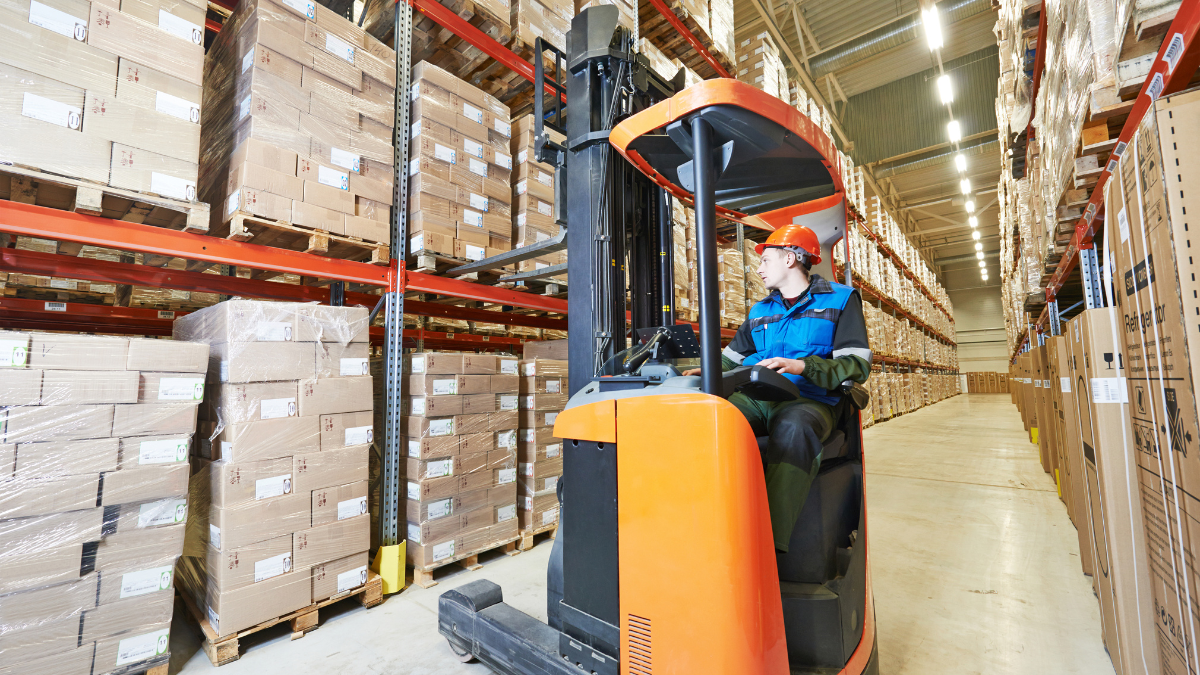
Forklifts are essential machines for lifting, transporting, stacking, and positioning heavy materials in warehouses, manufacturing facilities, construction operations, distribution centers, and industrial workplaces. Their performance depends on numerous mechanical, hydraulic, electrical, and structural components working together correctly. When one component becomes worn, damaged, or unsuitable, it can affect the performance of the entire machine and potentially create operational or safety concerns. Understanding forklift parts can help businesses make informed decisions about maintenance, repairs, replacements, and equipment management. Selecting the correct components is especially important because different forklift models have different specifications, capacities, dimensions, and operating requirements. A suitable replacement can restore performance and reliability, while an incorrect component may cause premature wear or additional mechanical problems. Regular inspection, preventive maintenance, and timely replacement are therefore important elements of responsible equipment ownership. By learning about the major components and their functions, businesses can better manage their equipment and reduce avoidable downtime.
Understanding Equipment Components
A forklift consists of many interconnected systems that allow it to lift and move loads efficiently. These systems include the mast, forks, hydraulic components, tires, brakes, steering mechanisms, engine or battery, electrical controls, transmission, and various safety devices. Each component has a specific function and contributes to overall machine performance. When businesses evaluate forklift parts, they should consider the equipment model, operating conditions, load requirements, usage frequency, and manufacturer’s specifications. A component that fits physically may not necessarily be suitable for a particular application. Correct specifications help ensure that replacements provide the expected performance and durability. Businesses should also consider the quality and reliability of the supplier when purchasing components. Proper selection is an important part of preventive maintenance because suitable components can help reduce premature wear and support consistent equipment operation.
Importance of Quality Components
The quality of replacement components can have a significant effect on equipment reliability. Forklifts often operate under demanding conditions, carrying heavy loads and performing repeated lifting, lowering, turning, and braking movements. Poor-quality components may wear more quickly or fail to provide the expected performance. High-quality forklift parts should be selected according to the machine’s requirements and the manufacturer’s recommendations. Businesses should verify dimensions, capacity, materials, specifications, and compatibility before installation. Quality is particularly important for safety-critical components such as forks, brakes, hydraulic hoses, mast components, and steering parts. Choosing suitable replacements can help minimize maintenance problems and reduce the risk of repeated repairs. Businesses should avoid selecting components solely because they have a lower initial price. Instead, they should consider expected service life, reliability, compatibility, warranty coverage, and overall value.
Forks and Load Handling
Forks are among the most important components of a forklift because they directly support and carry many of the loads handled by the machine. They are designed to withstand significant forces during lifting and transportation, but repeated use can eventually cause wear or damage. Forks may become bent, cracked, worn, or otherwise compromised if they are overloaded or improperly used. Regular inspection is therefore essential. When replacing forklift parts such as forks, businesses should confirm the correct dimensions, capacity, mounting configuration, and equipment specifications. Operators should never use forks that show significant structural damage or excessive wear. Loads should also be positioned correctly on the forks to maintain stability during transportation. Proper fork selection and maintenance can help protect materials, improve lifting performance, and support safer operation.
Hydraulic System Components
Hydraulic systems provide the force required for lifting, lowering, tilting, and positioning loads. These systems can include hydraulic pumps, cylinders, hoses, valves, seals, fittings, reservoirs, and hydraulic fluid. Because hydraulic systems operate under pressure, damaged or worn components can create leaks and reduce lifting performance. Slow movement, uneven lifting, unusual sounds, or visible fluid leaks may indicate a hydraulic problem. When replacing hydraulic forklift parts, businesses should verify pressure ratings, dimensions, materials, and compatibility with the existing system. Using an unsuitable hose, seal, fitting, or other component may reduce system reliability. Hydraulic fluid should also be inspected and maintained according to manufacturer recommendations. Regular inspection can help detect problems before they result in major equipment downtime or damage to related components.
Tires and Wheels
Tires affect traction, stability, maneuverability, and overall forklift performance. Different applications may require pneumatic, solid, cushion, or specialized tire configurations. The correct choice depends on the operating surface, workload, travel distance, and workplace conditions. Tires can experience cuts, cracks, excessive wear, punctures, and other forms of damage during regular operation. When replacing forklift parts such as tires and wheels, businesses should verify the correct size, type, load rating, and application requirements. Incorrect tire selection can affect machine stability, ground clearance, and handling characteristics. Regular inspections can help identify worn or damaged tires before they become a larger concern. Keeping tires in appropriate condition can also support smoother movement and more predictable machine control.
Brake System Components
A dependable braking system is necessary for maintaining control over a forklift, particularly when the machine is carrying heavy loads. Depending on the equipment design, braking systems may contain pads, shoes, drums, discs, cables, hydraulic components, and other mechanisms. These components can wear over time and should be inspected regularly. When replacing braking forklift parts, technicians should select components that meet the manufacturer’s specifications and are suitable for the specific equipment model. Operators should report symptoms such as reduced braking effectiveness, unusual sounds, vibration, or delayed stopping. A forklift with suspected brake problems should be inspected before continued operation. Timely replacement of worn components can help maintain predictable braking performance and reduce unnecessary risks.
Steering and Control Components
Steering systems allow operators to maneuver forklifts through work areas, aisles, loading zones, and storage spaces. Depending on the design, steering systems can include steering wheels, shafts, linkages, axles, bearings, hydraulic components, and other related mechanisms. Problems with these components can make the machine difficult to control accurately. Operators should report excessive steering play, unusual resistance, vibration, or other changes in steering behavior. When selecting replacement forklift parts for the steering system, businesses should verify compatibility and follow appropriate installation procedures. Correct alignment and adjustment can also influence performance. Regular inspection helps identify worn or damaged components before they interfere with machine control. Maintaining the steering system is therefore an important part of overall equipment maintenance.
Mast, Chains, and Rollers
The mast assembly supports the lifting and lowering functions of the forklift. It can include rails, rollers, chains, cylinders, bearings, and other components that work together to move the forks vertically. Because these components experience repeated movement and loading, they can gradually develop wear. Chains may stretch, rollers may become damaged, and bearings may require replacement or lubrication. During maintenance, technicians should inspect these forklift parts for signs of excessive wear, corrosion, damage, misalignment, or unusual movement. Replacement components should meet the required specifications for the machine and its lifting capacity. Operators should also avoid exceeding rated load limits because excessive loads can place additional stress on the mast system. Proper mast maintenance supports smooth lifting and reliable equipment performance.
Battery and Electrical Components
Electric forklifts depend on batteries and electrical systems to provide power for movement and lifting. Important components can include batteries, cables, connectors, charging systems, motors, controllers, switches, and sensors. Battery condition can affect operating time and machine performance, while electrical faults may cause warning indicators or inconsistent operation. When replacing electrical forklift parts, businesses should confirm voltage, specifications, connector types, and compatibility before installation. Damaged wiring, loose connections, or corrosion should be addressed promptly. Batteries should be charged using suitable equipment and appropriate procedures. Regular inspection of electrical components can help identify developing problems and improve the reliability of electric forklifts. Proper battery care can also contribute to longer battery life and more consistent operating performance.
Engine and Transmission Components
Internal-combustion forklifts rely on engines and transmissions to generate and transfer power. Engine-related components may include filters, belts, hoses, spark plugs, fuel system components, cooling system components, and various seals and gaskets. Transmission systems also contain numerous mechanical components that require appropriate lubrication and maintenance. Changes in engine performance, overheating, unusual sounds, excessive smoke, fluid leaks, or shifting problems can indicate potential issues. When replacing forklift parts related to engines or transmissions, businesses should use components that meet the equipment manufacturer’s specifications. Regular fluid changes, filter replacement, and inspections can help reduce premature wear. Maintaining these systems is especially important for forklifts that operate for long shifts or under heavy workloads.
Filters and Fluid Systems
Filters protect important systems by removing contaminants from air, fuel, hydraulic fluid, transmission fluid, and other operating fluids. Depending on the forklift model, equipment may use several different types of filters. A clogged or damaged filter can restrict flow, reduce efficiency, and increase stress on mechanical systems. During maintenance, technicians should inspect and replace filters according to recommended service intervals. Replacement forklift parts such as filters should match the correct equipment specifications to provide appropriate filtration. Fluids should also be checked regularly for correct levels and conditions. Using suitable fluids and filters can help protect internal components and reduce unnecessary wear. A consistent filter and fluid maintenance program supports better long-term equipment performance.
Electronic Controls and Sensors
Modern forklifts often contain electronic controls and sensors that monitor equipment functions and assist with machine operation. These systems can manage drive functions, lifting operations, battery information, warning indicators, and other processes. Electronic faults may produce warning codes or cause unusual equipment behavior. Diagnosing these problems correctly is important because replacing a component without identifying the underlying issue may not solve the problem. When working with electronic forklift parts, technicians should use appropriate diagnostic procedures and verify compatibility before replacement. Sensors, controllers, switches, and wiring should be inspected when electronic problems occur. As forklift technology becomes more advanced, proper electrical diagnostics and maintenance become increasingly important for reliable performance.
Selecting Suitable Replacement Components
Choosing a replacement component requires careful consideration rather than simply matching its appearance. Businesses should confirm the forklift model, component number where applicable, dimensions, load capacity, voltage, pressure rating, and other relevant specifications. When purchasing forklift parts, companies should work with reliable suppliers that provide accurate product information and technical support. The supplier should be able to confirm whether a component is appropriate for the intended equipment. For critical components, businesses should avoid making assumptions based solely on size or appearance. Comparing quality, expected service life, warranty terms, availability, and price can help organizations make more informed purchasing decisions. Proper component selection can reduce installation problems and improve equipment reliability.
Genuine and Aftermarket Options
Businesses may encounter both original equipment components and aftermarket alternatives when looking for replacements. Original components are generally designed specifically for particular equipment models, while aftermarket products are manufactured by independent suppliers. Aftermarket options may provide value in some applications, but businesses should carefully evaluate their specifications and quality. Critical forklift parts should always meet appropriate performance and safety requirements. Businesses should consider supplier reputation, component materials, dimensions, capacity, warranty, and technical documentation before selecting an alternative. Price alone should not determine the decision. For safety-related systems, professional advice can be useful when assessing whether an alternative component is suitable. An informed purchasing approach helps businesses balance cost considerations with reliability and performance.
Preventive Inspection and Maintenance
Preventive maintenance helps identify worn components before they fail and cause unexpected downtime. Maintenance schedules should consider manufacturer recommendations, operating hours, equipment age, workload, and environmental conditions. During scheduled inspections, technicians can examine forklift parts for wear, damage, corrosion, leakage, misalignment, or other issues. Components may require cleaning, lubrication, adjustment, repair, or replacement depending on their condition. Maintenance records should document inspections, repairs, replaced components, and upcoming service requirements. This information can help businesses identify recurring problems and determine whether particular machines require additional attention. Preventive maintenance can also make equipment costs more predictable because repairs can be scheduled rather than performed only during emergencies.
Recognizing Signs of Component Wear
Operators are often the first people to notice changes in equipment performance. Unusual noises, excessive vibration, fluid leaks, slow lifting, steering difficulties, braking problems, reduced battery performance, warning indicators, and uneven tire wear can all signal potential component problems. These symptoms should be reported promptly so that technicians can investigate them. Early inspection of affected forklift parts can prevent further damage and reduce the possibility of a larger breakdown. Businesses should establish clear reporting procedures and encourage operators to communicate concerns without delay. Employees should not attempt unauthorized repairs or continue using equipment that appears unsafe. Prompt reporting creates a stronger maintenance culture and can help organizations maintain more reliable equipment.
Safe Component Replacement Practices
Replacing equipment components requires appropriate procedures, tools, and technical knowledge. Some forklift systems contain stored energy or support heavy loads, making improper maintenance procedures potentially dangerous. Technicians should follow manufacturer instructions and use appropriate protective equipment when performing repairs. Replacement forklift parts should be inspected before installation to confirm that they are correct and free from visible damage. After installation, the equipment should be checked and tested according to appropriate procedures before returning to normal operation. Businesses should ensure that maintenance personnel have the necessary training and experience for the work they perform. Safe repair practices protect employees while also reducing the risk of incorrect installation or additional equipment damage.
Managing a Spare Component Inventory
Businesses operating multiple forklifts may benefit from maintaining an organized inventory of commonly needed replacement components. Keeping frequently used forklift parts available can reduce downtime when routine repairs are required. However, excessive inventory can tie up money and create storage challenges. Businesses should review maintenance records to determine which components are replaced most often and maintain reasonable quantities of those items. Parts should be labeled clearly and stored in conditions that protect them from damage, moisture, contamination, or deterioration. An organized inventory system can help maintenance teams locate components quickly and reduce delays caused by unavailable replacements. Effective inventory management can therefore complement a broader preventive maintenance strategy.
Extending Equipment Life
Proper maintenance and responsible operation can contribute to longer equipment life. Businesses should avoid overloading forklifts, operating them improperly, or ignoring early signs of mechanical problems. Regular inspection, cleaning, lubrication, adjustment, and component replacement can help prevent excessive stress on major systems. Operators should also follow appropriate operating procedures and stay within equipment limitations. Maintaining forklift parts before they reach a critical condition can help protect related components and reduce the likelihood of major failures. Maintenance teams should monitor equipment age, operating hours, repair history, and overall performance. This information can help businesses determine when a machine requires additional attention or may eventually need replacement. A proactive approach to component management can support better long-term value.
Repair or Replace Components?
Not every worn component requires immediate replacement, but delaying necessary repairs can create additional problems. Businesses should evaluate component condition, safety, performance, repair cost, and expected remaining service life when deciding whether to repair or replace an item. Maintenance records can provide useful information about how frequently particular forklift parts require replacement. If a component repeatedly fails despite repairs, a different solution may be necessary. In other situations, replacing a worn component during scheduled maintenance may be more economical than waiting for a breakdown. Decisions should be based on equipment specifications and professional assessment rather than appearance alone. A thoughtful repair-or-replace strategy can help businesses control costs while maintaining dependable equipment performance.
Final Thoughts
Forklift performance depends on the condition and compatibility of many interconnected components. Forks, hydraulic systems, tires, brakes, steering mechanisms, masts, chains, batteries, engines, transmissions, filters, electrical systems, and safety devices all contribute to reliable operation. Understanding forklift parts allows businesses to make better decisions about component selection, maintenance, repairs, and replacement. The correct replacement should meet equipment specifications and operating requirements rather than being selected solely on price or appearance. Regular inspections and preventive maintenance can identify wear before it develops into a major problem, while proper operator training can encourage early reporting of equipment concerns. Businesses should also maintain accurate service records and manage commonly needed components efficiently. With careful selection, responsible maintenance, and timely replacement, organizations can improve equipment reliability, reduce avoidable downtime, support safer operations, and achieve better long-term performance from their forklift fleet.