
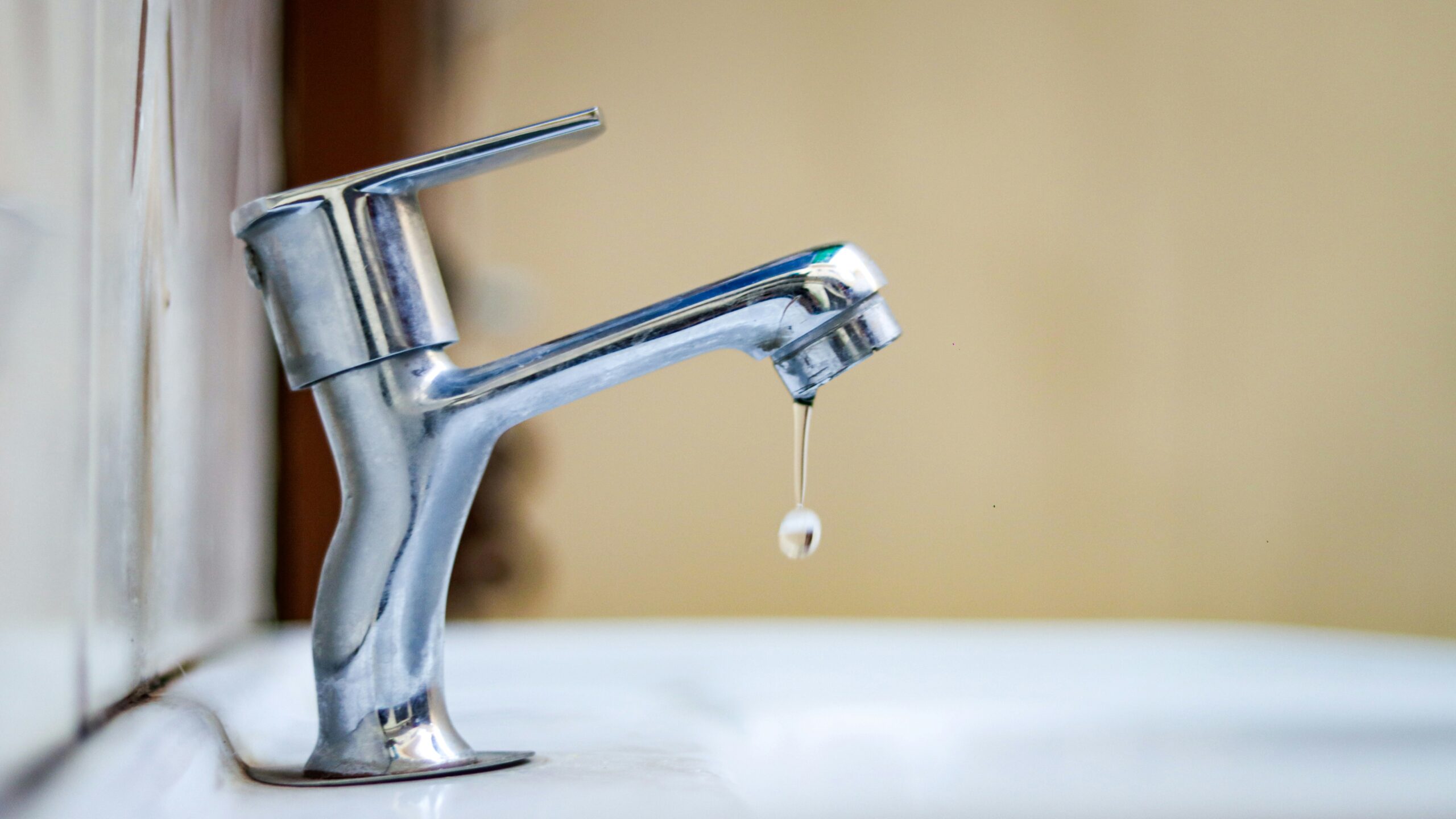
A sudden plumbing problem can send a wave of panic through any homeowner. The sound of rushing water where it shouldn’t be, or a toilet that just won’t cooperate, can instantly throw your day off. While some situations are definitely best left to the pros, having a basic game plan can help you stay calm, minimize damage, and manage things until help arrives. Knowing a few key steps can turn a potential disaster into a manageable inconvenience.
First Steps: What to Do Before You Panic
Before you even think about grabbing a tool or making a phone call, your top priority is to stop the water. Water damage can get out of hand quickly, so containing the problem is super important.
If you have an overflowing fixture or a visible leak, the first thing to do is shut off the water supply directly to that appliance. Most toilets and sinks have a small shutoff valve nearby, usually on the wall or floor, which you can often turn by hand. For a major leak, or if you can’t find that local valve, you’ll need to shut off the main water supply to your entire house. Take a moment right now to find your main water shutoff valve, so you know exactly where it is in case you need an emergency plumber. Having access to professional help for urgent plumbing problems can be especially important when a leak, burst pipe, or backup threatens to cause significant damage. It’s often in a basement, crawl space, or utility closet, usually near where the water line comes into your home.
Common Culprits and Quick Fixes
Lots of household plumbing issues fall into a few common categories. A clogged sink or a toilet that won’t flush right are often the first signs of trouble. For a simple sink clog, a combination of hot water and a plunger can often do the trick. If that doesn’t work, you can try cleaning the P-trap, which is that U-shaped pipe under the sink. Just remember to put a bucket underneath before you unscrew it to catch any water.
For a clogged toilet, a flange plunger (that’s the kind with a bell shape) is your best friend. Unlike simple clogs, recurring backups or slow drains all over your house could point to a bigger problem in your main sewer line. Understanding the four most common plumbing emergencies can help you figure out what’s going on and decide what to do next.
Knowing When to Call for Backup
It’s great to have a DIY spirit, but it’s really important to know when a problem is just too big for you to handle. Trying a complex repair without the right skills or tools can often make things much worse. You should definitely call for professional help if you run into any of these situations:
- A major leak or burst pipe that you can’t stop, even after shutting off the main valve.
- No water throughout your house.
- Signs of a sewer line backup, like gurgling toilets or water backing up into showers and tubs.
- A strong smell of gas near water heaters or other gas-powered appliances.
In these cases, a fast response is crucial to prevent extensive damage to your home. Pros have the expertise and equipment to diagnose and fix the issue safely and efficiently.
Building Your Plumbing First-Aid Kit
Just like a medical first-aid kit, a small, dedicated plumbing kit can be a real lifesaver. You don’t need a professional-grade setup, just a few key items to handle minor issues and hold you over until a pro can arrive. Keeping these tools together in a small box or bag in an accessible spot, like under the kitchen sink, means you won’t be scrambling during a crisis.
Consider putting together a basic home repair toolkit that includes these essentials:
- A flange plunger and a cup plunger: one for toilets and one for sinks.
- Adjustable pipe wrenches: for tightening or loosening fittings.
- Duct tape or pipe repair tape: a temporary fix for small leaks.
- A bucket and old towels: for catching water and cleaning up.
- Sturdy gloves: to protect your hands.
Having these simple items ready can give you the confidence to tackle small problems and manage bigger ones until help is on the way.
A plumbing emergency is never convenient, but it doesn’t have to be a complete disaster. By knowing how to shut off your water, having a few basic tools, and recognizing when to call for help, you can protect your home and your peace of mind.