
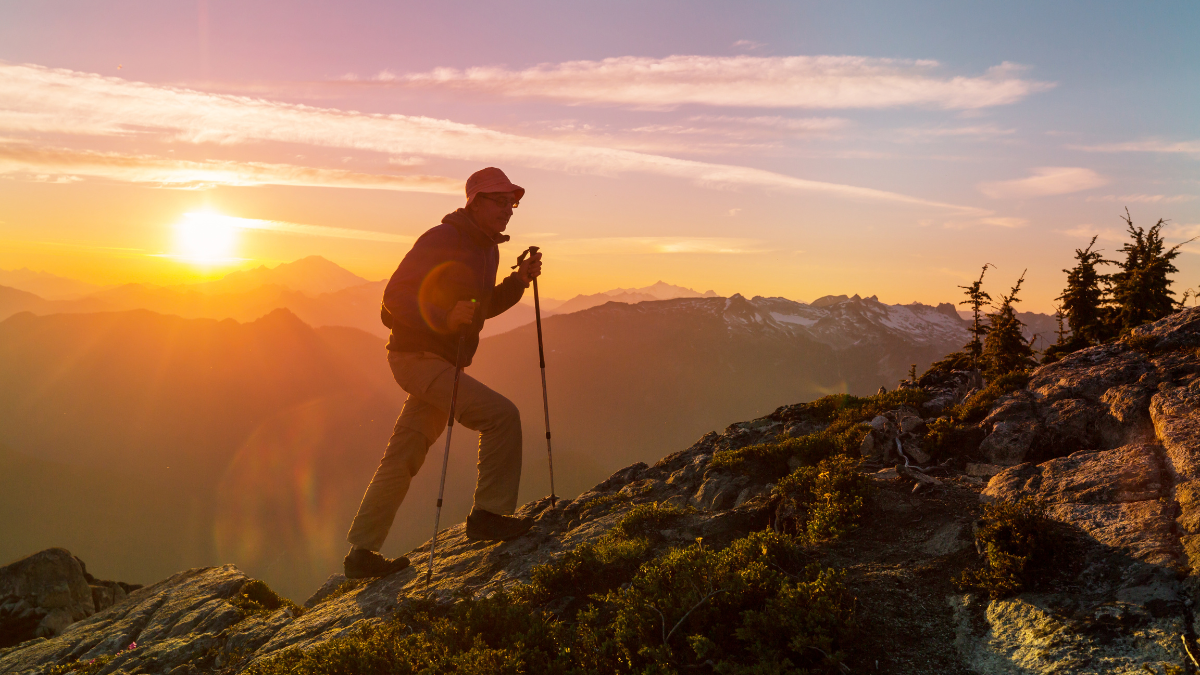
Comfort on the trail is not about luxury. It is about function. Every layer, every seam, and every material choice affects how your body performs when the terrain gets hard and the weather turns. Small oversights compound over miles, so it pays to get the basics right before you ever hit the trailhead.
Start With the Base Layer
Skin contact fabric decides comfort before anything else does. Cotton holds moisture against your skin, so it chills you as sweat evaporates. Merino wool and synthetic blends move moisture away from the body and dry fast. Pick the fabric first, then pick the style.
Pants matter as much as shirts. Denim is heavy and slow to dry, but reinforced options solve that problem. Tactical jeans use ripstop panels and stretch fabric blends that flex at the knee without tearing, and they hold up better against abrasion than standard denim on rock or brush.
Fit should allow full leg extension. Tight pants restrict blood flow on long climbs. Loose pants snag on branches and loose rock. A gusseted crotch and articulated knee cut down on fabric drag with every step.
Footwear and Traction
Boots need a sole stiff enough to protect against sharp rock, but flexible enough to allow a natural gait. Break them in before any trip longer than a few miles. Blisters form fastest in stiff, unbroken leather. A midweight trail runner works fine for packed dirt, but rocky or wet terrain calls for a boot with real ankle support.
Sock choice affects blister risk more than boot choice does. Wool-synthetic blends wick moisture and cushion pressure points. Skip cotton socks entirely. Double-layer socks cut friction by letting the layers slide against each other instead of against your skin.
Managing Heat and Sweat
Overheating slows you down before you notice it happening. Body temperature climbs gradually, then crashes into fatigue. Vent early, not after you are already soaked.
A few habits keep core temperature stable on the move:
- Open chest and underarm zippers before you feel hot
- Remove a layer at the first uphill grade
- Switch to a lighter hat once sweat starts
- Carry a spare shirt for camp or rest stops
Weather Shells and Wind Protection
Wind strips heat fast, even in mild temperatures. A shell layer blocks wind without adding bulk. Waterproof-breathable membranes handle rain, but they trap some sweat vapor, so pair them with a wicking base layer underneath.
Seam-taped jackets keep water from entering at the stitch lines. Check zippers for storm flaps before you buy. A hood with a wire brim keeps rain off your face without blocking peripheral vision on rough terrain.
Group Gear and Consistency
Group trips add another layer of planning. Matching gear cuts down on confusion and helps leaders spot stragglers fast. Many outdoor programs and school groups now source track uniforms for group hikes and training runs, since the stretch fabric handles both walking and running without a change of outfit.
Consistent gear also simplifies packing lists. When everyone wears the same base kit, leaders can predict weight, layering needs, and repair supplies without guessing at individual preferences.
Hydration and Fuel Timing
Dehydration reduces muscle efficiency before thirst even kicks in. Drink on a schedule, not on impulse. Small, frequent sips beat large infrequent gulps for absorption. In hot conditions, add electrolytes to at least one bottle to replace what sweat takes out.
Fuel timing follows a similar rule:
- Eat a small snack every 60 to 90 minutes on long hikes
- Pair carbs with a little protein or fat for steady energy
- Avoid heavy meals right before a climb
- Pack calorie-dense food that does not melt or freeze
Real Numbers Behind the Trend
Outdoor participation is not a niche habit anymore. In 2023, hiking topped the list of outdoor activities by participation rate, reaching 20 percent of Americans aged six and older, according to the Outdoor Industry Association’s 2024 Outdoor Participation Trends Report. More hikers on the trail means more demand for gear that actually performs under real conditions.
Final Fit Check Before You Leave
Walk around your house in full gear before any trip. Sit down, crouch, and reach overhead. Any pinch point or restriction will get worse after hours on trail, not better. Test your rain shell and pack together, since some jacket hoods do not fit over a loaded pack strap.
Check pack straps for even weight distribution. A pack riding low on the hips causes back strain within a few miles. Adjust it before you start, not after your shoulders already ache.
Comfort outdoors comes from small decisions stacked together. Fabric, fit, footwear, and food all interact with each other. Get the details right, and the miles take care of themselves.