
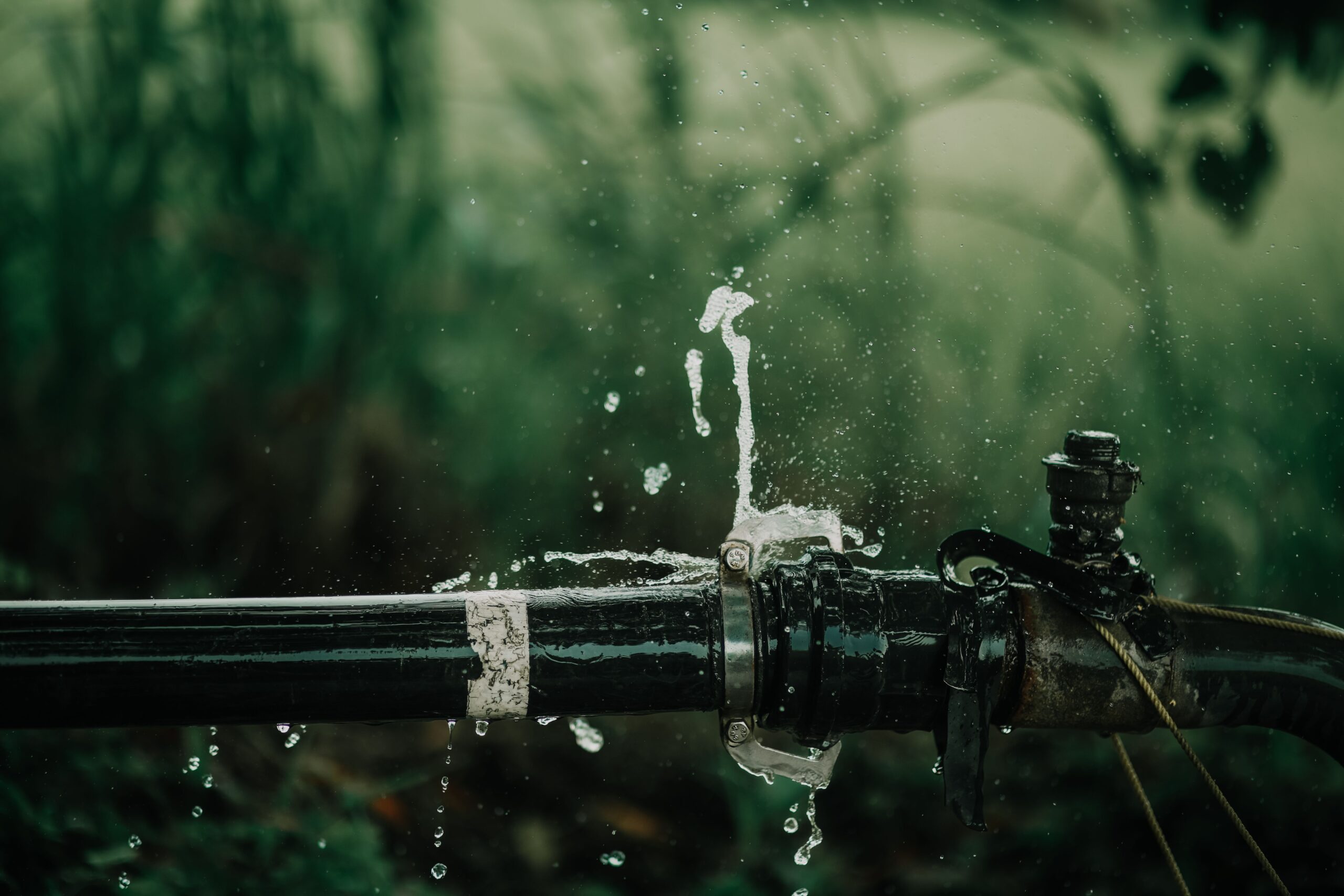
A plumbing emergency can turn a normal day into a very expensive mess in minutes. One leak under pressure can damage floors, walls, wiring, and furniture before you even find the shutoff valve. If you know what to look for and what steps to take first, you can limit the chaos, protect your home, and make smarter decisions while everything feels urgent. Calm beats panic every time, especially when water is trying to redecorate your house.
Figure Out When You Need Professional Help Fast
Some homeowners can handle a basic clog or replace a worn flapper. A major leak or sewer issue is not the time for DIY confidence. If you can’t stop active water, identify the source, or safely access the damaged area, call a plumber immediately.
Professional service matters even more when the issue involves gas lines, water heaters, slab leaks, frozen pipes, or multiple backed-up drains. Those problems often require specialized tools and proper diagnosis, not guesswork and a tutorial you found three minutes ago.
If you need same-day emergency plumbing, look for a provider that handles urgent residential calls, communicates arrival times clearly, and can explain what caused the issue. Speed matters, but accuracy matters too. A fast patch that misses the root cause can bring the whole problem back next week.
Know What Counts as a Real Plumbing Emergency
Not every plumbing issue needs immediate action, but some problems definitely do. A dripping faucet is annoying. A burst pipe, overflowing toilet, sewer backup, or water heater leak is a different story entirely.
You should treat it as urgent when water is actively escaping, drains are sending waste back into your home, or you’ve lost access to essential fixtures like your only toilet. No hot water can also become urgent in winter or in a household with young kids or older adults.
Watch for warning signs such as:
– Sudden drops in water pressure
– Water stains spreading on walls or ceilings
– Gurgling drains and foul odors
– Puddles near water heaters or under sinks
– Unexplained spikes in your water bill
Plumbing problems rarely improve when ignored. They usually level up, and not in a fun way.
Shut Off the Water Before the Damage Spreads
Your first move in a plumbing emergency should be stopping the water source. If a sink or toilet is the problem, use the fixture shutoff valve, usually located nearby. If that valve is stuck, missing, or useless, go straight to the main water shutoff.
You should already know where that main valve is before anything goes wrong. In many homes, it’s in the basement, garage, crawl space, or outside near the meter. Turn it clockwise until it stops.
After shutting off the water, take a few quick steps:
– Turn off electricity near standing water if it’s safe
– Move rugs, electronics, and furniture away from the area
– Use towels or buckets to control runoff
– Open cabinets to help hidden moisture dry faster
These actions won’t fix the plumbing, but they can cut repair costs and prevent the situation from snowballing.
Protect Your Home While You Wait for the Plumber
Once you’ve made the call, your job shifts from fixer to damage controller. Start documenting the problem with photos and short videos. Capture the source of the leak, affected materials, and any standing water. That record can help with insurance claims and repair planning.
Then focus on ventilation and cleanup without taking unnecessary risks. If the water is clean, use towels, a wet vacuum, or mops to remove as much as you can. If the water may contain sewage, keep people and pets away from the area.
A few smart moves can help:
– Turn on fans if electrical conditions are safe
– Remove soaked items that can trap moisture
– Place foil under furniture legs on damp flooring
– Avoid using nearby fixtures until the system is checked
Hidden moisture can linger behind drywall and under flooring. The visible mess is often only half the story.
Ask Better Questions Before Approving Repairs
Emergency calls move quickly, and that can make it easy to nod along without really understanding the plan. Slow it down just enough to ask useful questions. You don’t need to speak fluent plumbing jargon, but you do need clarity.
Ask what failed, what repair is needed right now, and whether there could be secondary damage. Find out if the fix is temporary or permanent. Also ask what parts need replacement, how long the repair should last, and whether follow-up work is likely.
Good questions include:
– What caused the emergency?
– Is there water damage beyond the visible area?
– Do you recommend any restoration work?
– Will this repair meet local code requirements?
– How can I prevent this from happening again?
A trustworthy plumber should be able to explain the situation in plain language. If the explanation sounds foggy, keep asking.
Understand the Most Common Causes of Emergency Plumbing Problems
Plumbing emergencies often look sudden, but many build up quietly over time. Pipes corrode. Seals wear out. Drains collect grease, hair, and debris until they finally give up. Water heaters age out and start leaking with almost no warning.
Seasonal weather can also push systems past their limit. In cold climates, frozen pipes can crack and burst once they thaw. In older homes, shifting foundations and outdated piping materials create extra risk. Tree roots can invade underground sewer lines and trigger backups that seem to appear out of nowhere.
Some of the most common culprits include:
– Burst or frozen pipes
– Clogged main sewer lines
– Failing water heaters
– Broken shutoff valves
– Worn supply lines under sinks and toilets
Most emergencies are a final symptom, not the first sign that something was off.
Build Habits That Lower Your Risk of Another Crisis
You can’t prevent every plumbing emergency, but you can reduce the odds significantly. Prevention is less dramatic than emergency cleanup, and much cheaper. A little routine attention goes a long way.
Inspect visible pipes, supply lines, and shutoff valves a few times a year. Replace old braided hoses before they split. Don’t ignore slow drains, random banging noises, or toilets that keep running. Those “small” issues often act like trailers for the main event.
Useful prevention habits include:
– Learn the age and condition of your plumbing system
– Flush your water heater as recommended
– Insulate pipes in cold areas
– Avoid flushing wipes, paper towels, or grease
– Schedule inspections if your home is older
It also helps to keep a basic emergency kit with towels, a bucket, a flashlight, and the plumber’s number. Future you will appreciate the setup.