
Teen drivers in Texas face several restrictions because new drivers need time and experience to develop safe driving habits. Texas uses a graduated licensing system that allows teenagers to gain driving experience in stages rather than receiving unrestricted driving privileges immediately.
Parents often begin by asking, “How old do you have to be to drive?” because Texas has different age and eligibility requirements depending on the type of license. A teenager may first practice under supervision before becoming eligible for a provisional license with specific restrictions.
How Does the Texas Graduated Licensing System Work?
Texas generally provides young drivers with different stages of driving privileges.
The process can include a learner license followed by a provisional license. Each stage has requirements designed to help teenagers develop their driving skills.
The restrictions are particularly important during the early period when a driver has limited experience behind the wheel.
What Is a Learner License?
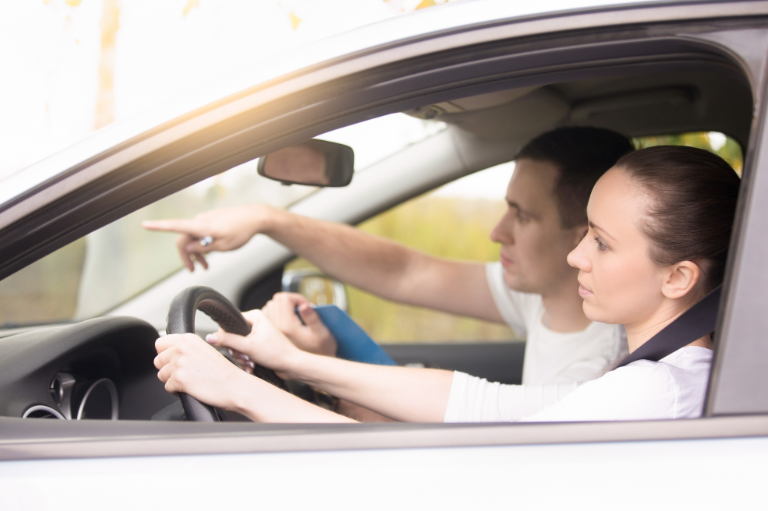
A learner license allows an eligible teenager to practice driving while accompanied by a qualified supervising driver.
The goal is to provide supervised experience before the teenager begins driving independently.
Parents can use this period to help their teen practice basic skills such as turning, changing lanes, parking, merging, and responding to traffic.
Supervised practice can also help teenagers learn how to handle different road and weather conditions.
What Is a Provisional License?
After meeting the required conditions, a teenager may qualify for a provisional driver’s license.
A provisional license provides greater independence but still comes with restrictions.
These restrictions are intended to reduce situations that may create additional risks for inexperienced drivers.
Are There Passenger Restrictions?
Yes, certain restrictions can apply to teen drivers carrying younger passengers.
The purpose is to reduce distractions inside the vehicle. Friends talking, using phones, playing music, or otherwise distracting the driver can make it harder for an inexperienced driver to focus on traffic.
There are exceptions in certain situations, including some circumstances involving family members.
Are Teen Drivers Restricted at Night?
Certain young drivers are restricted from driving during specified nighttime hours. Night driving can be more challenging because visibility is reduced and drivers may encounter different traffic conditions.
Some exceptions may apply for activities such as employment, school-related needs, or emergencies. Teen drivers should understand the exact conditions of their license rather than assuming they can drive at any time.
Can Teen Drivers Use Cellphones?
Under TRANSP § 545.424, Texas places restrictions on cellphone use by young drivers.
Teenagers should avoid texting, reading messages, or engaging with a phone while driving. Even when a particular action is not prohibited under a specific circumstance, taking attention away from the road can increase the chance of a crash.
Parents can help by setting a clear rule that phones stay out of reach while the vehicle is moving.
Why Are These Restrictions Important?
Teen drivers have less experience recognizing hazards and reacting to unexpected situations.
Graduated licensing gives them an opportunity to build experience over time.
Restrictions on passengers, nighttime driving, and cellphone use are intended to reduce some common distractions and risks while teenagers gain experience.
What Happens If a Teen Violates a Restriction?
Violating a licensing restriction can result in consequences for the young driver.
Depending on the circumstances, a violation may affect driving privileges or result in other legal consequences.
Parents should make sure teenagers understand that these restrictions are part of their license requirements.
How Can Parents Help Teen Drivers?
Parents can do more than simply enforce the legal restrictions.
They can establish household rules about speeding, passengers, nighttime driving, seat belts, and cellphone use. Parents can also encourage teens to practice driving in different conditions under appropriate supervision.
The goal is to help teenagers develop habits that continue after their legal restrictions end.
Key Takeaways
- Texas uses a graduated licensing system for young drivers.
- Teenagers generally gain driving experience in stages.
- Learner licenses involve supervised driving.
- Provisional licenses come with additional restrictions.
- Passenger limits may apply to certain teen drivers.
- Nighttime driving restrictions can apply during the provisional stage.
- Texas places cellphone restrictions on young drivers.
- Texas Transportation Code § 545.424 addresses certain young-driver restrictions.
- Parents can reinforce safe driving habits through practice and clear household rules.