
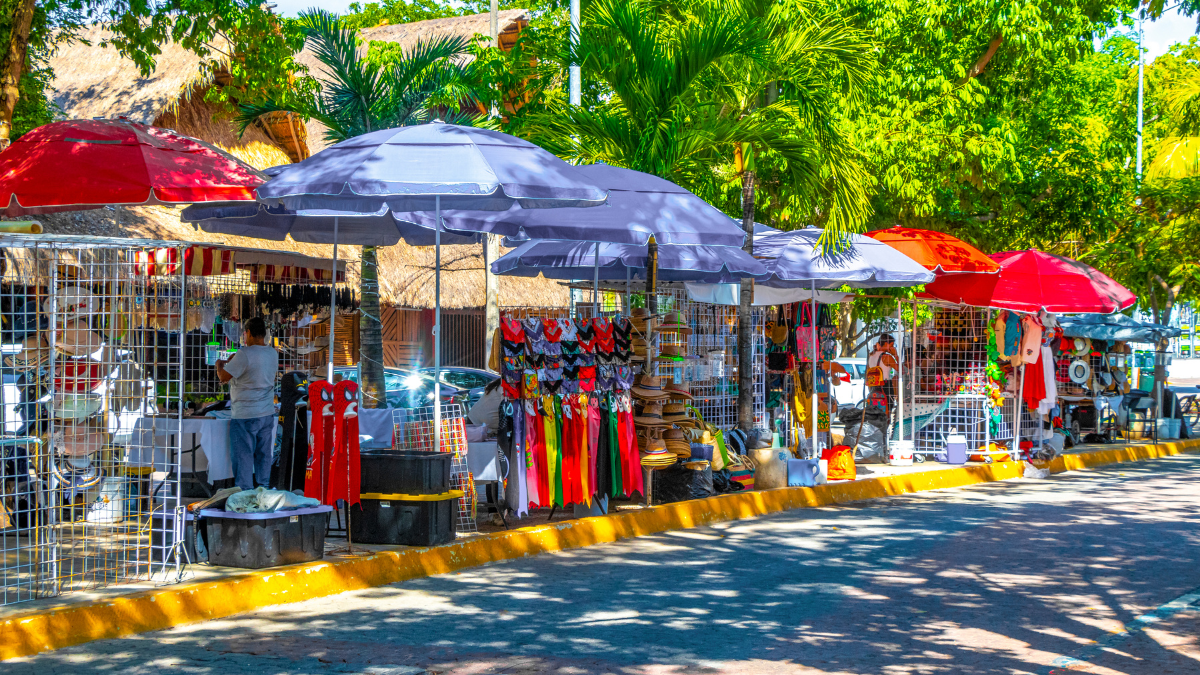
You do not need a giant field, a famous band, or several thousand wristbands to create a festival. Sometimes all it takes is a backyard, a shared courtyard, a community garden, or a friendly patch of grass—and permission to make the day a little more colorful than usual.
A tiny outdoor festival can be a birthday celebration, a neighborhood gathering, a creative meetup, or simply an excuse to interrupt an ordinary weekend. The goal is not to reproduce a commercial event on a smaller budget. It is to build a playful space where people feel welcome, curious, and free to participate.
Here is how to create one without turning a joyful idea into an exhausting production.
Begin With One Feeling
Before choosing decorations, food, or entertainment, decide how you want the gathering to feel.
Do you want guests to feel playful? Rested? Nostalgic? Connected? Wonderfully strange?
Choosing one emotional direction makes every later decision easier. A “childhood summer” festival might include bubbles, sidewalk chalk, popsicles, and a sprinkler. A “moonlight garden” gathering could feature paper stars, blankets, quiet music, and handwritten wishes. A “wear the thing” party might invite everyone to finally wear an outfit that has always felt too dramatic for everyday life.
Write the feeling at the top of your planning page. When a new idea appears, ask whether it supports that feeling. If it does not, you can let it go—even if it is a good idea on its own.
Keep the Guest List Human-Sized
A small event has a special advantage: people can actually encounter one another.
Invite enough guests to create energy, but not so many that you spend the entire day managing arrivals, supplies, and competing needs. Ten to thirty people can feel festive while still allowing real conversation.
You can also give guests a tiny way to contribute. Ask each person to bring a funny hat, a five-minute activity, an unusual snack, or one song for the playlist. Contributions create participation without making anyone responsible for an entire part of the event.
Make it clear that participation is optional. The happiest gatherings leave room for both enthusiastic joiners and people who would rather watch from a picnic blanket.
Create Three Simple Zones
Instead of filling the space with nonstop scheduled activities, divide it into three loose zones:
- A social zone: Chairs, blankets, food, and easy conversation.
- A creative zone: Chalk, postcards, collage materials, bubbles, costumes, or a communal art project.
- A quiet zone: A shady corner where guests can rest without feeling that they have left the party.
This arrangement makes the event friendlier to different personalities and energy levels. It is especially helpful for guests who become overwhelmed by noise, crowds, or continuous social interaction.
The quiet zone does not need to be elaborate. A few cushions, water, shade, and a sign saying “You are still part of the party” can be enough.
Choose One Memorable Activity
People rarely remember a packed schedule. They remember the one delightfully unusual thing everyone did together.
You might organize a bubble parade around the block, hold a five-minute costume contest, create awards for wonderfully specific achievements, or invite everyone to write an encouraging message for a stranger. You could build a cardboard town, make a group time capsule, or schedule a dramatic dance break at sunset.
Keep the instructions short and make the activity easy to join halfway through. Avoid activities that require people to perform alone unless you know your guests will enjoy that attention.
The purpose is not to impress anyone. It is to give the gathering a shared story.
Treat Technical Details as Part of Hospitality
Cables, lighting, speakers, and weather plans are less exciting than decorations, but handling them well helps everyone relax.
For a very small daytime gathering, battery-powered lights and a portable speaker may be all you need. If the event involves powered lighting, amplified sound, or equipment exposed to outdoor conditions, ask a qualified technician or electrician to design and inspect the setup. Equipment used outside should be suitable for the environment, including properly rated cables, covers, distribution equipment, and weather-resistant power connections.
Keep cables away from walkways whenever possible. Where crossing a route is unavoidable, use suitable cable protection rather than loose tape or improvised coverings. Have a plan for rain, identify where power can be shut off, and never assume that equipment intended for a living room is safe in damp outdoor conditions.
Any suspended lighting, scenery, speaker, or decorative structure requires additional care. Larger productions may require trained technicians, properly rated chain hoists, and approved rigging equipment for lifting lighting trusses and audio arrays. All loads, attachment points, and lifting equipment should be inspected by qualified professionals, and guests should never stand beneath suspended equipment.
Safety is not the opposite of playfulness. It is what allows people to be playful without having to stay alert for preventable hazards.
Plan for Weather Without Obsessing Over It
An outdoor gathering needs both a hopeful plan and a realistic backup.
Check the forecast, but decide in advance what conditions would cause you to move, postpone, or cancel. Communicate that policy to guests so you are not answering twenty separate weather questions on the morning of the event.
Provide shade in hot weather and have drinking water available. Secure lightweight decorations so they cannot blow into streets, trees, or neighboring properties. If rain is possible, identify a genuine sheltered alternative—not just a crowded spot where everyone will technically fit.
A backup plan is not an admission that the event will fail. It is a gift to your future self.
Make Food Easy to Recognize and Share
Festival food can be playful without becoming complicated. Choose items that can be prepared ahead of time, served safely, and eaten without elaborate utensils.
Label common allergens and include at least one option for guests with dietary restrictions. Keep cold food properly chilled and do not leave perishable items sitting outside for long periods. If guests contribute food, ask them to bring an ingredient list.
You can create a sense of occasion through presentation rather than volume: colorful labels, unusual names, mismatched trays, or a “snack tasting flight” made from inexpensive favorites.
People need enough to eat and drink. They do not need a twelve-course menu that leaves the host trapped in the kitchen.
Leave Empty Space in the Schedule
If every minute is planned, the event begins to feel like an obligation.
Leave time for guests to talk, wander, draw, rest, and invent their own entertainment. These unstructured moments are often where the best memories appear. Someone starts a ridiculous conversation. A child decides the cardboard boxes are now a spaceship. Two strangers discover a shared interest. The playlist produces an unplanned dance floor.
Your job is to create the conditions for joy, not control its exact arrival time.
Give the Festival a Gentle Ending
Small events often become tiring because no one knows when or how to leave.
Announce a clear end time on the invitation. Near the end, use one closing ritual: take a group photo, invite everyone to make a final toast, hand out tiny souvenirs, or ask guests to share one favorite moment.
Then allow the gathering to end. You do not need to stretch it until every bit of energy has disappeared.
A joyful event should leave people wishing for another half hour—not quietly wondering whether they are allowed to go home.
Let “Enough” Be the Standard
Your tiny festival does not need professional decorations, flawless weather, or a perfectly curated guest experience. Something will probably be forgotten. A decoration may fall down. The playlist may briefly become strange. That does not mean the gathering failed.
If people felt welcomed, experienced something outside their routine, and left with one good story, the event did what it came to do.
The most meaningful celebrations are not always the largest or most polished. Sometimes they are simply small pockets of color that remind us life does not have to feel ordinary every day.