
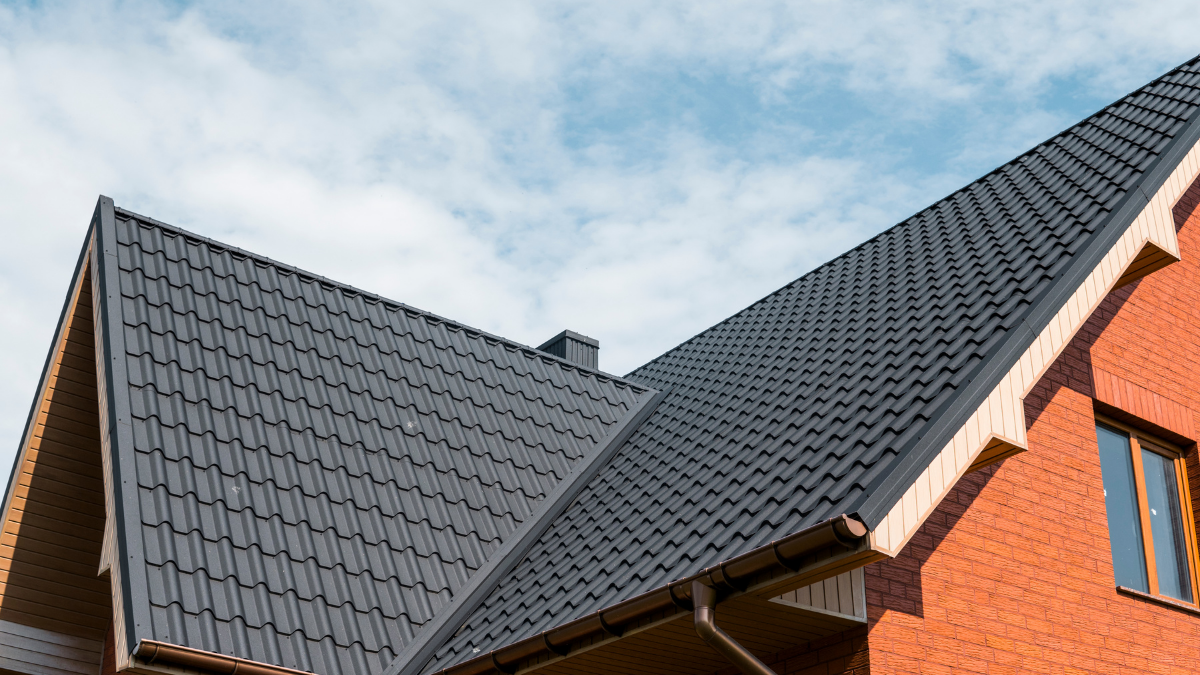
You’ve patched the same spot twice this year, and your gut says the third leak is coming. Here’s the hard truth: that patch is a bandage, not a fix. Most homeowners wait until water stains bloom on the ceiling before they even think about the word “replacement.” By then, the repair bill has quietly turned into a demolition project. I get it, roofs are invisible until they aren’t. But knowing the exact moment a repair stops making sense can save you thousands and a lot of sleepless nights staring at storm clouds.
This guide walks you through the five signs that your roof has crossed the line from patchable to replaceable, plus a 3AM test you can run tonight, no ladder required. I’ll also break down what actually drives the cost difference, because “just fix the leak” is rarely just a leak.
What Does “Beyond Repair” Actually Mean?
Here’s the thing nobody tells you: a roof is a system, not a surface. When you look at shingles curling at the edges, you’re not looking at cosmetic aging. You’re looking at the waterproof barrier failing, and once that barrier breaks, water finds every seam underneath it. A repair works when the damage is isolated. A leak over the garage, one missing shingle after a storm, a small puncture from a fallen branch. Those you can fix and move on.
But when the damage spreads across multiple slopes, or the decking underneath has started to rot, you’re paying for a repair on a foundation that’s already gone. That’s like replacing a screen door on a house with no walls. So the real question isn’t “can this be patched?” It’s “what else is hiding under this patch?” I’ve seen homeowners spend $800 on a repair that hid $4,000 worth of decking rot underneath. The patch was fine. The roof wasn’t.
The age of your roof matters more than you’d think. Most asphalt shingle systems are built for a 20 to 25 year life, but lake-effect snow and high winds can shave years off that number fast. If your roof is past its prime and you’re fixing multiple spots, you’re not maintaining a roof. You’re propping it up.
Five Signs It’s Time to Stop Patching
You don’t need a contractor to tell you the obvious stuff. Grab a pair of binoculars, walk across the street, and look at your roofline with fresh eyes. Watch for these five red flags:
- Shingles that are curling, cupping, or missing granules. When shingles curl upward at the edges, the wind can lift them like tiny sails and pull water underneath. Granules in the gutter mean the protective coating is wearing thin, and that’s not a surface issue, it’s a structural one.
- Daylight in the attic. If you can see pinpricks of light through the roof sheathing from inside your attic, the decking has shifted or rotted. Repairs can’t fix a deck that’s no longer solid.
- Sagging rooflines. A dip in the ridge or a soft spot when you press on the roof surface means the structural support underneath has been compromised by years of moisture. That’s a safety issue, not a cosmetic one.
- Multiple leaks in different rooms. One leak is an incident. Two leaks on opposite sides of the house is a pattern. When water is finding several entry points, you’re chasing a system failure with single-point fixes.
- Widespread moss or algae growth. A little moss in a shaded corner is normal. When it’s creeping across a whole slope, it means moisture is being trapped against the shingle surface 24/7, which accelerates every other kind of degradation.
If you’re nodding along to three or more of these, you’re not at the repair conversation anymore. You’re at the replacement conversation, and the only real question is how long you’re willing to gamble with your ceiling drywall.
One more thing worth checking quickly: walk around your house and look at the siding near the roofline. Water that overflows or backs up under the shingles will streak down exterior walls. Those streaks are the roof’s way of telling you it’s already lost the fight.
Run the 3AM Test Tonight
Here’s a framework I use with every homeowner who calls me unsure, and it works because it costs nothing and takes ten minutes. I call it the 3AM test, named after the hour when every roof leak feels like the end of the world. Set a reminder on your phone for a rainy night, grab a flashlight, and head to the attic. Like, actually go up there. Most people never step foot in their attic after they buy the house, and that’s the exact space where your roof tells the truth.
Bring a notepad. Mark down every stain you find, even the dry ones. Old stains that haven’t grown in years are history. New stains, or old ones that are larger than your last memory of them, are active problems. Then check the insulation. Water that’s been sitting in fiberglass insulation will mat it down flat, and that changes how it performs. If your insulation is compacted near any stain, you’ve got moisture actively trapped there.
Finally, run your hand along the underside of the roof decking. Feel for soft spots, dampness, or any spot that gives under pressure, like pressing on a bruised apple. A solid deck is hard and unyielding. A rotten one will compress slightly and spring back, but it’ll feel wrong. Trust that feeling.
If the 3AM test reveals more than two active areas of concern, skip the repair quote and get a replacement estimate. You’ll save yourself the cost of the first repair, the second repair, and the drywall work that follows both.
What Replacement Actually Costs You (and What It Saves)
Let’s talk numbers, because the sticker shock is what scares most people into one more patch. A full roof replacement runs significantly higher than a single repair, no surprise there. But the math flips when you count the repeat repairs. The Federal Emergency Management Agency documents that water damage from roof leaks is one of the most common homeowner insurance claims, and the cleanup cost routinely multiplies the original repair estimate. A $600 repair that keeps failing can turn into a $6,000 interior restoration in one bad storm season.
Meanwhile, a new roof does more than stop leaks. It changes your home’s physics. Modern reflective shingles and proper attic ventilation reduce the heat load on your top floor, and the U.S. Environmental Protection Agency’s Energy Star program estimates that proper roof reflectivity can cut cooling costs by around 7 to 15 percent depending on your climate zone. That’s a monthly savings that never existed with your old, heat-soaking roof.
There’s also the resale angle. Homes with a documented recent roof replacement sell faster and command higher offers because buyers know they’re not inheriting a time bomb. In a competitive market, a new roof is one of the few upgrades that pays back more than it costs at closing time.
I’d take a hard pass on financing a new roof with credit card debt, but plenty of roofing contractors offer payment plans that spread the cost over a few years without interest. If the choice is between a third repair this year or a payment plan on a replacement, the replacement wins every time. You’re buying 20 years of silence instead of six months of quiet.
How to Get an Honest Assessment
When you’re ready for real answers, call a contractor who inspects before they quote. Any company that gives you a price over the phone without looking at your roof is quoting you a guess, and you’ll pay for that guess later. A proper inspection covers three things: the shingle condition, the decking integrity, and the flashing and vent boots. The flashing is the metal around chimneys and skylights, and it fails long before the shingles do. If a contractor doesn’t mention flashing, they’re not looking carefully.
Ask every contractor this exact question: “If this were your house, would you repair or replace?” Listen to the reasoning, not just the verdict. A good contractor teaches first and sells second. They’ll show you photos of the damage, explain the difference between surface wear and structural decay, and walk you through the warranty language without rushing.
Be wary of anyone who quotes “spot fixes” on a roof over 18 years old with widespread granule loss. That’s a roofer betting against your inspection, and you’re the one who loses. A second opinion is cheap insurance, and most roofers give free estimates precisely because they know an informed customer picks the right solution the first time.
If you’re in an area with heavy winter weather like Northeast Ohio, pay extra attention to the contractor’s ice dam strategy. The Occupational Safety and Health Administration reports that falls from ladders are a leading cause of serious workplace injuries in construction, which is a reminder that your roofer’s safety plan is actually your liability plan. A contractor who rushes onto a steep, wet roof without proper harnesses is a contractor who might end up on your homeowners insurance claim later.
Making the Call
I’ll be direct with you: if you’re asking whether it’s time to replace your roof, you probably already know the answer. The patch-first mindset is a money pit, and every repair on an aging system just buys you time to save up for what’s coming.
Do the 3AM test tonight. Count the active stains, feel the decking, and be brutal about whether you’re maintaining a roof or propping one up. If you’re leaning toward replacement, get two real inspections before you commit, and trust the contractor who shows you the problem rather than the one who just quotes a price.
If you’re in Mentor, Ohio, and the decision is finally made, reaching out about replacing Mentor home’s roof with a team that inspects first and sells second is the smartest next step you can take. Ask them about the 3AM test. The good ones will appreciate that you already did your homework.
Your roof is the only thing standing between your family and the sky. When it’s done, it’s done. The question is whether you’d rather write one big check or a hundred small ones, with a few ceiling repairs sprinkled in for flavor. I know which one I’d pick.