
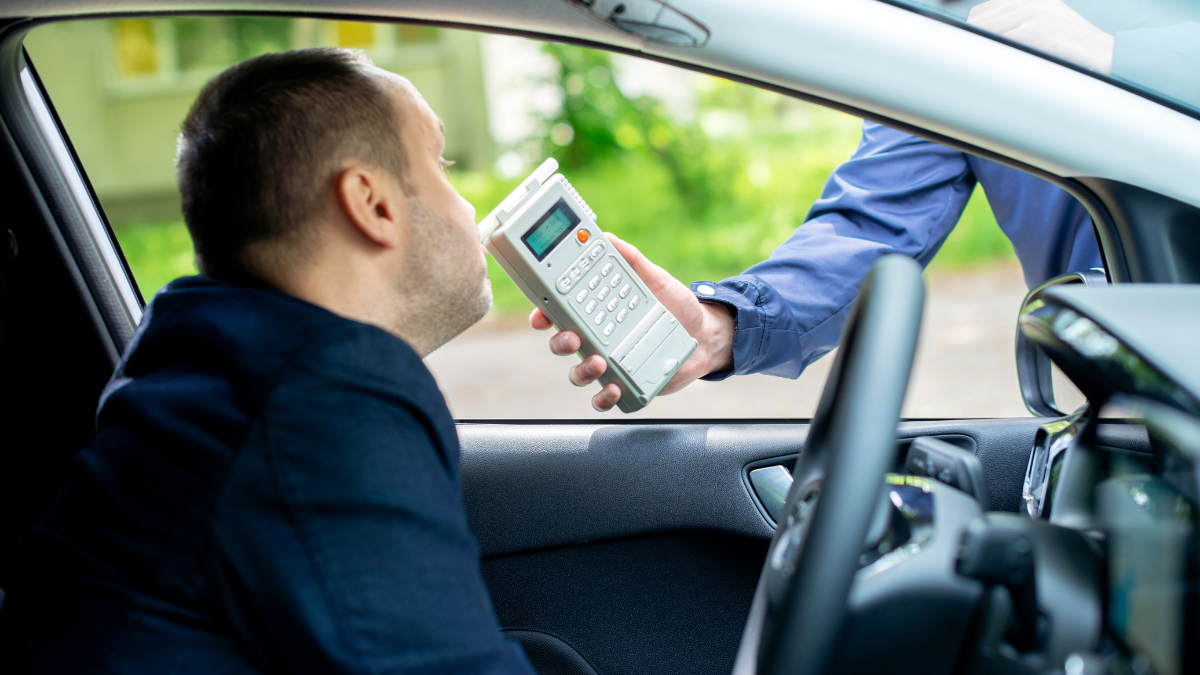
According to the National Highway Traffic Safety Administration, 11,904 people were killed in alcohol-impaired driving crashes in the United States in 2024, representing about 30% of all traffic fatalities. While this may be a decrease from 12,429 deaths in 2023, alcohol-impaired driving remains to contribute substantially to fatal crashes nationwide.
Impaired-driving terminology also varies by state. The same general conduct may be referred to as DUI in one state and DWI in another, while some states use both terms to describe different offenses or levels of impairment. As such, this makes these laws more confusing to understand.
One Offense, Different Names
Driving under the influence, or DUI, is more common nationally, used in some form in more than 30 states. About ten states go with driving while intoxicated, or DWI, instead, and a few other places lean on their own wording, like operating under the influence.
In most areas, the label is basically statutory language and, usually, doesn’t come with any legal distinction. But a couple states step out of that usual pattern.
Maryland treats DWI like the lesser charge, saving it for a blood alcohol concentration near 0.07 percent, while DUI kicks in at 0.08 percent and up.
New York does the reverse, making DWI the tougher charge and DWAI, or driving while ability is impaired, the lesser offense.
Texas uses DWI for adult drivers and reserves DUI for drivers under 21 with any detectable alcohol in their system. Florida does not distinguish between the terms at all and charges every case as a DUI.
What the State Has to Prove
Regardless of which label a state uses, prosecutors generally rely on one of two legal theories. Per se laws make it illegal to drive with a blood alcohol concentration at or above a set threshold, regardless of whether the driver appears impaired. Impairment-based laws instead require the state to show that a driver’s ability to operate a vehicle safely was actually affected and that this kind of thing can be proven with no chemical test at all.
The federal standard most states use for the per se limit is 0.08 percent, though a few states set it lower, and nearly every state also imposes stricter zero-tolerance limits for drivers under 21, plus smaller thresholds for commercial drivers, often around 0.04 percent.
Why the State Matters
Because impaired driving is prosecuted under state law, the elements of the charge and the resulting penalties vary considerably depending on where the arrest occurs.
North Carolina, for instance, defines DWI as operating a vehicle in a public place while impaired by any substance and assigns a sentencing level, from one to five, based on aggravating and mitigating circumstances present in the case, an approach the Statesville DWI lawyer practice at Ralston Benton Byerley & Moore addresses in describing how the state’s level-based system affects sentencing outcomes.
Other states use a more uniform penalty structure keyed primarily to the number of prior offenses within a set lookback period, commonly seven to ten years, rather than a graduated severity scale.
Common Defense Strategies
A DUI or DWI arrest does not automatically mean a conviction. There are defense strategies that can be used to minimize the sentence or eventually dismiss the case.
Field sobriety tests are the most common evidence challenged. The usual defense is that they were administered incorrectly or that conditions like lousy lighting, uneven pavement, or a driver’s own medical background made the results less reliable. Breath and blood test results can be questioned too if the instruments were not properly calibrated or maintained or if the officer didn’t follow required steps during the testing process.
Building a strong defense usually starts with understanding how prosecutors actually put these cases together and where the evidence might be weaker than it looks. DUI lawyer Daniel Kolacia brings a former prosecutor’s perspective to that work, looking closely at the traffic stop itself, the field sobriety tests, the chemical testing, the BAC evidence, and whether a plea negotiation makes sense. And the BAC threshold that applies isn’t always the standard one.
Specific circumstances of the case can significantly affect how the law applies. Rules may vary based on different factors. It could be the driver’s age, probation status, use of a commercial vehicle, or whether passengers were present.
The phrasing might feel different from state to state. The risk level tends to stay about the same. Convictions have different consequences. They may have their license suspended or pay penalties. In addition, convicted individuals are required to attend education or treatment programs and, in certain situations, jail time, which often hangs around on a driving record for years afterward.
Anyone facing a charge should also try to understand which theory the state is leaning on to prosecute the matter and what defenses are realistically available under that state’s law because the right strategy in one place might not really work at all in another jurisdiction.