
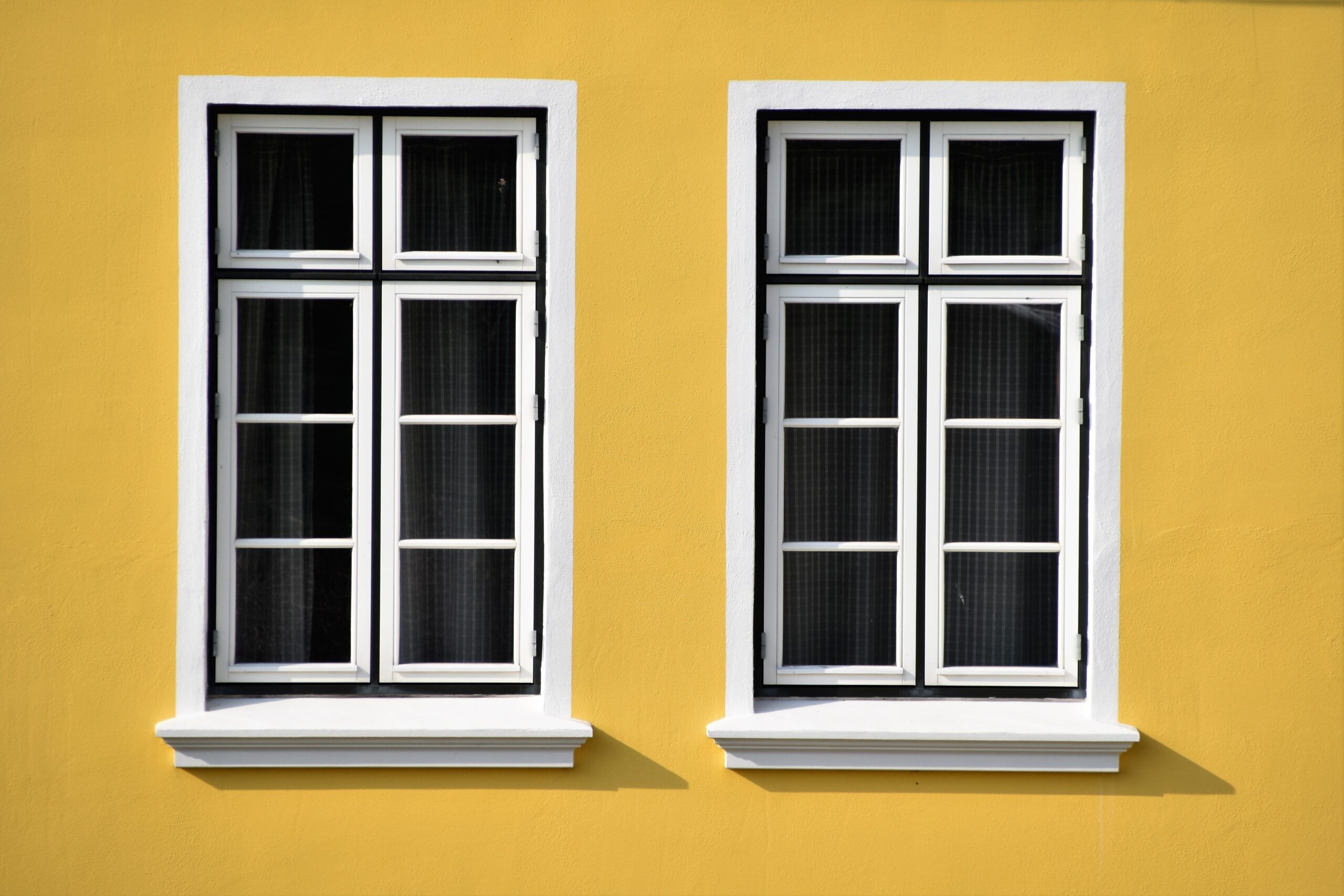
If you’re thinking about new windows, you’re probably balancing looks, comfort, cost, and long-term value all at once. In Houston, that decision carries extra weight because windows have to perform through long periods of heat, humidity, strong sun, and severe weather. NOAA’s 1991–2020 climate normals show just how persistent the cooling demand can be, with Houston-area climate data recording extended stretches of 90°F-plus weather. There is also substantial property value to protect: the median value of an owner-occupied home in Houston was $277,800 for 2020–2024, with more than 930,000 households across the city. Choosing windows with appropriate insulation, solar-heat control, durability, and weather resistance can therefore make a meaningful difference in comfort and long-term home performance.
Start with your climate, not just the style
A lot of homeowners begin by comparing frame colors or grille patterns. That part matters, but your local weather should make the first cut. Houston homes deal with intense sun, heavy rain, humidity, and occasional severe storms. Windows that look good in a showroom can perform very differently after a long August afternoon.
Look at energy performance labels, glass packages, and frame durability before you get distracted by cosmetic upgrades. Low-E coatings, insulated glass, and strong seals can help reduce heat transfer and indoor temperature swings. If you’re exploring replacement windows in Houston, it makes sense to focus on products built for coastal weather pressure, moisture resistance, and storm protection. Pretty windows are nice. Pretty windows that also survive real weather are better.
Know the main window materials before you commit
Window material affects maintenance, price, insulation, and lifespan. Vinyl is popular because it’s cost-effective, low maintenance, and resistant to moisture. For many homes, it hits the sweet spot between performance and price. Aluminum offers slim frames and a modern appearance, but it can transfer heat more easily unless it includes thermal improvements.
Wood has undeniable visual appeal, especially in older or custom homes, though it usually needs more upkeep in humid environments. Fiberglass is strong, stable, and energy efficient, but often comes with a higher price tag. None of these options is automatically the best. The right fit depends on your budget, the style of your house, and how much maintenance you’re willing to tolerate. If painting and sealing every few years sounds like a terrible hobby, pay attention to that instinct.
Pay close attention to energy efficiency ratings
Window stickers can look like alphabet soup, but those ratings tell you a lot. U-factor measures how well a window prevents heat from escaping. Solar Heat Gain Coefficient shows how much solar radiation gets through the glass. In a warm climate, lower solar heat gain often matters quite a bit.
Visible Transmittance measures how much natural light comes in, which helps if you want bright rooms without turning your house into a greenhouse. Air leakage ratings also deserve attention, since drafty windows can quietly increase your cooling costs. Ask how the full window performs, not just the glass. Great glass in a weak frame is like putting premium tires on a shopping cart. You want the whole unit to work together. Better efficiency can improve comfort room by room, especially in spaces that get hammered by afternoon sun.
Think about function room by room
Not every window in your home needs to do the same job. A bedroom window may need easy operation, ventilation, and egress compliance. A large living room window may prioritize light and views. A bathroom window often needs privacy and moisture resistance. In kitchens, easy cleaning can become a major perk once grease and dust start collecting.
Double-hung windows are common because they’re versatile and simple to use. Casement windows can seal tightly and open wide for ventilation. Sliding windows work well in spaces where you don’t want a sash projecting outward. Picture windows bring in light but don’t open, so they’re often paired with operable units. Think about your actual habits. Do you open windows often, or almost never? Do you need easier access for cleaning on the second floor? Good design gets practical very quickly.
Installation quality can make or break the investment
Even a high-end window can underperform if the installation is sloppy. Poor flashing, weak sealing, and uneven fitting can lead to drafts, leaks, and moisture damage inside the wall. That kind of problem tends to stay quiet until it becomes expensive, which is rude but very on brand for home repairs.
Ask installers about measurement methods, waterproofing details, and how they handle existing trim, siding, or stucco. Check whether permits are needed and who manages them. Warranty coverage matters too, especially the difference between product warranties and labor warranties. A strong product guarantee doesn’t help much if the issue comes from installation errors. Reviews, photos of past projects, and clear written estimates can help you spot professionals who treat window replacement like precision work rather than a speed run.
Balance budget with long-term value
It’s tempting to shop by lowest quote alone, especially when replacing multiple windows at once. Still, the cheapest option can get expensive if it performs poorly, needs repairs early, or drags down energy efficiency. The better approach is to compare total value over time.
Look at durability, efficiency, maintenance needs, warranty terms, and storm resistance alongside the upfront price. A more expensive window may reduce cooling costs, increase resale appeal, and hold up better in extreme weather. You should also ask what is included in the quote. Disposal of old windows, trim work, permit fees, and interior touch-ups can change the real cost. Good contractors explain these details clearly instead of hoping you won’t notice until the invoice arrives. Transparency is a feature, not a bonus.
Match the new windows to your home’s character
New windows should improve your home, not make it look oddly out of sync. A sleek contemporary frame may look great on a modern build but feel awkward on a traditional brick house. Grid patterns, frame thickness, color, and window shape all affect curb appeal more than many homeowners expect.
Try to keep the architectural style in mind while still upgrading performance. If your home has a historic or distinctive exterior, ask about options that preserve the look without sacrificing energy efficiency or storm protection. Inside the house, think about sightlines, natural light, and how windows frame furniture layouts and daily living spaces. The goal isn’t to freeze your home in time. It’s to make thoughtful updates that feel intentional. When the style and function line up well, the result looks natural instead of newly replaced.
Make your final choice with a checklist, not a guess
Once you narrow the options, compare them using the same criteria each time. Write down frame material, glass package, efficiency ratings, warranty details, installation scope, lead time, and total cost. That kind of side-by-side review cuts through marketing language quickly.
You should also ask how the windows will perform during peak summer heat, heavy rain, and storm season. If you plan to stay in your home for years, prioritize comfort and durability. If resale is on your mind, focus on broad appeal and proven performance. New windows are one of those upgrades you notice every day once they’re done right. Better light, less noise, fewer drafts, and lower maintenance can change how your home feels in a very practical way. That’s a solid payoff for a decision worth making carefully.