
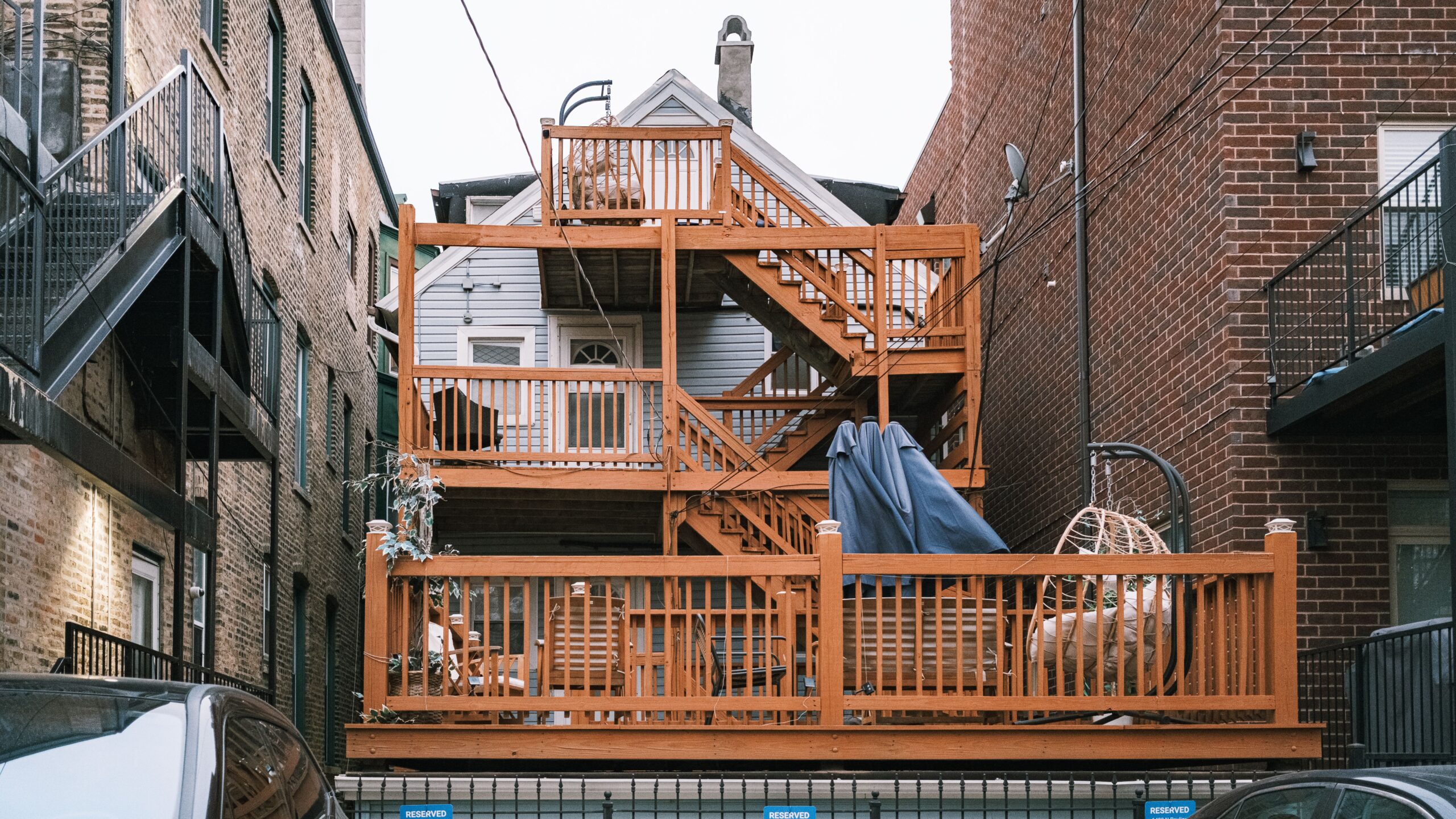
Your deck can be the best seat in the house, especially if you live in a place like Plainfield where seasonal changes affect how you use outdoor space. Plainfield, Illinois, experiences average annual temperatures ranging from winter lows near 20°F to summer highs in the mid-80s, with about 38 inches of precipitation each year, according to climate data from NOAA. Those conditions can influence material choices, maintenance needs, and how often you’ll actually enjoy your deck throughout the year. A good deck isn’t just about boards and railings. It needs to fit your routines, your yard, and your climate. If you plan it well, you get an outdoor area that feels useful instead of expensive-but-awkward.
Start With How You’ll Really Use the Space
Before you think about color swatches or railing styles, get brutally honest about how you’ll use the deck. Not the fantasy version with artisanal lemonade and string quartets. The real version. Maybe you want room for a grill, a dining set, and two people trying not to bump elbows.
Write down your top priorities:
– Family dinners outside
– Hosting friends on weekends
– A quiet reading corner
– Space for a hot tub or fire table
– Safe access to a pool or backyard
Once you know the purpose, size becomes easier to judge. A tiny platform may look neat in photos but fail hard when six chairs and a cooler show up. Think in terms of movement too. You need walking room, not just furniture room. If your deck becomes a traffic jam, the layout has already lost.
Work With a Builder Who Understands Local Needs
Picking the right contractor isn’t a small detail. It influences safety, durability, design quality, and how smoothly the whole project moves. You want someone who understands local codes, permit requirements, and weather patterns, not someone treating your yard like a generic template.
If you’re comparing options in Illinois, working with a deck company in Plainfield can help you build around real conditions such as freeze-thaw cycles, storm exposure, and seasonal wear. Local experience often means smarter recommendations on framing, drainage, footing depth, and material performance.
Ask practical questions before signing anything:
– Are permits included?
– What materials do you recommend for this site?
– How do you handle drainage and grading issues?
– What is the project timeline?
– What warranty coverage is offered?
A polished sales pitch is nice. Clear answers are better.
Pay Attention to Your Yard’s Shape and Conditions
A deck should respond to your yard, not fight it. Slopes, drainage, sun exposure, and existing landscaping all matter more than many homeowners expect. A flat, open yard gives you flexibility. A sloped lot may push you toward a raised design with stairs, skirting, or built-in storage underneath.
Watch how sunlight moves across the yard during the day. Full afternoon sun can turn a deck into a frying pan by July. Wind exposure matters too, especially if you want umbrellas, privacy screens, or lightweight furniture that won’t go airborne like it has personal ambitions.
You should also check:
– Drainage around the house
– Soil stability
– Distance from trees and roots
– Existing patios, doors, and walkways
– Utility lines or easements
These details shape design decisions early. Ignore them, and you may end up solving expensive problems after construction starts.
Choose Materials Based on Maintenance, Not Just Looks
Deck materials can make or break your long-term satisfaction. Wood has classic appeal and warmth, but it often asks for more attention. Composite decking usually costs more upfront, though it tends to reduce sanding, staining, and seasonal repair work.
If you like the natural look of wood, pressure-treated lumber remains common because it’s affordable and sturdy. Cedar and redwood offer visual appeal, but budget and local availability can shift that choice. Composite products often attract homeowners who want a cleaner maintenance profile and consistent appearance.
As you compare materials, consider:
– Upfront cost
– Lifespan
– Slip resistance
– Heat retention in direct sun
– Color fading over time
– Cleaning and repair needs
A beautiful deck that demands constant upkeep can lose its charm quickly. You’re building an outdoor living area, not adopting a high-maintenance side project with a tool addiction.
Don’t Skip Design Features That Improve Daily Use
The most satisfying decks often succeed because of small design choices, not just square footage. Built-in benches, lighting, shade structures, wide stairs, and privacy panels can dramatically improve how the space feels. These features add comfort and convenience without needing a huge footprint.
Lighting deserves special attention. Low-voltage stair lights and post cap lights improve safety and make the deck usable after sunset. Railings affect both style and sightlines. If you’ve got a nice backyard view, bulky railing systems may block more than you expect. Partnering with a reliable handrail contractor near me allows you to customize custom railing designs that maximize your view while elevating both the safety and aesthetic appeal of your outdoor space.
Useful add-ons to consider include:
– Built-in seating
– Pergolas or partial shade covers
– Planter boxes
– Hidden fasteners for a cleaner surface
– Storage benches
– Gate access for kids or pets
Think about who uses the space most. Older adults may need easier stair access. Families with kids may care more about rail spacing and durable surfaces. Good design feels tailored, not random.
Budget for the Full Project, Not Just the Deck Boards
A deck budget often grows once real decisions start rolling in. Homeowners usually price the platform first, then realize lighting, stairs, permit fees, railings, demolition, and site prep are separate line items. That’s how “reasonable” turns into “wait, how much?”
Build your budget around the full scope from the start. Include labor, materials, design upgrades, and a contingency for surprises. If your old structure has hidden rot or your yard needs extra grading, that reserve can save you from major stress.
Keep these cost drivers in mind:
– Size and height of the deck
– Material choice
– Custom railings and stairs
– Built-in features
– Permit and inspection fees
– Site preparation and removal work
It’s smart to prioritize must-haves over nice-to-haves. You can often add décor later. Structural choices, layout, and core features should be right the first time.
Think Beyond Installation and Plan for Long-Term Value
A well-built deck gives you immediate enjoyment, but it also affects resale appeal, maintenance demands, and how your backyard functions for years. Buyers notice outdoor living space, especially when it looks integrated with the home rather than tacked on as an afterthought.
To keep your investment working for you, create a simple maintenance plan. Sweep debris regularly, clean surfaces seasonally, inspect railings and fasteners, and watch for moisture buildup around the ledger and stairs. Composite decks need less fuss, though they still benefit from routine cleaning.
A strong deck should do three things well:
– Fit your lifestyle
– Hold up in your climate
– Add practical value to your property
If it manages all three, you’ve built more than a platform. You’ve created a space you’ll actually use, from spring cookouts to crisp fall evenings when a jacket suddenly becomes part of the seating arrangement.