
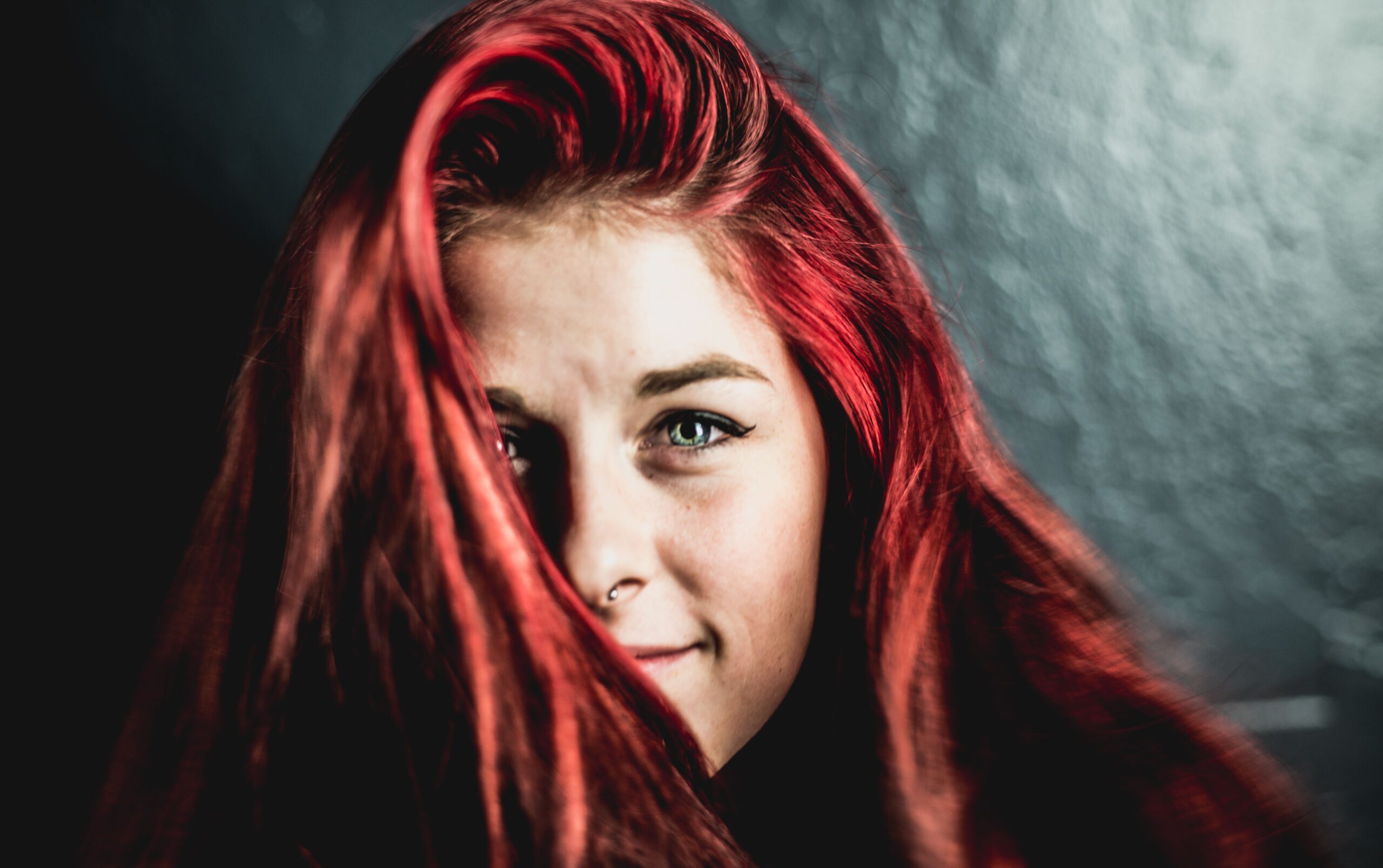
Your hair speaks before you do. It announces who you are, what you’re feeling, and sometimes what you’re trying to become.
Hair is more than just a physical feature—it’s a symbol of individuality, culture, and personal expression. The way we wear our hair can speak volumes about who we are, where we come from, and how we see ourselves.
Every person who has ever made a bold color choice or tried a new cut knows the truth: what happens on your head connects directly to what’s happening inside your heart.
The decision to change your hair is rarely just about aesthetics.
The psychology of hair dye is a fascinating area that touches on self-expression, identity, social perception, and emotional transformation. For many, changing hair color is more than a simple style choice; it can be a powerful way to explore identity, adapt to life changes, or assert independence.
Whether you’re going darker for winter, lighter for summer, or choosing something completely unexpected, you’re making a statement about your internal landscape.
The Psychology Behind the Mirror
Hair color is a visible, changeable feature, and for many, it becomes an extension of their personality. By altering their hair color, individuals can reflect how they feel on the inside or how they want to be perceived by others.
This relationship between appearance and identity runs deeper than vanity.
Hair plays a critical role in enhancing physical appearance, self-esteem, and identity.
When someone chooses to dye their hair bright purple or to cut it all off, they’re engaging in something psychologists recognize as identity work. The physical transformation becomes a mirror for emotional shifts happening beneath the surface.
A survey found that 70% of those with vibrant colors reported feeling more confident in social settings, highlighting the powerful connection between self-expression and self-esteem.
That confidence isn’t manufactured. It emerges from the alignment between how you feel and how you appear.
Maintaining the Canvas You Create
Once you’ve taken the leap toward a new color or dramatic style, the question becomes how to keep it looking fresh and feeling authentic to who you are. The maintenance matters as much as the initial transformation.
Products for colored hair preserve vibrancy and protect the integrity of your strands while you navigate this form of ongoing self-creation. Color-depositing shampoos and conditioners extend the life of your hue without constant salon visits.
The practical side of maintaining colored hair shouldn’t overshadow the deeper meaning.
Hair allows us to express parts of ourselves that may be difficult to communicate through words alone. The colors, styles, and lengths we choose give others a portal into our personal preferences, values, and aspirations.
Taking care of your color becomes another way of honoring the decision you made to show the world something true about yourself.
Personal style extends beyond clothing into every aspect of how we present ourselves, including our hair choices.
Cultural Threads and Personal Stories
Hair has been an expression of cultural identity and a significant symbol of religious, ethnic, or national identity. Hairstyles indicate one’s age, affiliations, ethnicity, religion, and social status, and many ethnic and cultural groups use hair to define and even reclaim their identities.
The decision to wear your natural texture, to lock your hair, or to color it in ways that feel authentic to your heritage connects you to generations of people who understood that hair is never just hair.
Analyzing data of 10,560 Facebook users, researchers found that individuals who are more authentic in their self-expression also report greater Life Satisfaction.
This connection between authenticity and well-being reinforces what many people already know instinctively: showing up as yourself, even in something as seemingly simple as your hairstyle, contributes to your mental health.
According to the Substance Abuse and Mental Health Services Administration, components of mental health include an individual’s emotional, psychological, and social well-being. Mental health influences day-to-day feelings, activities, and functions that range from a sense of social connection, participation in physical activity, eating habits, work productivity, academic performance, and self-esteem.
The Courage in Transformation
Hair coloring is one of the most common and accessible forms of self-expression in modern culture. Beyond its aesthetic role, the act of changing hair color often reflects an internal desire for renewal, emotional release, or empowerment.
Every dramatic before-and-after photo tells a story about someone who decided they were ready for something new, something that matched who they were becoming rather than who they had been.
The transformation doesn’t always require color. Sometimes it’s about length, texture, or simply wearing your natural hair in a world that has told you to do otherwise.
By choosing a bold color, individuals can assert their individuality and explore how they relate to the world around them. In more conservative cultures or families, dyeing hair can be an act of defiance, a way to push back against prescribed norms and showcase personal autonomy. This choice to diverge from traditional expectations is a powerful means of self-assertion that can be both liberating and confidence-building.
What you do with your hair becomes a declaration of identity that doesn’t require explanation or permission. It simply exists as evidence that you’re willing to show the world something real about who you are right now, in this moment, regardless of what anyone else thinks about it.