
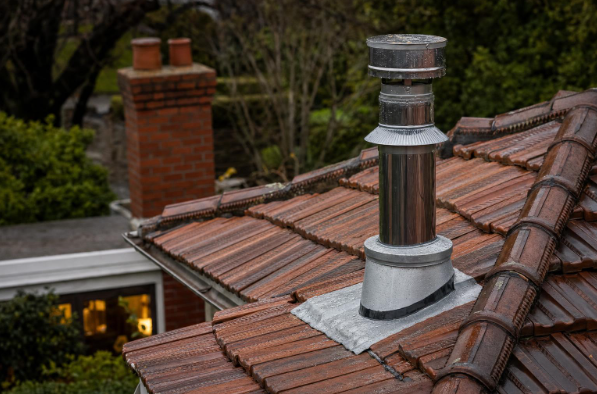
Picture a Melbourne winter evening. Rain taps the window, the kettle is on, and a warm glow softens the room. A fireplace can add that kind of comfort to your home, along with useful heat and character.
Choosing one is about more than picking a style you like. In Victoria, safety and compliance come first. Once those basics are clear, it becomes much easier to compare fuel types, layouts and finishes.
This guide walks through a quick fit check, key local rules, common fireplace types and simple ways to make your cosy home design feel practical and personal.
Start With a Quick Fit Check
- Is your main goal steady heat, ambience, or both?
- Will the fireplace go in a house, townhouse, or apartment?
- Do you have access to gas, a suitable power supply, or space for wood storage?
- How large is the room you want to warm?
- Do you rent or own the property?
Know the Melbourne Rules First
Safety and compliance should always come before style. These points apply across Victoria and are worth checking early.
- Installing a solid fuel heater is mechanical services plumbing work. Only registered or licensed practitioners can do it, and they must be able to issue a compliance certificate.
- In Monash, for example, you usually do not need a building permit for a wood heater, but a registered plumber must install it and provide a plumbing Certificate of Compliance.
- Solid fuel heaters must be certified to AS/NZS 4012 and AS/NZS 4013 and installed to AS/NZS 2918, with proper clearances, flue termination and ventilation.
- New wood heaters sold in Australia from 8 August 2019 must meet particle emissions of 1.5 g/kg or lower and efficiency of 60 percent or higher.
- Since 1 August 2022, Victoria has banned the sale or installation of open-flued gas space heaters that lack an automatic shutdown under negative pressure spillage conditions.
- Victoria also prohibits new indoor flueless space heaters, except for limited like-for-like LPG replacements.
Do not treat a solid fuel or gas unit as a do-it-yourself job. The rules exist to protect your home and the people in it.
Choose a Type That Fits Your Home
Wood
A slow combustion heater or insert warms a room far better than an open hearth. Plan for dry fuel storage and be mindful of smoke. EPA Victoria notes that wood heaters and open fireplaces are a major source of air pollution, and residents have a General Environmental Duty to minimise smoke.
Gas
Room-sealed gas units can suit many homes because they are efficient and contained. Check the limits on older open flued models, and book a licensed gasfitter to service any gas heater every two years.
Electric
Electric fireplaces suit small spaces and apartments. Installation is usually simple, and EPA Victoria suggests considering electric reverse-cycle heating on still days when air quality matters.
Size and Layout Tips
Open fireplaces look appealing but waste a lot of heat. They can lose up to around 90 percent of their warmth up the chimney. Also note nearby curtains and cozy window textures so soft furnishings stay well outside the heater clearance zone. A damper helps seal the flue and reduce heat loss when the fire is not in use.
Inserts, slow combustion heaters and room-sealed gas units warm a room more effectively. Zone heating the spaces you actually use often works better than trying to heat the whole home.
Safety and Maintenance Ritual
A simple routine keeps your fireplace working safely. The CFA recommends keeping clothes and other combustibles at least 1 metre from any heater and turning heaters off before bed.
- Keep a 1 metre clear zone around every heater.
- Book an annual chimney sweep for wood heaters.
- Burn only dry, untreated hardwood and never let a fire smoulder overnight.
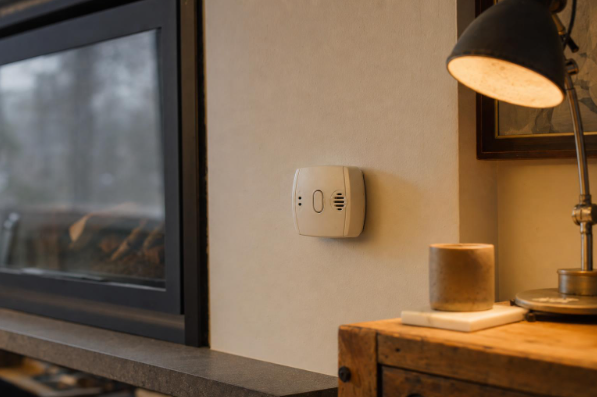
- Install and test a carbon monoxide alarm near gas units.
- Have a licensed gasfitter service gas appliances every two years.
For a wider look at home heating efficiency and dampers, this short heating overview from YourHome is worth reading before you buy.
Firewood the Legal Way
If you choose wood, source it responsibly. Victoria has designated firewood collection seasons in Forest Fire Management Victoria areas. The spring season runs from 1 September to 30 November and the autumn season is open until 30 June 2026 with some area changes after summer bushfires.
Never take timber from prohibited areas. If you do not have time to season wood yourself, buy seasoned firewood instead. Never burn painted or treated timber, since it releases harmful smoke.
Make It Cosy Your Way
Once the practical choices are made, style the fireplace area so it feels warm and personal. Layer a few textures, such as a wool throw and a soft rug. Add a warm lamp for gentle evening light.
Build a simple mantel display with one or two items you genuinely like, such as a favourite ceramic, a small plant or a framed photo. Keep all decor clear of the 1 metre safety zone.
Where to See Options in Person
If you want to compare styles before you decide, you can find fireplaces in Melbourne at a local showroom and check finishes, flame effects and sizes up close. Bring your room measurements so you can picture how each option will sit in your space.
FAQ
Can I install a fireplace myself in Victoria?
No. Solid fuel and gas units need registered or licensed practitioners. Ask for the right compliance paperwork before work starts.
Is electric easiest for apartments?
Often, yes. Electric models avoid flues and wood storage, but renters should still check lease rules and power needs.
Final Thoughts
Choose the fireplace type that fits your home, energy setup and daily routine. Follow Victorian rules, and use licensed help for any solid fuel or gas installation.
Then style the area in a way that feels calm, safe and easy to live with. A well-chosen fireplace should work hard through winter without making the rest of your home harder to manage.