
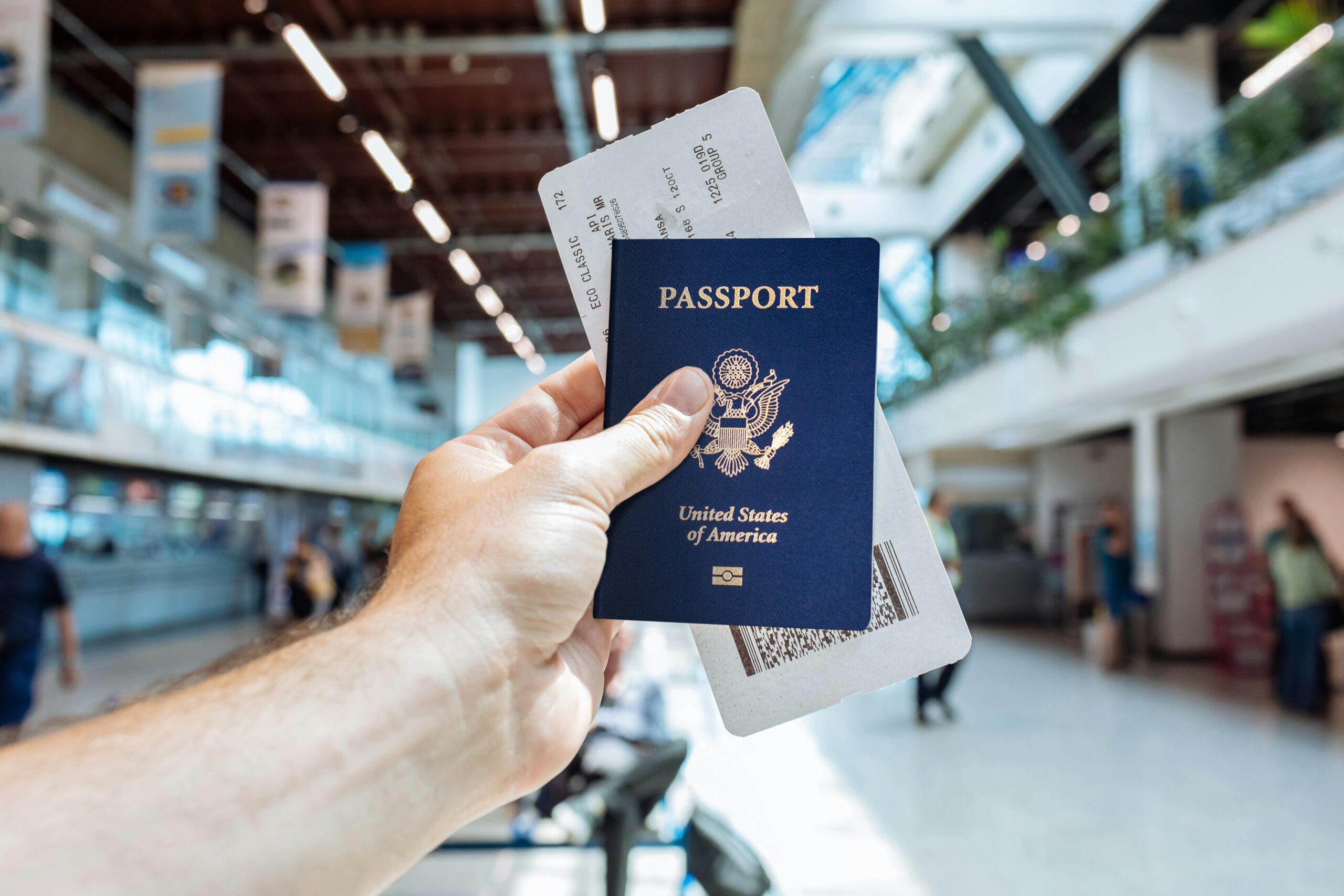
The immigration process often gets talked about in terms of paperwork, timelines, and legal rules. But what people discuss less is the huge emotional impact it carries. It’s a journey full of uncertainty, hope, and anxiety all at once, but you can still practice self-love. Getting your documents ready is key, but preparing your mind and heart for the experience is just as important for your well-being.
Dealing with this complex system takes resilience. Learning to handle the emotional ups and downs can really change how you experience the process and how you settle into your new life afterward.
Acknowledge the Emotional Rollercoaster
First, let yourself feel everything. One day you might be excited about a new start, and the next you could be deeply frustrated by delays. This is completely normal. The process itself is unpredictable, and your feelings will likely reflect that. Many people feel stress, anxiety, and isolation. Research has even shown the significant mental health impacts that immigration policies and procedures can have on individuals and families.
Instead of fighting these feelings, acknowledge them. You could try writing them down in a journal or talking about them with a trusted friend. Recognizing your emotions without judging them is the first step to managing them effectively. It reminds you that you’re having a normal human reaction to a very tough situation.
Understand What You Can and Cannot Control
A big source of stress during immigration is feeling powerless. You can’t control how long things take, policy changes, or an officer’s final decision. Dwelling on these unknowns will only drain your emotional energy. Instead, focus on what you can control. This includes making sure your application is accurate, your documents are complete, and how you respond to requests for information.
Making a clear plan for the things you can manage gives you a strong sense of control. For example, working with experienced immigration lawyers can help you with the legal complexities, making sure your case is as strong as possible. This lets you hand off a major source of stress and frees up mental space to focus on your well-being and family.
Build a Strong Support System
You don’t have to go through this alone. Intentionally building a support system is one of the most powerful things you can do for your emotional health. This network can include:
- Friends and family: Lean on those who will listen and encourage you, even if they don’t fully understand the process.
- Community groups: Look for local or online groups for immigrants from your home country or people going through a similar process. Sharing experiences with people who “get it” is incredibly validating.
- Mentors: Connect with someone who has successfully completed their own immigration process. They can offer practical advice and, more importantly, a sense of hope.
Your support system is your anchor. These are the people who will celebrate your wins and help you through the tough times.
Stay Organized to Reduce Anxiety
Clutter and disorganization can make feelings of anxiety and being overwhelmed even worse. When it comes to immigration, a pile of confusing papers or a messy collection of digital files can make you feel like you’re losing control. Setting up a simple, clear system for your documents and communication can be a powerful tool for managing your emotions.
Get a dedicated binder or create a specific folder on your computer. Organize documents by category: identification, financial records, application forms, and correspondence. Keep a log of every form you submit, every call you make, and every email you send, including dates and who you spoke with. This system not only makes sure you’re prepared but also gives you a visual reminder of the progress you’re making.
Practice Everyday Self-Care
Self-care isn’t a luxury during the immigration process; it’s essential. When you’re constantly stressed, your body and mind need time to rest and recharge. This doesn’t mean grand gestures. It’s about adding small, consistent habits to your daily life.
Think about simple activities that help you step away from the stress:
- Take a 15-minute walk without your phone.
- Practice deep breathing exercises for a few minutes each morning.
- Cook a meal that reminds you of home.
- Do a hobby you enjoy, like reading, drawing, or listening to music.
These small acts of self-preservation help calm your nervous system and build the emotional strength you need for the long journey.
Know When to Seek Professional Support
While support from friends and family is invaluable, sometimes you might need professional help. There’s no shame in seeking support from a therapist or counselor, especially one who has experience working with immigrants. They can give you coping strategies and a safe space to process your feelings. Some legal cases even benefit from a psychological evaluation, and a professional can help you prepare for an immigration evaluation if it becomes necessary.
Reaching out for professional help shows strength. It means you’re taking your mental health seriously and are committed to navigating this process in the healthiest way possible.
The immigration process is demanding, but preparing yourself emotionally helps you protect your well-being and face the challenges with greater strength and clarity.