

Choosing optical gear can feel like a lot. Frames, lenses, coatings, contacts, sport goggles, and field optics all solve different problems, so the best place to start is with the way you use your eyes each week.
This guide maps common daily activities to practical eyewear options. It uses checklists instead of jargon and keeps the focus on comfort, safety, maintenance, and fit. It is not a diagnosis or a sales pitch, just a clearer way to sort through your choices.
How to Use This Guide
Start with a simple Week-in-Your-Eyes audit. It takes about five minutes and helps you decide which sections matter most. Grab a pen or your phone’s notes app and jot down:
- Your top three daily activities that involve focused vision, such as screen work, driving, reading, or cooking.
- Up to two movement or sport contexts, such as gym classes, weekend footy, swimming, or cycling.
- Any outdoor hobbies that use magnification or specialized optics, such as birdwatching, hunting, or stargazing.
Once you have your list, skim the headings below and focus on the sections that match your routine. You do not need to read every word, just the parts that fit your life.
Start with Your Week: The Audit
Think about where and when your eyes work hardest. Common scenarios include:
- Long hours on a laptop or monitor for work or study.
- Night driving on regional roads with limited street lighting.
- Air-conditioned offices or shops that dry out your eyes by mid-afternoon.
- Ball sports, pool laps, or ocean swims on the weekend.
- Early-morning bushwalks, birding outings, or range days that need magnification in changing light.
Now rank what matters most to you from this short list:
- Clarity of vision
- Physical comfort, including weight, pressure points, and dryness
- Protection, such as UV, impact, or water protection
- Style and self-expression
- Budget
- Maintenance time you are realistically willing to spend
Your ranking will steer your choices through the rest of this guide. There are no wrong answers.
Glasses 101: Fit, Lenses, and Comfort
Glasses remain the most common vision solution in Australia, and a well-fitted pair should feel stable without pinching or sliding. Here are the basics in plain language.
Frame Fit
- Bridge comfort: The bridge should sit snugly on your nose without pinching. If you notice red marks after an hour, the fit likely needs adjusting.
- Temple length: Arms that are too long may slip; arms that are too short can squeeze behind your ears. Many optometrists can adjust temples for a better fit.
- Lens height: If you wear progressive or multifocal lenses, you generally need a taller lens area so the reading zone is usable. Ask your optometrist what minimum height they recommend for your prescription.
Lens Materials and Coatings
Two common lens materials are polycarbonate and high-index plastic. Polycarbonate is lightweight and naturally impact-resistant. High-index plastic is thinner, which can help with stronger prescriptions. Your optometrist can explain which trade-offs matter for your lenses.
Popular coatings include anti-reflective coatings, which can reduce distracting reflections from screens and headlights, and photochromic coatings, which darken in sunlight and lighten indoors. Neither is essential for everyone, but both can make daily wear more comfortable.
Quick Try-On Checklist
- Wear the frames for at least five minutes before deciding.
- Check for pressure behind the ears, on the nose bridge, and at the temples.
- Shake your head gently. The frames should stay put without feeling tight.
- Look up, down, and to the sides. Lens edges should not block your view.
Contacts 101: Daily vs. Monthly and How to Decide
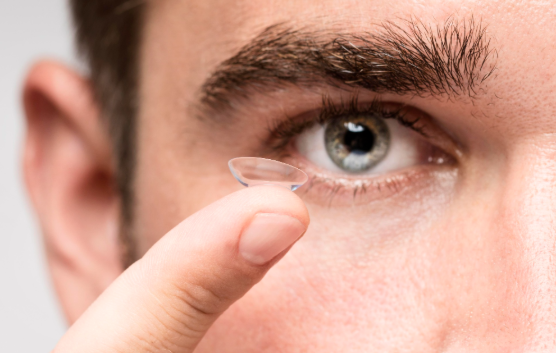
Contact lenses can be a helpful alternative or complement to glasses, especially for active days, travel, or times when you prefer not to wear frames. The two most common replacement types are daily disposables and monthly lenses.
Dailies are single-use lenses you open fresh each morning and throw away at night. They are convenient for travel and reduce the need for cleaning solutions. They also produce more packaging waste and can cost more over a year.
Monthlies are reusable lenses you clean and store each night, replacing them on a schedule set by the manufacturer and your optometrist. They often have a lower cost per wear over time and produce less waste, but they require consistent cleaning and a suitable lens case.
A few things to keep in mind:
- Contact lenses require a current contact lens prescription. Your glasses prescription is not automatically the same.
- Always follow the care and replacement instructions that come with your lenses, and confirm any questions with your optometrist.
- If your eyes feel dry, irritated, or red, remove your lenses and seek professional advice.
If reusable lenses seem likely to fit your routine, comparing a monthly contact lens collection from an Australian retailer can help you understand common categories, such as toric lenses for astigmatism or multifocal lenses. Confirm the right option with your optometrist before ordering.
Choosing optical gear for Sport and Movement
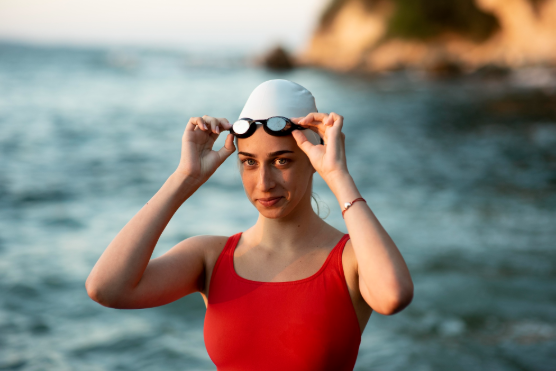
Regular fashion frames are generally not designed to handle a stray cricket ball or a dive into the pool. If sport is part of your week, dedicated protective eyewear is worth considering.
Why Sport-Specific Eyewear Matters
Standard glasses can shatter or fly off during contact sports, and they are not sealed against water. Sport frames and goggles are built to stay secure, resist fogging, and in many cases offer a level of impact protection. For impact-rated standards in Australia, such as AS/NZS 1337.1 for eye protectors, remember that not every sport frame meets those benchmarks. Ask your provider what standard a frame is tested to.
Tips for a Good Fit
- Look for wraparound designs or frames with adjustable straps for ball sports.
- Consider anti-fog coatings or ventilation channels if you tend to overheat.
- For swimming or diving, prescription inserts or custom goggles can keep things clear underwater. Confirm compatibility with a professional before buying.
If you are in Victoria and need a fitted option for ball or water sports, you can find quality sport prescription glasses through a local provider that discusses frame fit, impact protection, and swim or diving options in person.
Outdoor Hobbies and Field Optics
Birdwatching from a hide in the Grampians, scanning for raptors along the Murray, or spending a careful morning at the range all require a different kind of optical tool.
Binoculars and Scopes: Simple Selection Cues
- Magnification vs. field of view: Higher magnification lets you see farther, but it narrows your view and can make hand shake more noticeable. For birdwatching, moderate magnification, often around 8x or 10x, is a common starting point.
- Low-light performance: A larger objective lens, which is the front element, gathers more light and can help at dawn and dusk. The trade-off is added weight.
- Stability: Rifle scopes mount to a firearm, so stability is built in. For handheld binoculars at higher magnifications, a tripod adapter can make a big difference.
If you need optics for hunting or long-range target shooting in Australian conditions, compare specifications such as magnification, eye relief, weight, and mounting compatibility. You can explore Swarovski optics range from a local retailer as one way to see available model types, then discuss suitability with a licensed professional.
A safety note: If your outdoor hobby involves firearms, always follow safe handling practices, store equipment securely, and comply with your state or territory’s licensing requirements. Quality optics are one part of a much larger responsibility.
Budget, Maintenance, and Time
The best eyewear is the eyewear you will actually look after. Here is a realistic snapshot of ongoing care for each category:
- Glasses: Use a microfibre cloth and occasional lens spray. Store them in a hard case when not wearing them.
- Monthly contacts: Clean them nightly with the recommended solution, replace the case as advised, and do not extend wear beyond the recommended period.
- Sport goggles: Rinse after use, especially after saltwater exposure, inspect for scratches or loose straps, and store in a protective pouch.
- Field optics: Keep lens caps on when not in use, use a blower brush for dust, and store equipment in a padded case. Avoid touching glass surfaces with your fingers.
Be honest about how much routine you can maintain. If nightly lens cleaning sounds like a chore that will slip, dailies or glasses may suit you better. If you prefer a reusable option and can stick to the care steps, monthlies may fit well.
Style, Self-Expression, and Sensory Comfort
Eyewear sits on your face for long stretches of the day, so style and feel both matter.
A few practical ideas:
- Try colours that reflect your taste, not just safe options. Translucent frames, warm tortoiseshell, bold red, or matte pastels can all work well on the right face.
- Pay attention to how frames feel on your skin. Some people prefer metal nose pads; others prefer the smooth feel of acetate. Trust your sensory cues.
- Personalise your accessories if it helps you keep track of them. A patterned glasses case, a strap for sunglasses, or a marked contact lens case can make the routine easier.
- If you are sensitive to pressure or weight, lightweight titanium frames with silicone nose pads may feel less noticeable.
There is no single right look. The goal is to feel comfortable and confident each time you put your eyewear on.
The 5-Minute Shortlist
Pull your notes together with this quick checklist:
- Primary pair: glasses or contacts for everyday use.
- Backup option: a second pair of glasses, or dailies for travel days if you usually wear monthlies.
- Sport protection: dedicated goggles or sport frames if your week includes physical activity.
- Outdoor optics: binoculars or a scope if hobbies call for magnification.
- Care plan: the cleaning supplies, cases, and solutions you need, plus a realistic sense of how often you will use them.
- Eye exam: book or confirm an appointment so your optometrist can tailor recommendations to your eyes and lifestyle.
Choosing eyewear does not have to be overwhelming. Start with what your week actually looks like, choose the category that matters most, and build from there.