
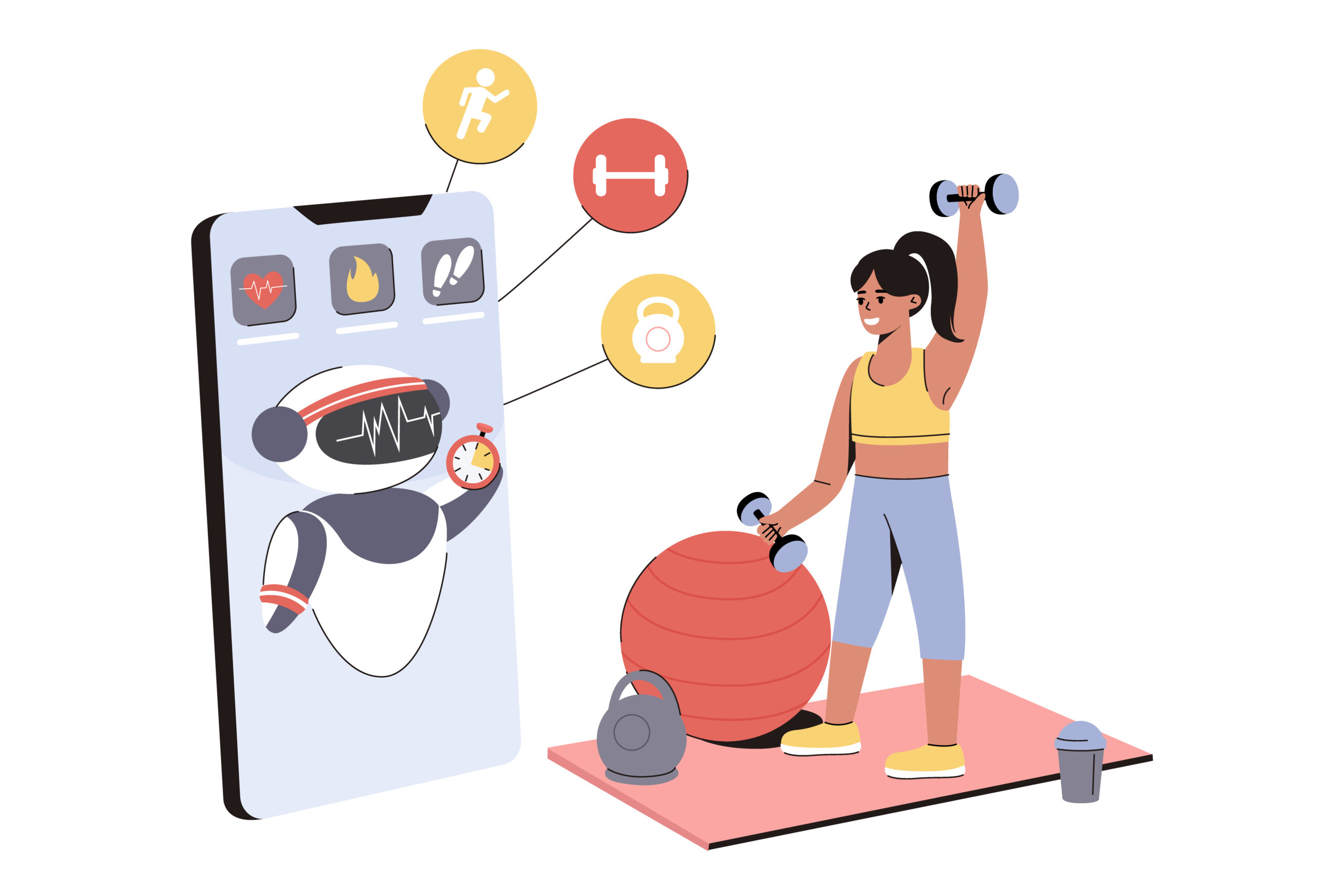
Getting healthier does not need to start with punishment. You do not need brutal alarm clocks, rigid meal plans, or guilt after a missed session. A balanced routine can begin with small, realistic steps you can repeat this week without buying a lot of gear or changing your whole life at once.
This guide is for Australian adults who want to move more, eat with a bit more intention, and understand how protein fits into the picture. Whether you are a complete beginner, returning after a long break, or navigating a larger body or limited mobility, there is space here for you. The goal is a balanced fitness routine that feels sustainable over months and years, not just for one perfect week.
Key Takeaways
- Balance beats extremes. A mix of cardio, strength, mobility, daily movement, and rest will serve you better than any single intense program.
- Start with 20-minute blocks. Short sessions count, and you can build a full week from them.
- Protein supports repair and fullness. Spreading protein across meals helps your body use it well.
- Whole foods come first. Powders can be convenient, but they are not required.
- Kindness and consistency compound. Small wins, repeated gently over time, add up to real change.
What a Balanced Fitness Routine Actually Means
A balanced fitness routine is not about doing everything perfectly. It is about covering a few key bases so your body and mind get what they need across a typical week. Think of it as five parts working together:
- Movement mix: Cardio, such as walking, cycling, or swimming; strength work, using bodyweight or weights; and mobility, such as stretching, yoga, or joint circles. Each supports your body differently.
- Everyday movement: This includes taking stairs, hanging laundry, gardening, or standing while you talk on the phone. These small movements can add up alongside formal workouts.
- Recovery: Sleep, rest days, and gentle movement matter. Around 7 to 9 hours of quality sleep is often linked with better recovery, appetite regulation, and weight-management outcomes.
- Protein-aware meals: This does not mean obsessive tracking. It means including a protein source at most meals to support muscle repair and satiety.
- Mindset and enjoyment: If your routine makes you miserable, it will be hard to keep. Rest, small wins, and movement you actually like all belong in the plan.
Design Your Week in 20-Minute Blocks
Australian physical activity guidelines suggest adults aim for 150 to 300 minutes of moderate activity, or 75 to 150 minutes of vigorous activity, each week. They also recommend muscle-strengthening activities on two or more days. If you are starting from a low base, begin below that target and build gradually.
Beginner Template
- 2 x strength sessions using bodyweight or light resistance
- 2 x cardio sessions, such as brisk walking, swimming, or cycling
- 2 x mobility sessions, such as stretching, yoga, or foam rolling
- 1 x full rest day with no guilt attached
Intermediate Template
Add 5 to 10 minutes per session, introduce heavier resistance or short intervals, or add one extra cardio or strength day if your recovery feels good.
Low-Impact Swaps
Every movement section should include options. If running hurts your knees, walk on an incline or swim. If floor exercises are difficult, try seated or chair-assisted versions. If you are in a larger body, water-based exercise can feel more comfortable because buoyancy reduces joint stress.
The Bad Day Micro-Routine
Five minutes counts. On tough days, try 1 minute of gentle marching in place, 2 minutes of stretching whatever feels tight, and 2 minutes of deep breathing. That is enough to keep the habit alive.

Protein Support 101: Whole Foods First
Protein helps your muscles repair after exercise and can help you feel fuller between meals. Spreading protein across the day, rather than saving most of it for dinner, is a useful habit for active adults.
Good everyday sources include eggs, Greek yoghurt, tofu, legumes, fish, lean meats, nuts, and protein-fortified dairy alternatives. Building meals around these foods is the simplest starting point.
Caution: People with existing kidney disease should seek medical advice before adopting high-protein diets or supplements. If you take medications, talk to a qualified health professional before adding any supplement, as interactions can occur.
Choosing a Protein Powder If You Use One
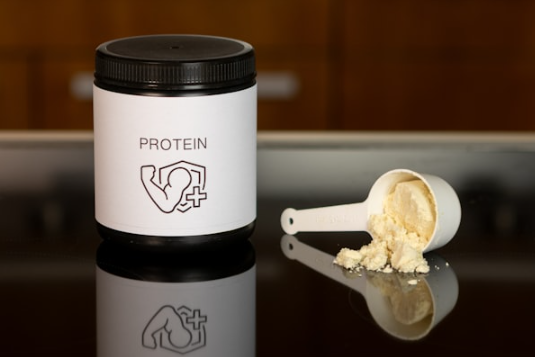
Powders are not essential. They can be useful on days when whole-food options are limited, you are short on time, or your appetite is low after training.
A few label details are worth checking:
- Isolate vs. concentrate: Whey protein isolate usually provides a higher protein percentage with lower lactose and fat than whey concentrate. Tolerance varies, so start small if you are unsure.
- Flavoured vs. unflavoured: Flavoured options are easier to drink on their own. Unflavoured powders blend more easily into smoothies, oats, or yoghurt without extra sweetness.
- Label reading: Look for the protein per serve, check allergens, and scan the ingredients list for sweeteners or additives you may want to avoid.
If you are comparing grass-fed options and flavour formats, a whey isolate protein powder collection can show how one provider lists ingredients, sachets, and larger tubs.
Weight Loss with Kindness
Sustainable habit changes are usually easier to maintain than extreme, rapid weight-loss methods. This aligns with common sense: you are more likely to keep doing something that does not make you miserable.
A few gentle behaviour tools can help:
- Environment design: Prep protein-rich snacks, keep water visible, and lay out your walking shoes the night before.
- Hunger and fullness check-ins: Pause mid-meal and notice how you feel. No rules, just awareness.
- Slow eating: Putting your fork down between bites gives your brain time to register satisfaction.
- Protein plus fibre at meals: This combination tends to keep you comfortable for longer.
- Flexible treats: A biscuit with your tea is not a failure. A flexible approach is easier to maintain.
Red flags to watch for: All-or-nothing plans, cutting whole food groups without medical need, supplement megadoses, and challenge programs that promise dramatic results in short timeframes. If something sounds too extreme to maintain, it probably is.
Resistance training at least twice weekly also helps preserve lean mass during weight loss, so your strength sessions are doing useful work beyond burning energy.
When Clinical Help Makes Sense in Australia
Sometimes self-guided approaches are not enough, and that is completely okay. You might consider medically supervised support if you have a complex medical history, experience significant weight regain, need a medication review, or feel stuck despite consistent effort.
Medically supervised weight-management programs in Australia typically include eligibility screening, clinician consultations, ongoing monitoring, and discussion of medication where appropriate. Suitability is individual and must be confirmed with a clinician.
For Australians exploring practitioner check-ins, eligibility screening, and medication discussion via telehealth, weight loss treatment online may be one type of service to review. Check details directly with the provider and a clinician before deciding whether it fits your circumstances.
Setting Up Your Space and Gear

You do not need a home gym to start. Bodyweight exercises, a single resistance band, or one kettlebell you can lift with good control can cover months of progression. A yoga mat on a clear patch of floor is enough space.
Progression ideas as you grow include:
- Add a second, heavier kettlebell or a set of adjustable dumbbells.
- Use a doorframe pull-up bar if it suits your space and you can install it safely.
- Use a sturdy chair or bench for step-ups, incline push-ups, and seated exercises.
If you are curious about a Perth supplier’s story and services for commercial-grade equipment and gym fit-outs, the about Kinta Fitness page provides company background.
Your 14-Day Starter Plan
Use this as a flexible checklist, not a pass-or-fail challenge. If you miss a day, return to the next small action and keep going.
Week 1: Learn and Log
- 2 x strength sessions focused on learning the basic moves
- 2 x cardio sessions, such as 20-minute walks or swims
- 2 x mobility sessions, such as gentle stretching or a beginner yoga video
- 1 x full rest day
- Daily habit: include a protein source at each meal and note it down
Week 2: Add a Little
- Add one extra set per strength exercise, or add 5 more minutes to one cardio session.
- Keep one genuinely easy day. A slow walk counts.
- Continue the protein-at-each-meal habit.
- Notice one thing that felt good this week and write it down.
Try this week: Pick one meal today and add a palm-sized serve of protein you enjoy. That is your only task. Everything else is a bonus.

Troubleshooting Common Sticking Points
Most routines need adjustment. If you get stuck, look for the simplest change before assuming the whole plan has failed.
- Short on time: Stack movement with existing routines. Stretch while the kettle boils. Walk during a phone call. Two minutes is better than zero.
- Motivation dips: Try the two-minute rule. Commit to just two minutes of movement. You may keep going, but if you do not, two minutes still counted.
- Plateaus: Before changing your training, check your sleep, stress levels, and daily movement. Small adjustments there can help progress restart.
- Travel: A simple hotel-room circuit of squats, push-ups against a desk, lunges, and a plank can take 10 minutes and needs no equipment.
- Joint niggles: Swap to low-impact versions and see a physiotherapist or exercise physiologist. Pain is information, not something to push through.
One Win, One Next Step
Before you close this page, think of one small thing you did recently that supported your wellbeing. Maybe you chose the stairs, drank an extra glass of water, or went to bed 15 minutes earlier. That is a win worth noticing.
Now pick your next tiny step. Not an overhaul, just one gentle action you can take tomorrow.
Consistency paired with compassion compounds over months, not days. A balanced fitness routine is not a destination. It is a way of moving through your life with a little more care, a little more strength, and more kindness toward yourself.