
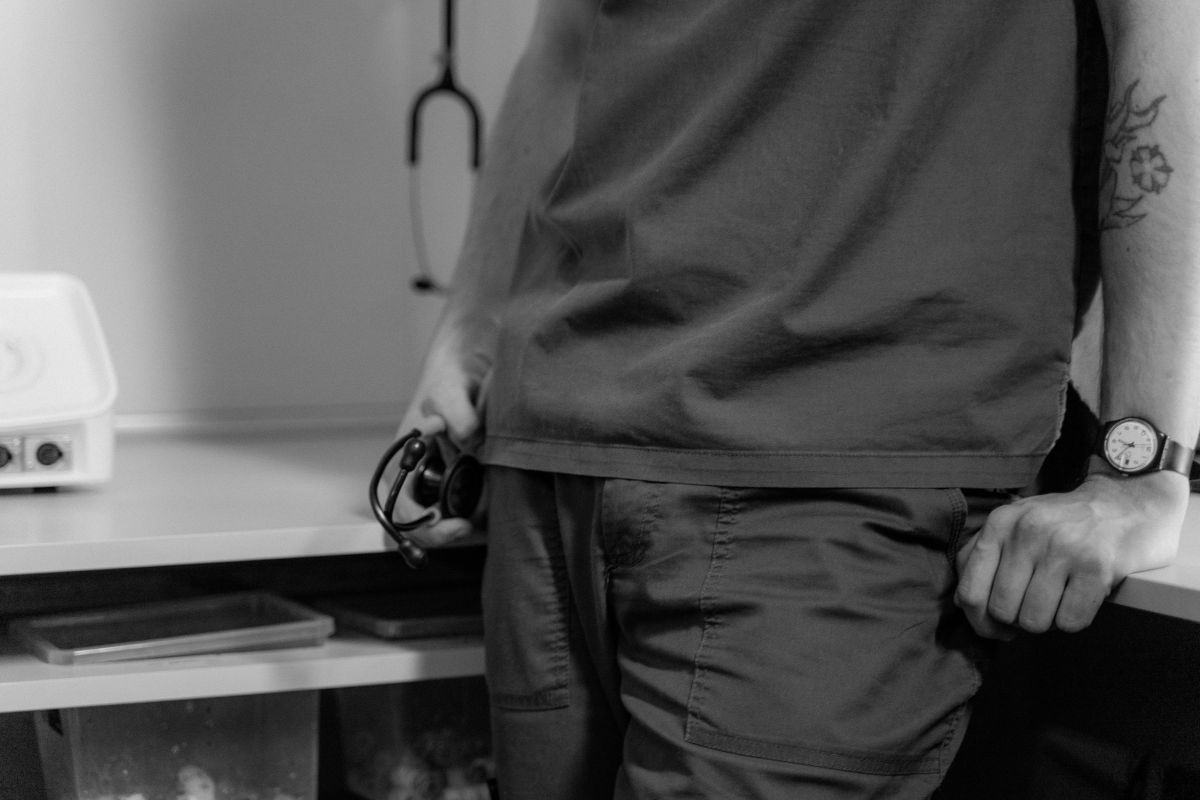
We never want to assume that the world is an unnecessarily dangerous place, nor to dwell on the wrongdoings that happen in it. However, institutional abuse is not only a real thing, but it is often most prevalent among those most vulnerable to it, which may include those who are unaware of the facts. While no survivor is deserving of the abuse they might encounter, being more vigilant towards it can help us prevent or at least notice it, and take action to stop it or seek justice.
Medical Abuse
Doctors and healthcare providers hold enormous power because patients often trust them with private information, physical examinations, medication, and life-changing decisions. Abuse in healthcare settings can include things like sexual misconduct and physical violence, but also abuse through medical practices, like unnecessary procedures, ignoring pain, coercive treatment, dismissing consent concerns, and medication misuse. Protecting patients requires strong reporting systems and patient advocacy, ensuring that patients are asked about their comfort and any concerns with their treatment.
Clergy Abuse
Given that religious leaders are often trusted as moral guides, counsellors, and important figures in local communities, clergy abuse is especially serious. There has been a lot more vocal opposition against the grooming, sexual exploitation, emotional control, and coercive silence, and survivors are gathering together to seek justice, as is seen in this Konstanty Przybylski accusation overview. Care must be taken with any vulnerable person in frequent contact with clergy, regardless of our own spiritual beliefs and assumptions of morality in the religious figures in our community. We should never assume that it can’t happen to those in our lives, because it can happen anywhere.
Care Home Abuse
One of the most clear-cut examples of how it is the vulnerable who are most often targeted by the abusing and neglectful can be found in care homes. Elderly people, disabled residents, and others who need daily assistance are routinely betrayed by the institutions that are supposed to provide safety, support, and dignity. Types of care home abuse can vary widely, including not just physical mistreatment and neglect, but medication errors, emotional cruelty, isolation, poor hygiene, being left without food, and more. Residents are often unable or unafraid to report mistreatment, and families may miss warning signs due to limited visits. Families would be wise to treat this as a red flag, especially if they notice others like understaffing, a lack of oversight, and profit-driven decision-making across the organization.
State Abuse
People in prisons, detention centers, psychiatric facilities, immigration centers, and other state-run institutions are often at high risk because their freedom and choices are restricted. Problems like excessive force, denial of medical care, unsafe living conditions, and retaliation are a lot more common in these settings. Advocacy groups like the ACLU are constantly highlighting cases of state abuse, and can help families find the means to have their complaints heard and pressure put on the relevant facilities.
Where power is concentrated in the hands of a few, especially over the vulnerable and in need, abuse is always a potential outcome. We have to be more vigilant of that potential in our lives and for those around us.