
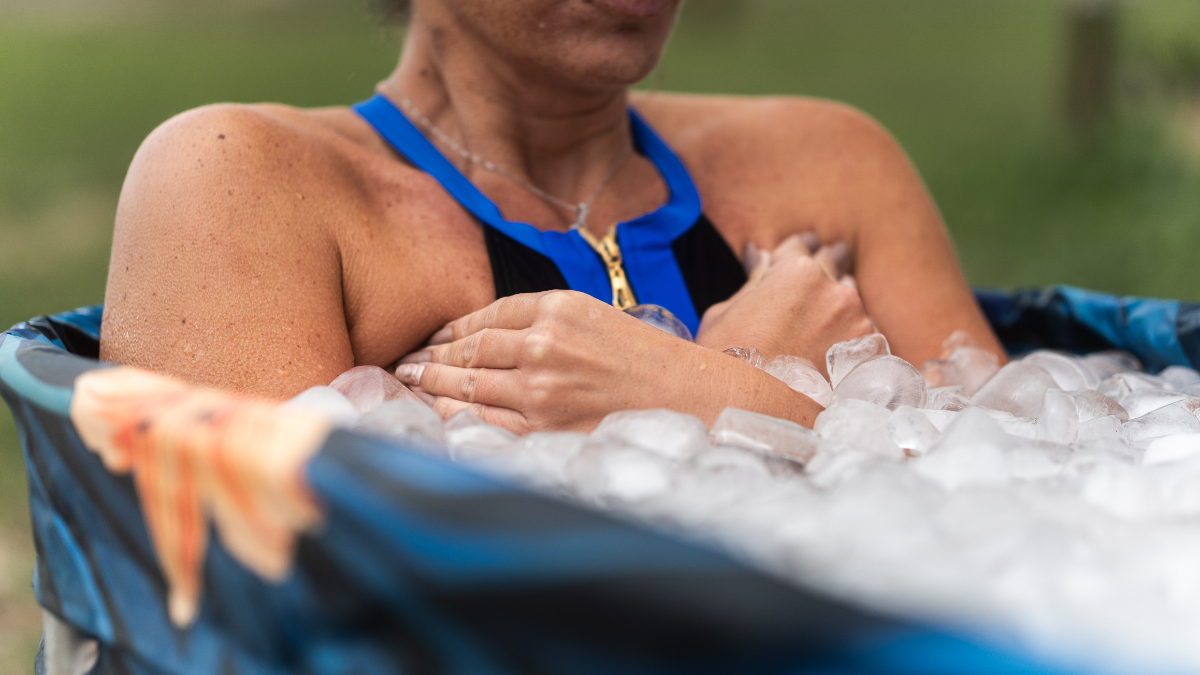
Most people step away from cold water whenever possible. But a growing number of athletes, wellness enthusiasts, and everyday people are doing the opposite — climbing into tubs of ice-cold water on purpose. Ice baths, also known as cold water immersion (CWI), have become one of the most talked-about recovery and wellness tools in recent years. And for good reason. From faster muscle recovery to sharper mental focus, the effects of sitting in cold water for just a few minutes go well beyond the initial shock. If you’ve been curious but unsure whether it’s worth it, this guide breaks down what ice baths actually do, who benefits most, and how to do it safely.
What Happens to Your Body in an Ice Bath
When you step into cold water, your body responds immediately. Blood vessels in your skin and extremities constrict, pushing blood toward your core organs. Your heart rate, breathing, and blood pressure shift to compensate. Once you get out, those vessels dilate again — blood rushes back to your muscles and tissues, carrying oxygen and nutrients with it.
This back-and-forth cycle is at the heart of why ice baths work. It’s not just about numbing soreness. The physical and chemical changes triggered by cold exposure affect circulation, inflammation, mood, and even immune function.
Physical Benefits of Ice Baths
1. Faster Muscle Recovery
This is the most well-known reason athletes use ice baths. After intense exercise, micro-tears in muscle fibers cause soreness and swelling. Cold water constricts blood vessels, which slows the inflammatory response and reduces tissue breakdown. When you warm up again after the bath, circulation increases and muscles relax more quickly.
Research supports this for high-intensity exercise in particular. A 2022 systematic review in Sports Medicine found cold water immersion to be an effective recovery tool after HIIT-style workouts, with participants reporting improved muscular power and reduced soreness.
2. Reduced Inflammation and Swelling
Think of an ice bath as icing an injury — but for your whole body. Cold exposure causes small arteries and veins near the skin to narrow, which limits fluid buildup in tissues and joints. This is especially useful for athletes dealing with minor strains or anyone recovering from a particularly hard training day.
3. Improved Circulation
The vasoconstriction-vasodilation cycle that cold water triggers has a flushing effect on the circulatory system. Blood is pushed out of the extremities during immersion and pumped back forcefully once you exit, improving overall blood flow and cardiovascular efficiency over time with regular practice.
4. Metabolism and Fat Activation
Cold exposure forces the body to work harder to maintain its core temperature. This process activates brown adipose tissue (brown fat), a metabolically active tissue that burns calories to generate heat. While ice baths alone won’t replace a solid diet and exercise plan, this thermogenic effect may offer modest metabolic benefits, particularly for those who practice cold immersion consistently.
5. Reduced Muscle Soreness After Endurance Exercise
Cold water immersion can help flush metabolic waste products — like lactic acid — out of muscle tissue, reducing the “heavy legs” feeling common after running, cycling, or other endurance activities. Full immersion is more effective than a cold shower for this purpose, since the body is evenly compressed by the water on all sides.
Note on strength training: If your primary goal is building muscle mass, avoid ice baths immediately after resistance training. Some research suggests that cold immersion right after strength work may blunt the muscle-building response. For endurance recovery, however, the benefits are clearer.
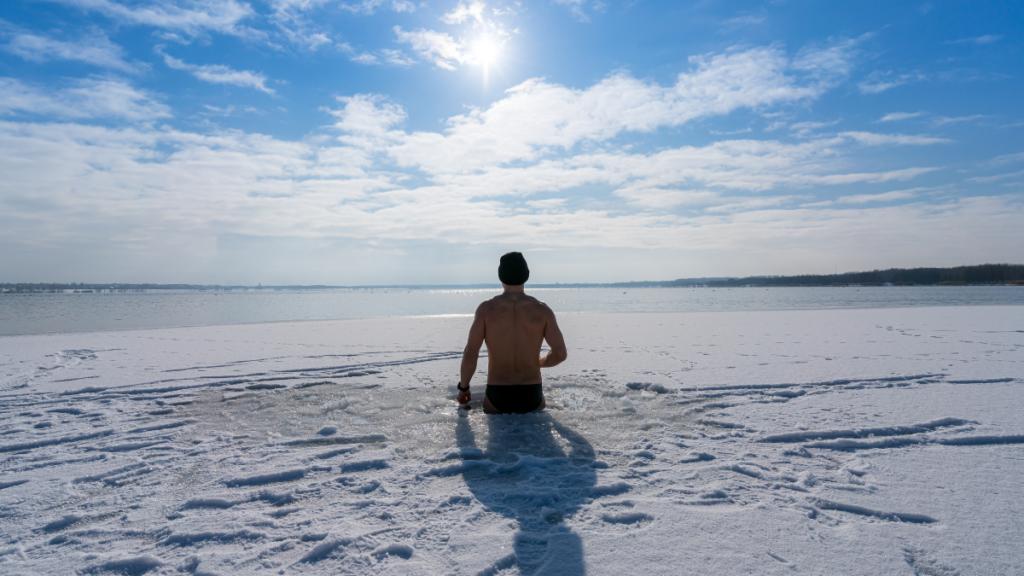
Mental and Psychological Benefits
6. Mood Boost and Dopamine Release
One of the more striking findings in ice bath research involves neurotransmitters. Cold water immersion has been shown to significantly increase dopamine and norepinephrine — chemicals closely tied to mood, motivation, and focus. The dopamine increase from a cold bath can be substantial and last for hours afterward, producing a sustained sense of alertness and well-being rather than the short spike associated with other dopamine-triggering activities.
Norepinephrine, which is also targeted by certain antidepressant medications, plays a role in energy levels, memory, and the sleep-wake cycle. These findings have led researchers to explore cold water therapy as a potential complementary approach for people dealing with depression or anxiety.
7. Stress Resilience
Voluntarily exposing yourself to a stressor like cold water — and learning to stay calm through it — builds mental toughness over time. The nervous system learns to regulate its response to discomfort, and that carries over into everyday stressors. Regular cold exposure has been associated with reduced anxiety levels, improved ability to focus under pressure, and a greater sense of self-control.
8. Mental Clarity and Focus
Many practitioners report heightened alertness and sharper thinking after an ice bath. This is partly due to the norepinephrine surge, and partly the result of controlled breathing required to get through the initial cold shock. The practice essentially forces a form of mindfulness — you can’t think about much else when you’re sitting in ice water.
Immune System Support
Regular cold water immersion appears to stimulate immune function, though researchers note that more study is needed to fully understand the mechanism. Cold exposure creates a mild stress response in the body — a concept called hormesis — that may prime the immune system to respond more efficiently to real threats.
Some studies have found that people who practice regular cold immersion report fewer sick days compared to those who don’t. One frequently cited study found that people who switched to cold showers for 30 consecutive days reported significantly fewer work absences due to illness. For immune benefits, consistency seems to matter more than duration — a few sessions per week over several weeks appears to be the effective threshold.
Ice Bath Quick Reference
| Aspect | Recommendation |
| Water temperature | 50–59°F (10–15°C) |
| Session duration | 10–15 minutes |
| Frequency | 2–4 times per week |
| Best time for athletes | Within 1–4 hours after intense exercise |
| Avoid after strength training | May reduce muscle growth stimulus |
| Minimum age | Adults only; consult a doctor if under 18 |
Who Should Consider Ice Baths
Ice baths aren’t a one-size-fits-all solution. Here’s a look at who tends to benefit most:
- Endurance athletes recovering from long runs, cycling sessions, or intense training blocks
- Team sport players with back-to-back games or heavy training schedules
- People managing exercise-induced inflammation or minor joint soreness
- Anyone looking to build stress resilience and mental focus
- Those exploring natural mood support as a complement to other wellness practices
On the other hand, people with certain conditions should avoid ice baths or consult a doctor first:
- Cardiovascular disease or high blood pressure
- Raynaud’s disease or other circulation disorders
- Open wounds or skin infections
- Pregnancy
- A history of cold urticaria (cold-triggered allergic reactions)
How to Get Started Safely
Getting started doesn’t require a professional setup. A bathtub filled with cold water and added ice works fine for beginners. If you want a purpose-built solution, investing in quality equipment makes the experience more consistent and easier to maintain. Check out Best ice bath equipment for purpose-built cold plunge options designed for home use.
For those who want a dedicated vessel, an Ice Bath Barrel is a practical option — it’s designed to hold temperature well and makes the routine easier to stick with.
A simple beginner protocol:
- Start with water around 59°F (15°C) — colder than comfortable, but not extreme
- Set a timer for 2–3 minutes
- Focus on controlled, steady breathing rather than gasping
- Gradually increase duration over several sessions up to 10–15 minutes
- Never use ice baths alone — have someone nearby when you’re starting out
Common Ice Bath Benefits at a Glance
| Benefit | Primary Mechanism |
| Muscle recovery | Reduces inflammation and flushes metabolic waste |
| Reduced soreness | Vasoconstriction limits tissue swelling |
| Mood improvement | Dopamine and norepinephrine release |
| Mental clarity | Norepinephrine surge and controlled breathing |
| Immune support | Hormetic cold stress activates immune response |
| Stress resilience | Nervous system adaptation to controlled stressors |
| Circulation | Vasoconstriction/vasodilation cycle |
| Metabolism | Brown fat activation and thermogenesis |
Summary
Ice baths work by triggering a cascade of physiological responses — from reduced inflammation and faster muscle recovery to elevated mood-regulating neurotransmitters and a stronger immune response. The benefits are most consistent for people who use them regularly, especially after high-intensity exercise or endurance training. The mental and psychological effects are equally compelling: improved focus, stress tolerance, and mood that can last for hours after each session. While not suitable for everyone, ice baths are a low-cost, low-tech tool with a growing body of research behind them. If you’re healthy and looking for a way to recover faster and feel sharper, it’s worth taking the plunge.
FAQ
- How long should you sit in an ice bath for muscle recovery? For most people, 10 to 15 minutes in water between 50–59°F (10–15°C) is sufficient. Beginners should start at 2–3 minutes and build up gradually. Staying in longer than 15 minutes offers diminishing returns and increases the risk of hypothermia.
- Are ice baths good for weight loss and metabolism? Ice baths can mildly boost metabolism by activating brown fat, which burns calories to generate heat. This effect is real but modest — ice baths aren’t a substitute for diet and exercise. Over time, combined with a healthy lifestyle, regular cold exposure may support metabolic health.
- Can you take an ice bath every day without harming your body? Daily ice baths are generally safe for healthy adults at recommended temperatures and durations. However, if your goal is strength and muscle growth, frequent post-workout cold immersion may reduce training adaptations. For recovery and general wellness, a few sessions per week is a reasonable starting point.
- What are the mental health benefits of cold water immersion? Cold water immersion triggers significant increases in dopamine and norepinephrine — two neurotransmitters tied to mood, focus, and energy. Regular practitioners often report lower anxiety, better stress management, and improved sense of well-being. Researchers are actively exploring its potential as a complementary tool for depression and anxiety management.
- What is the best temperature for an ice bath to reduce inflammation? The sweet spot for most benefits — including inflammation reduction and mood enhancement — is between 50–59°F (10–15°C). Colder than 39°F (4°C) adds risk without meaningful additional benefit and should be avoided outside of clinical settings.