
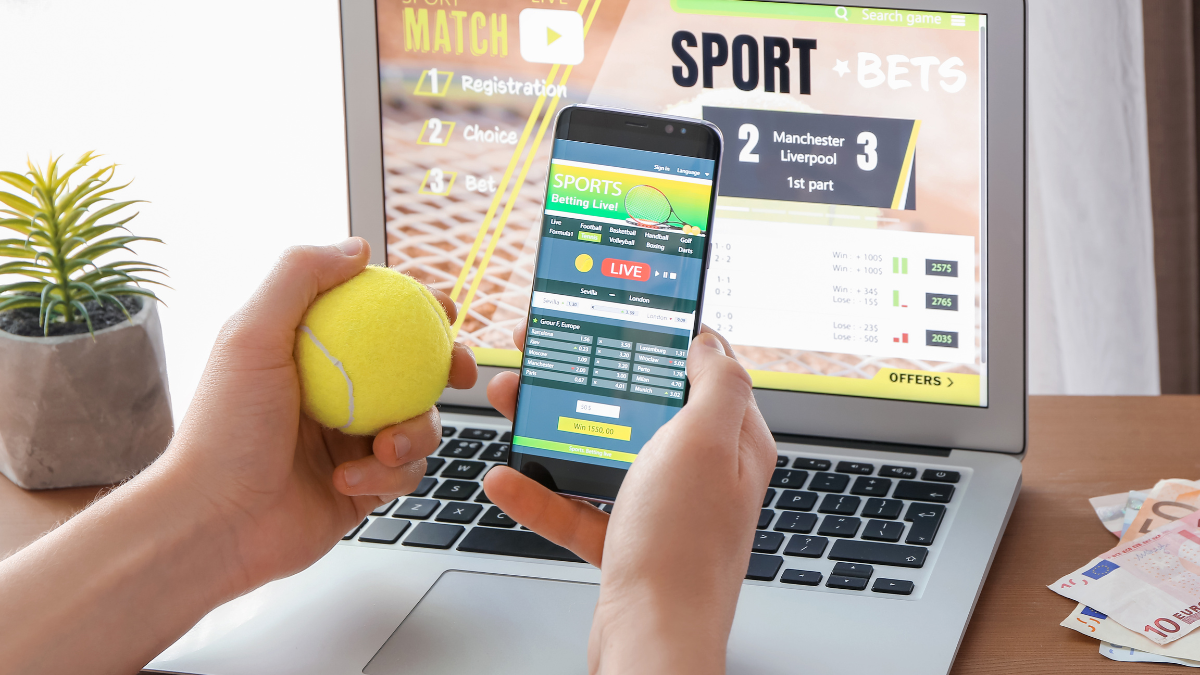
Watching a match today rarely means doing just one thing. Even when the game is good, phones tend to come out during stoppages, replays, or quieter stretches, and it happens so naturally that most people barely notice it anymore. The match stays on, attention stays with it, but focus spreads out slightly, making room for quick checks and side glances that sit alongside the action rather than pulling away from it.
Most matches are quieter than we remember
Highlights lie to us a little. They compress ninety minutes into a handful of moments and make it feel nonstop. In reality, most games breathe. There are pauses, resets, sideways passes, injuries, arguments, stretches where everyone seems to be waiting for something to break. In a stadium, that time is absorbed by noise and movement. At home, it’s different. The pauses feel longer. You notice them more.
That’s usually when the phone comes out. A sports betting app doesn’t interrupt the match. They sit inside those gaps. A quick glance at live stats. A momentum bar nudging slightly. A subtle change that suggests the game might be tilting, even if nothing dramatic has happened yet. It gives the waiting a shape.
Watching gives you emotion, not control
One of the odd things about sports is how little influence the viewer has. You can read the game perfectly and still be powerless. You can feel a goal coming and be completely wrong. That lack of control is part of the tension, but it can also be uncomfortable, especially in close games. Sports apps soften that feeling. They don’t hand you control over the result, but they give you something to manage. Information to track. Signals to interpret. Even doing nothing with that information still feels like participation.
The second screen matches how attention actually works
People don’t use sports apps the way they use social media. No one scrolls endlessly during a match. It’s more like checking the time. Short looks. Repeated often. Usually during stoppages, replays, or lulls in play. That pattern isn’t accidental. It mirrors how attention moves while watching sports. Focus tightens, then relaxes. Apps that respect that rhythm feel natural. They don’t ask for commitment. They just sit there, ready when you glance over. That’s why reaching for them feels automatic rather than deliberate.
Numbers calm nerves
When a match feels tense, emotions tend to get ahead of reality. A few dangerous attacks can feel like domination. A quiet spell can feel like danger. Commentary adds drama. Crowd noise adds urgency. Apps offer a parallel version of the match. Not better, just steadier. Possession stats, shot counts, small updates that help fans recalibrate what they’re feeling against what’s actually happening. Sometimes that’s all people want. Not insight. Just reassurance.
Watching isn’t a closed experience anymore
Sports viewing used to be a single loop. Screen to viewer, viewer to screen. Now it spills outward. Phones, apps, quick checks, background interactions that live alongside the game rather than competing with it. Platforms like Betway fit into this pattern almost invisibly, sitting there as a second screen that mirrors the pace of the match rather than trying to pull attention away from it. Reaching for a sports app mid-match doesn’t mean the game has failed to hold attention. It means watching has changed. Fans want to stay connected between the moments, not only react when something explodes into view. The match is still the main event. But for many people, it isn’t enough on its own anymore. And that quiet shift explains a lot about how we watch sports now.