
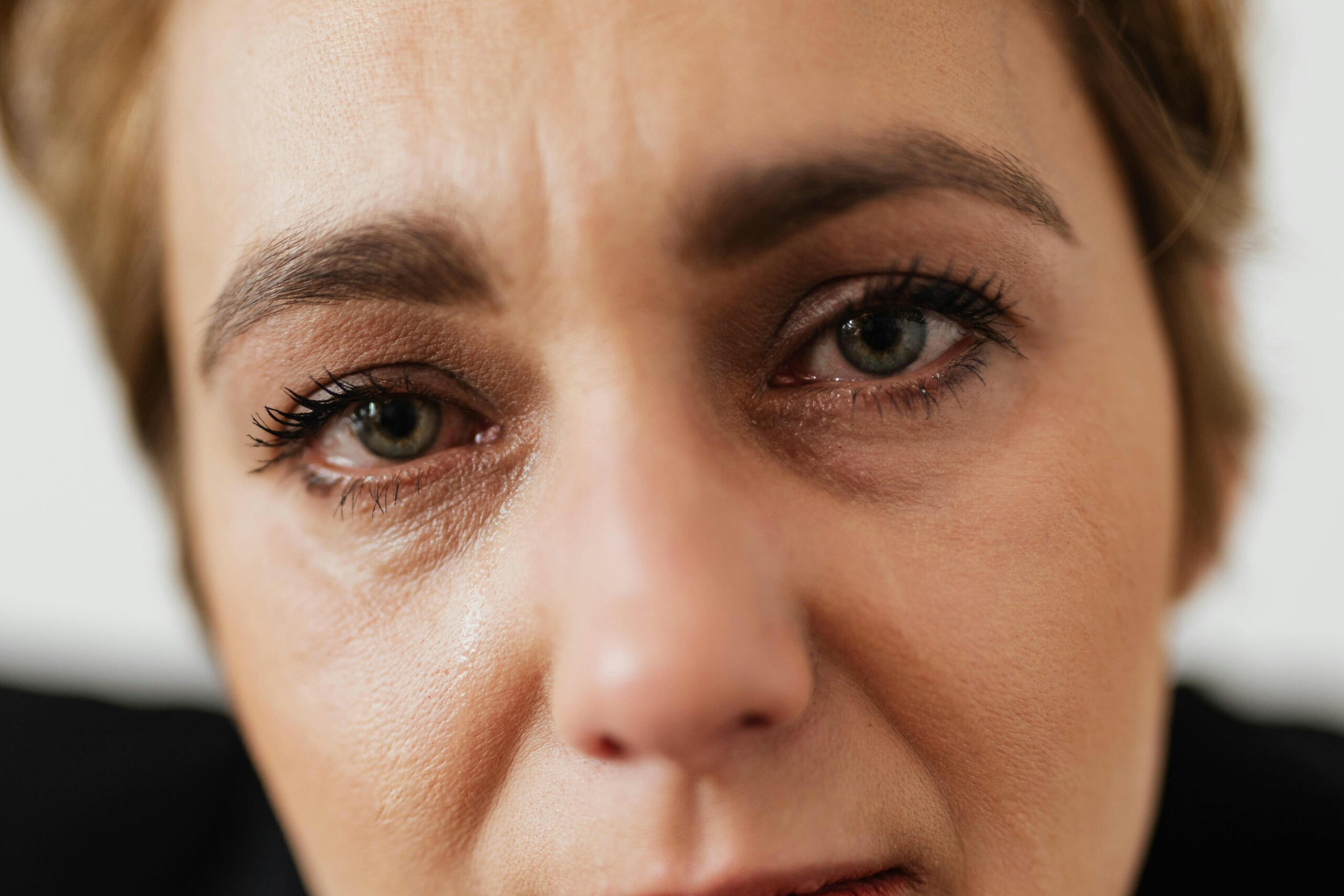
As we get older, we’re a lot more prone to all sorts of health changes, such as a few new aches and pains, a higher risk of chronic disease, and changes to our vision health. None has quite as profound an impact on our loved ones, however, as changes to cognitive health, like a dementia diagnosis. If you have a loved one who has received that diagnosis, it can feel bewildering, like you don’t know what to do. However, there are options, and here, we can explore a few of them.
Learn About the Condition
Understanding dementia is one of the most important steps after a diagnosis. Understanding it not as a single condition but rather a range of symptoms (sometimes caused by conditions such as Alzheimer’s), and having realistic expectations of how it progresses can help you anticipate changes and respond more effectively, rather than being caught off guard by any memory loss, confusion, or personality changes.
Set Up Legal And Financial Supports
Early planning is vital, as a loved one might be able to participate in decision-making now, but you might not know how much longer that can be the case. Setting up legal tools like Lasting Power Of Attorney ensures that a trusted loved one can make decisions about finances and healthcare when the individual is no longer able to. Similarly, you may want to help them connect with an estate lawyer to set up a will.
The Question Of Care
As dementia progresses, independence will decrease, and care needs will increase. Start thinking about support options now, whether you’re able to provide care at home yourself, need the assistance of a caregiver, or want the more comprehensive support and safety of a memory care facility. The answer can depend on a range of things, including your own obligations and responsibilities, budget, and the level of assistance required
Provide Emotional And Social Support
Isolation is one of the most prevalent concerns after a dementia diagnosis, as many people can lose their social connections, so emotional support is crucial. Allow for open conversations, providing a safe space for a loved one to share their feelings and fears. Make time for simple activities like spending time together, listening to music, or enjoying familiar hobbies for as long as they’re able. Providing safety and security is paramount, but the emotional health of a loved one facing down a dementia diagnosis cannot be ignored.
Support Yourself
Whether you’re actively performing the role of a caregiver or you’re just trying to assist a loved one as they explore their options and prepare ahead, dealing with the reality of dementia can be draining for you, as well. It can even lead to burnout. As such, it’s important to be able to make time for self-care, to maintain your own social connections, and to find the things that give you joy.
There’s no specific right answer for every family facing a dementia diagnosis. The points above, however, should help you address some of the key questions, finding your own way to handle them.