
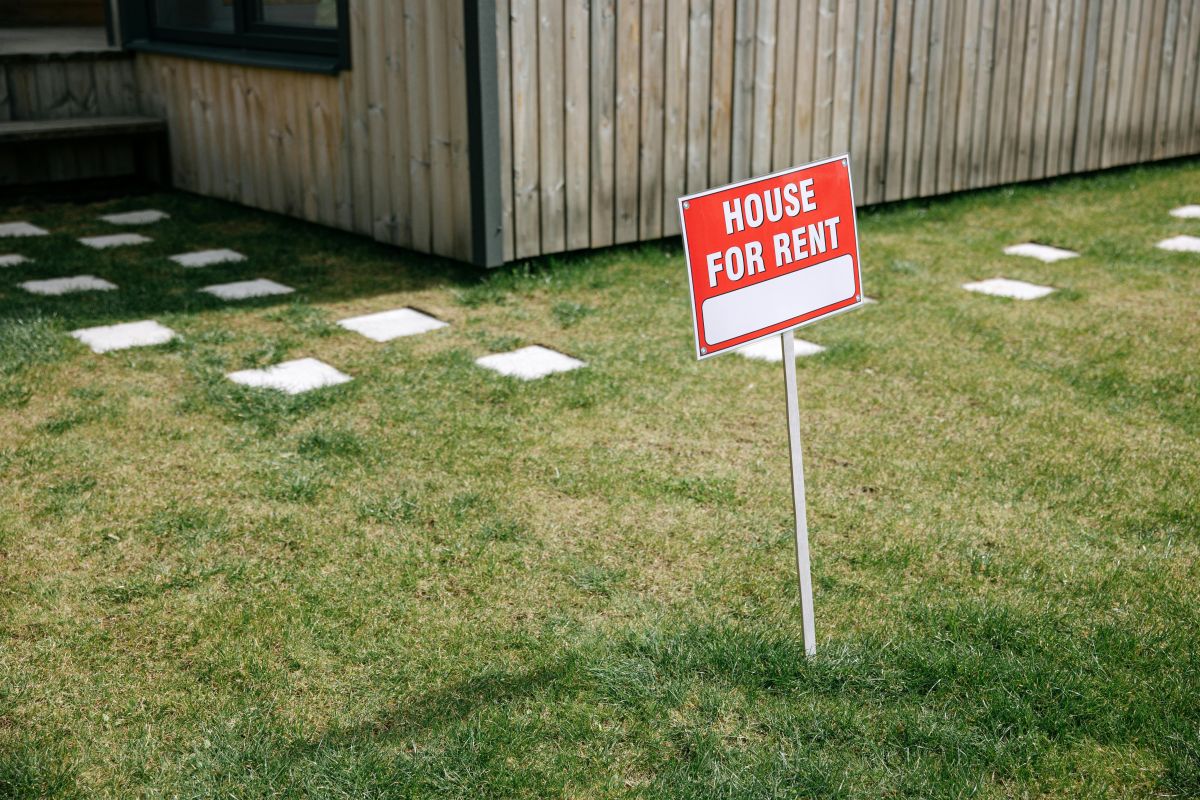
You’re not quite ready to buy a home, or your situation dictates that renting is the smarter choice. The good news is that the rental market is much larger than the general real estate market in the sense that you’ve got more properties to choose from. The bad news is that you can easily fall into a trap and overpay as a tenant. Too many renters pay far too much each month for properties that simply are not worth it.
How do you know if you’re one of these people? Today’s blog post outlines some of the key signs that you’re paying far too much, and the solutions to get out of this tricky situation.
Run A Comparison Against Similar Properties
The easiest way to distinguish if your rental charges are more than they should be is by looking at other properties on the market. You’ll find that searching for apartments for rent in the same area as yours will throw up lots of results. The same goes for homes; always compare a like-for-like listing for accuracy’s sake.
A few key things to consider are that the comparison listings are:
- In the exact area as the property you’re renting
- Have the same number of bedrooms
- Include similar amenities
- Are of a similar age/condition
- Are the same type of property (e.g. don’t compare a 2-bed apartment with a 2-bed house)
You’ll quickly come across a pattern that showcases the average rental price in your area for your type of property. Here’s the thing: if your rent is a few hundred dollars more than the other properties, then there’s a very strong change you’re overpaying. Sometimes you come across crazy cases where the exact same apartment in a new-build block costs a few hundred less than yours. The landlord is having you on, so it might be time for action – more on that later.
Check Any Rental Increases Against Other Factors
It’s highly common for landlords to increase rent every year. There’s nothing inherently wrong with that, as long as it aligns with a couple of critical factors:
- Local wages
- Property improvements
When the average wage increases in your area, then landlords are well within their rights to up the rental costs to accommodate this. If you’re now paying a hundred dollars or so more than last year, then it still might not technically be a case of overpaying.
Similarly, if landlords complete renovations or make positive improvements to their property, then they’ll raise the rent to reflect a change in the home’s market value. Once again, there is nothing wrong with this because you may see improvements throughout your daily life – like new white goods, a better HVAC system, or even an additional room.
The problem comes when your landlord increases the rent without these two factors coming into account. Local wages are the same as they’ve always been, and the property hasn’t been improved in any way. That’s another red flag that they are taking you for granted and bumping up the rent to a point where you’re paying way too much.
Look At What Your Rental Bill Covers
Remember when you ran a comparison search to see what other properties in the area charge for rent? Well, there’s one very key thing you must consider during this search: what’s included in the rent? Some properties may have similar rental prices – or be more expensive – yet they could bundle some of the following things into the rental costs:
- Utility bills
- Parking space charges
- Taxes
- General maintenance/cleaning from a property management company
- Access to other amenities – like a gym membership in an apartment building
Now, have a look at what your rent covers. Will it just be the monthly cost of living in the property, or does your landlord bundle in other things as well? If you have to pay for additional amenities or things like on-site parking alongside your rent, then you might be overpaying.
What To Do If You’re Paying Too Much Rent
That’s the big question here: what should you do when you discover you’re paying too much? Some renters believe there’s nothing they can do, but there’s one obvious solution:
Threaten to leave the property at the end of your tenancy.
This idea will lead you down three possible paths:
- You stay at the property, but the landlord decreases the rent
- You stay at the property, but the landlord agrees to make your rent more valuable
- You leave the property and find somewhere more affordable
Looking at the first scenario, a landlord may agree to lower your rent if you show them that every other property in the area is considerably cheaper. The threat of you leaving could be enough to make them do a 180 and charge less. Why? Because they don’t want an empty property. Empty properties don’t make money – and they cost money to fill. If they’re happy with you as a tenant, you might be able to come to an agreement.
Likewise, they may not decrease your rent, but they can make it more worthwhile by ensuring the property matches the price. In other words, they improve the property by adding a free parking space, upgrading your white goods, letting you have a pet, redecorating the place, etc. You’re no longer paying for less in this scenario.
And finally, if you can’t come to any arrangement, you’ll have to leave. Your property search told you two things: you’re paying too much rent, and there are loads of available properties in your area. It shouldn’t be too difficult to move into a new place, ensuring you leave your high rental bill behind and pay for something that’s actually worth the charges.
Always Keep An Eye On Rent
The crucial thing to absorb from this guide is that you should always keep a close eye on how much rent you pay. Don’t be one of those people who slip into the unknown trap of overpaying for a property that’s simply not worth it. Know the local rates, see if any rental increases are worth it, and then take action if you’re being taken for granted.