
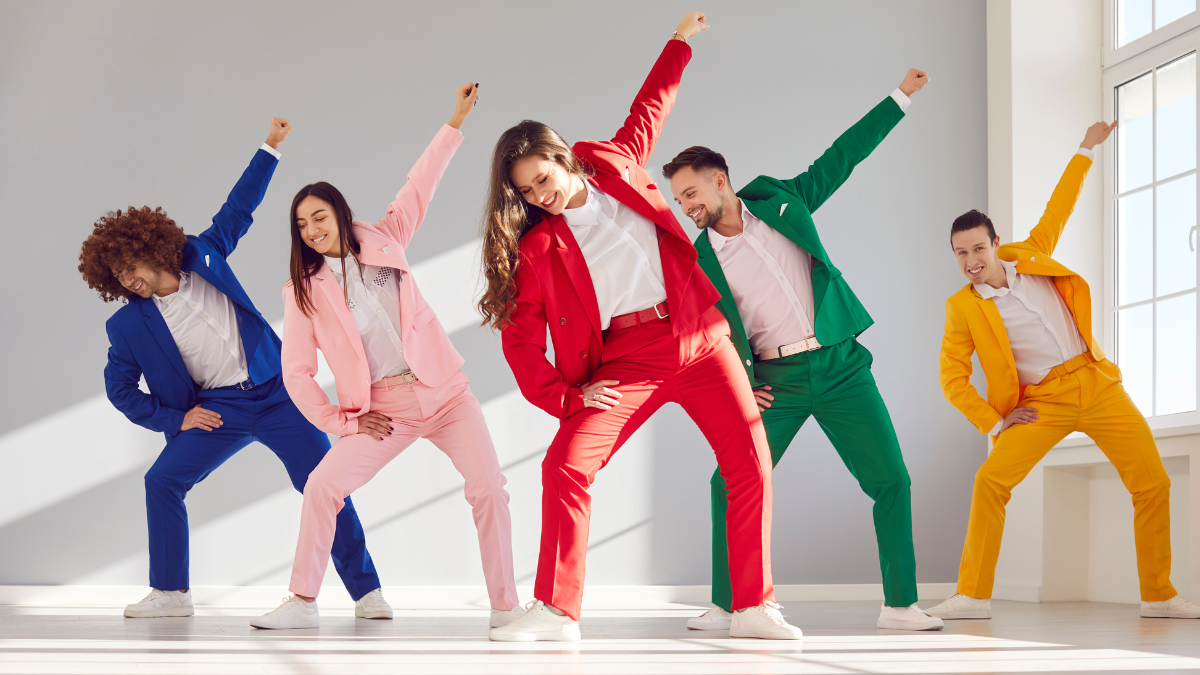
Every color in a suit sends a message. Whether in a business meeting or a social event, the shade of fabric shapes how others see a person and how that person feels about themselves. Understanding what a suit color communicates helps someone choose clothing that supports the image they want to project.
The language of color in tailoring connects appearance and personality. Different tones suggest different traits, from confidence and authority to calm or friendliness. By exploring the meaning behind each color, anyone can make choices that express both personal style and purpose.
Navy Blue: Conveys confidence, trustworthiness, and professionalism, ideal for business settings
Navy blue suits project confidence without appearing harsh. The deep tone signals trust and dependability, which makes it a top choice for professional meetings or leadership roles. Many classic bespoke suit designs feature this color because it flatters most skin tones and remains appropriate in both formal and semi-formal environments.
In business settings, navy blue communicates calm control. It shows that the wearer focuses on clarity and consistency rather than flashiness. Compared to black, it feels more approachable while still maintaining formality.
Tailors often suggest navy for those who want a suit that transitions easily from day to evening. The color pairs well with crisp white shirts, muted ties, and polished shoes. Its steady appearance reinforces a sense of composure and self-assurance that suits any professional setting.
Black: Represents authority, sophistication, and formality, perfect for evening events
Black remains the classic color of authority and elegance. It communicates confidence and control without the need for bold patterns or bright tones. A black suit signals that the wearer values precision and professionalism.
This color also carries a sense of refinement that suits formal settings. Many choose black for evening occasions because it matches the mood of high-end events and creates a polished appearance under soft indoor lighting.
Cultural associations further shape black’s meaning. In Western traditions, it symbolizes sophistication and restraint, while in some cultures it may signify mourning. Understanding this context helps a person dress appropriately for the situation.
A well-tailored black suit offers flexibility in styling. It works with nearly any shirt and tie combination, allowing subtle personal expression while maintaining a formal image. Therefore, black continues to hold its place as a dependable choice for those seeking a balanced mix of power and grace.
Gray: Suggests neutrality, balance, and practicality, suitable for versatile occasions
Gray suits express balance and restraint. They combine the lightness of white and the depth of black, forming a color that stays steady between extremes. This neutrality allows gray to adapt well to many settings, from professional meetings to formal events.
A gray suit projects calm confidence. It signals thoughtfulness rather than dominance and fits those who value practicality and understated style. People often wear gray to show composure and self-control rather than passion or boldness.
Different shades of gray create subtle differences in tone. Light gray feels modern and approachable, while darker gray adds a more serious and formal mood. Therefore, an individual can select the tone that best fits the occasion.
Because gray pairs well with most shirt and tie colors, it remains one of the most flexible suit choices. It works just as well for daily office wear as for special gatherings that call for a steady and refined presence.
Beige and Light Browns: Communicate approachability and warmth, best for casual or daytime events
Beige and light brown suits give a calm and welcoming impression. Their soft tones project friendliness, making them easy choices for less formal settings. These colors build a relaxed atmosphere and show that the wearer values comfort and ease.
People often associate beige with warmth and trust. It blends naturally with many shirt and tie colors, which allows subtle personal style without looking too bold. This flexibility makes it suitable for daytime gatherings, outdoor ceremonies, or business lunches.
Light brown adds a touch of earthiness that feels approachable yet refined. It still looks polished but avoids the intensity of darker shades like navy or black. As a result, these tones fit social events where balance between style and authenticity matters most.
Choosing beige or soft brown shows awareness of context and setting. The wearer looks thoughtful, adaptable, and confident without overstating their presence.
Red: Signals power, passion, and assertiveness, making a bold statement.
A red suit commands attention. People often connect red with confidence and energy because it naturally draws the eye. It has long symbolized strength and action, which explains why those who wear it appear driven and ambitious.
In social settings, a red suit can project influence and self-assurance. The color’s strong visual impact can help a person stand out without saying a word. However, too much red might seem aggressive if not balanced with neutral tones or simple accessories.
Psychologically, red triggers faster reactions and higher alertness. It evokes passion, decisiveness, and determination. For those who want to express power and assertiveness, a red suit sends that message clearly.
Whether tailored for formal events or modern business attire, red communicates purpose. It tells others that the wearer embraces attention and leads with confidence rather than hesitation.
Conclusion
A well-chosen suit color communicates personality and intent more effectively than most realize. Neutral shades like black, gray, and navy project professionalism and reliability, while lighter tones suggest a relaxed and approachable nature.
Each color choice carries subtle signals that shape first impressions. For instance, darker tones often show authority, whereas brighter hues reflect boldness or creativity. Understanding this connection helps people express themselves with purpose in both personal and professional settings.
A bespoke suit allows a person to align outward appearance with inner confidence. Thoughtful color selection makes attire not only stylish but also meaningful, reflecting how they want others to perceive them.