
Most people have tension in their bodies without knowing it. It manifests itself in narrow hips after a hard day. It is straddling the shoulders at times of stress. It conceals itself in shallow breathing and heavy thinking. Exercising will ease some of this pressure, particularly when the tempo is slowed down and the emphasis is placed on comfort and self-awareness.
Light form of strength training is currently making people feel closer to themselves. It offers a space where the body works, but the mind also unwinds. It uses slow patterns, steady breathing, and controlled resistance. The goal is not to push harder. The goal is to feel grounded and supported.
How Strength And Self-Care Work Together
Many workouts feel like a race. The body tries to keep up. The mind tries to stay focused. The result is often tension instead of relief. A calmer method gives the body room to move without pressure.
This approach encourages people to move with intention. Each motion becomes a moment to slow down. Muscles activate, but the pace stays gentle. This helps the body feel stronger while also feeling cared for.
When movement becomes calmer, emotional balance improves. The mind gets a small break. The breath gets deeper. Stress has less room to build.
Controlled Strength That Supports Emotional Well-being
Slow strength work creates a different kind of energy. It feels steady. It feels safe. It gives the body time to adjust. This helps reduce strain and makes each repetition more meaningful.
Controlled movements also:
- help the muscles stay engaged
- protect the joints
- guide the body into better alignment
- support smoother posture
These qualities help the body feel grounded. A grounded body supports a calmer mind. This is why this method blends strength with emotional self-care so naturally.
Information from the Mayo Clinic notes that Pilates supports core strength, better posture, and improved mind-body awareness, all of which help reduce stress and support emotional well-being.
Supportive Tools That Match This Training Style
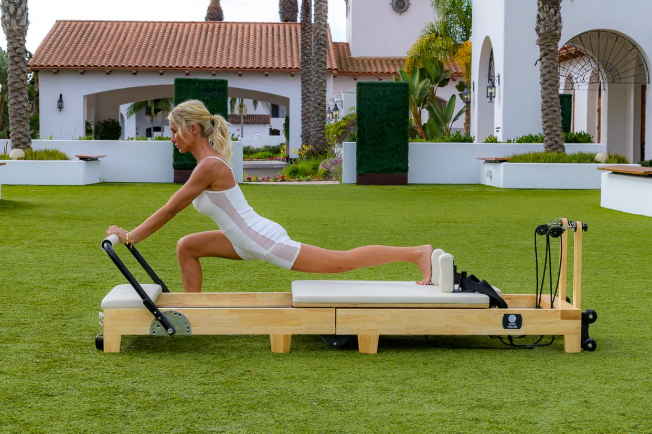
Some people enjoy using equipment that guides the body through smooth motion. Home users often explore setups that include a guided routine supported by a modern reformer system that promotes slow and steady muscle engagement. The sliding platform helps with alignment. The resistance stays predictable. This makes each movement easier to control.
Slow training works well with this kind of tool because the structure helps maintain focus. The body can feel every part of the motion. There is no rushing. There is no strain. It becomes a supportive experience instead of a demanding one.
Different positions can be used too. Some movements happen while lying down. Others happen while kneeling or standing. Each position brings attention to a new part of the body.
Why Emotional Wellness Improves With Intentional Movement
The body and mind influence each other more than many people realise. When the body holds tension, the mind reacts. When the mind feels pressure, the body tightens. Slow training helps interrupt this cycle.
This approach encourages deeper breathing. It slows down decision-making. It supports calm effort rather than forced effort. These qualities help reduce stress and invite more emotional ease.
People often feel clearer and more relaxed after this type of routine. The structure supports a sense of control without being intense. The movement supports emotional comfort without feeling heavy.
Building A Stronger Mind-Body Connection
Awareness is one of the most important elements of this method. It teaches the body to notice small details. It helps identify tension. It also supports better alignment.
Awareness-based movement improves:
- posture
- breathing patterns
- balance
- concentration
These improvements help the mind stay present. A present mind feels calmer. It also helps reduce the habit of rushing through daily tasks.
This style of training encourages people to notice how they feel during movement. That simple habit supports emotional self-care throughout the day.
Adding Gentle Variety To Keep Training Enjoyable
Variety helps people stay engaged in their routines. Some individuals add upright or seated movements through gentle pilates reformer exercises that support core strength, posture, and body awareness. These movements feel accessible and comfortable. They work well alongside reformer sessions because they train the body in smaller, focused ways.
Chair-based movements also support balance. They help strengthen the core in a position that many people use during daily activities. This makes the routine more relatable and practical.

A Simple Routine That Blends Strength And Self-Care
A balanced routine does not need to feel complex. A gentle structure can help guide the body and mind through a calm session. Many people use a simple flow like this:
- Start with breathing: Soft breaths that bring the shoulders down and calm the body.
- Warm the joints: Light circles or slow shifts that help the body loosen.
- Activate the core: Small patterns that teach the core to support posture.
- Strengthen the lower body: Slow lunges or guided leg motions that improve stability.
- Develop upper body control: Gentle pulling or pressing movements that support shoulder alignment.
- Finish with mobility: Soft stretches that help the body stay flexible and relaxed.
This kind of flow builds strength without pressure. It encourages emotional ease and physical comfort at the same time.
Long-Term Benefits Of This Calmer Method
Slow strength training supports many long-term benefits. Stabilising muscles grow stronger. These muscles help protect the joints. Mobility improves with consistent practice. The body moves with less stiffness and more fluidity.
Research highlighted by Healthline shows that Pilates can improve strength, posture, mood, and overall quality of life, which supports the long-term benefits of this calmer approach to movement.
Emotionally, people feel more grounded. Calm movement shifts the focus toward care and awareness. It creates space for better breathing and better balance. This supports overall well-being.
This approach also encourages sustainability. It does not demand long hours. It does not rely on extreme effort. It fits naturally into everyday life and supports long-term health.
Final Thoughts
When movement is done intentionally, it can help one be strong and emotionally healthy. It is a mild technique that combines physical exercise with self-care. It promotes slowing down, deep breathing, and reflective participation. It makes the body feel as strong, and the mind feel clear.
Restrained motion fosters self-esteem. The orientation is supported by guided resistance. Awareness turns into an emotionally comforting thing. A combination of these factors leads to a habit of sustainability and health.
Mobility does not have to be hectic and pressurising. It can feel nurturing. It can feel grounding. It can help the body and the mind find strength and calm at the same time.