
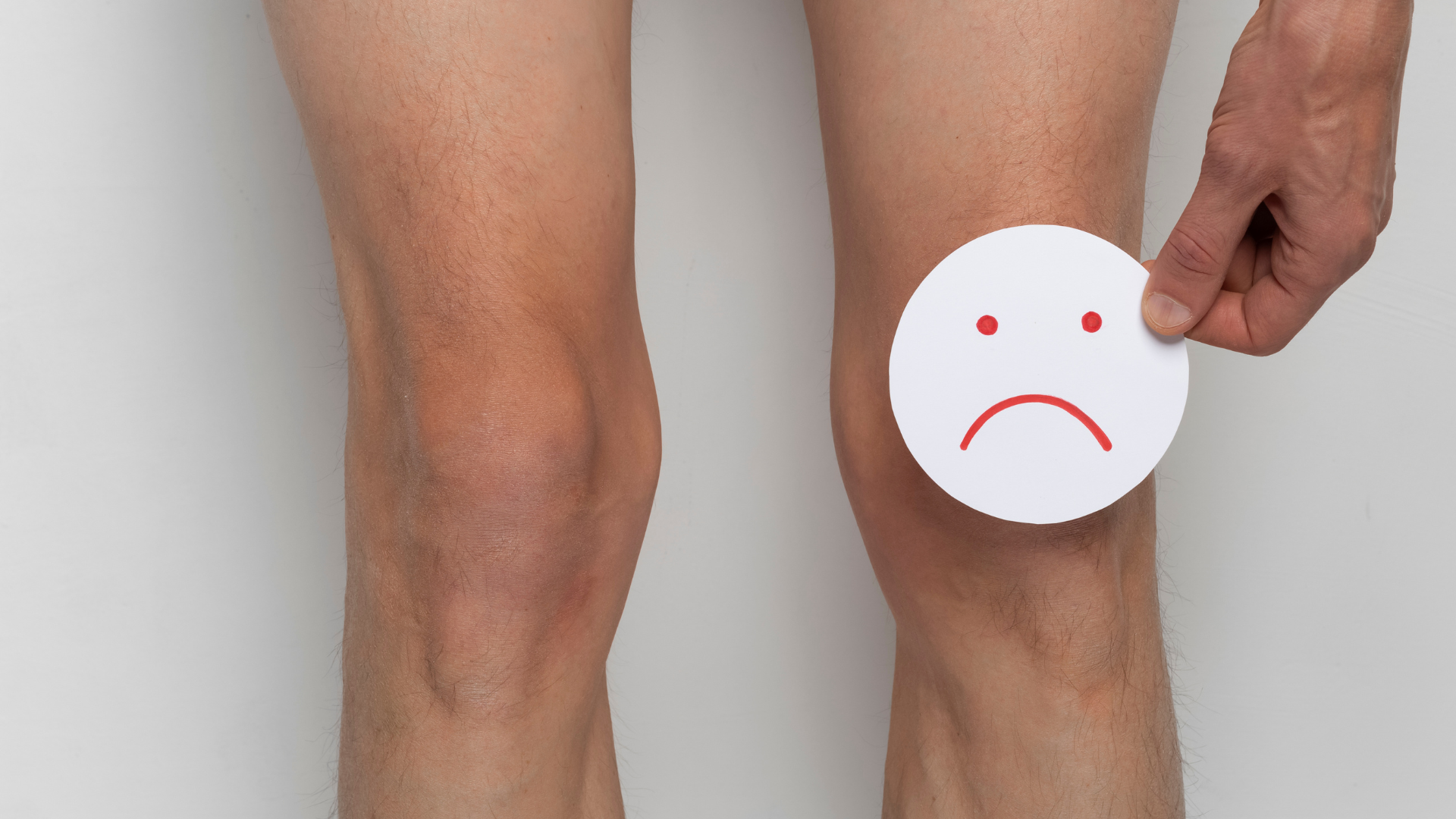
Getting injured can completely change how a person moves and feels. For those who are active or involved in sports, a knee injury can be especially worrying. The thought of surgery can spark feelings of fear, confusion, or even uncertainty about the next step. Many wonder if there’s a way to heal without going under the knife, and if rehabilitation alone might be enough.
Deciding between rehabilitation and surgery is never simple. It depends on many things — the severity of the injury, the lifestyle of the person, and even how their body responds to early treatment. For injuries like an ACL tear, these questions become even more pressing, as the decision will shape someone’s recovery experience and future mobility.
Understanding both paths — reconstruction and rehabilitation — can help anyone make a more informed choice. This clarity can reduce anxiety, set realistic expectations, and ultimately guide them toward the most effective, long-term solution. It’s not just about returning to movement, but regaining confidence in that movement again.
Understanding the Nature of ACL Injuries
The Role of the ACL in Knee Stability
The anterior cruciate ligament, or ACL, plays a vital role in stabilizing the knee. It keeps the shin bone from moving too far forward and helps control twisting motions. When it tears, the knee may feel loose or unstable, often making basic activities like walking downhill or turning on one leg uncomfortable or uncertain.
In some cases, an ACL tear happens with a sharp pop or instant pain, usually during sports involving sudden stops or changes in direction. The swelling that follows can make it hard to know how bad the injury really is. Some people notice their knee returning to normal after a while, only to have instability return when they try to be active again. This is where the question often begins — do they need reconstruction, or can they strengthen their knee through rehabilitation?
When Rehabilitation Can Be Enough
Rehabilitation can work surprisingly well for certain ACL injuries, especially when the tear is partial or when the person’s lifestyle doesn’t require intense pivoting or jumping. It focuses on improving muscle strength, balance, and coordination to help the body compensate for the weakened ligament.
Those who commit fully to rehab often start by rebuilding strength in the quadriceps, hamstrings, and hips. Over time, the stronger surrounding muscles can stabilize the knee and reduce the feeling of looseness. Physiotherapists sometimes refer to “copers” — people whose muscles and movement control allow them to return to daily or even recreational activity without surgical reconstruction.
This approach requires consistency, discipline, and a clear understanding of what the body can and cannot handle. For someone whose job or hobbies involve minimal cutting or twisting, rehabilitation may be a sensible and effective path to recovery.
When Reconstruction May Be the Better Choice
However, not everyone’s knee responds the same way to rehab. If instability continues even after months of structured exercise, or if the person hopes to return to high-level sports, reconstruction might be the better choice. Without a stable ACL, the knee can give way suddenly, increasing the risk of further injury to cartilage or other ligaments.
Reconstruction is not just about fixing what’s torn — it’s about restoring full function for those who need higher levels of movement confidence. For someone considering ACL surgery in Singapore, modern techniques often allow for minimally invasive procedures that support quicker recovery times and lower risks. Still, surgery comes with its own set of challenges: swelling, long healing periods, and the emotional patience needed to trust the process.
The decision ultimately depends on how active a person wants their future to be. If goals involve running, basketball, or competitive training, reconstruction offers the most reliable stability. If lifestyle demands are more moderate, rehabilitation might be enough.
Evaluating Treatment Paths Together
The Role of Personal Goals and Lifestyle
No two knees — or lives — are the same. One of the biggest factors in choosing between rehab and surgery is lifestyle. Someone who wants to go back to climbing, skiing, or soccer will need a knee that can manage quick twists and changes in direction. In contrast, if daily life includes activities like walking, yoga, or stationary exercise, non-surgical rehabilitation can often provide strong results without the risks and downtime of surgery.
Discussing these goals with a sports physician or orthopaedic specialist can be very helpful. These conversations aren’t about pressuring someone into one option, but about building understanding. The right choice should align not only with physical needs but also with what will make the person feel comfortable and confident long-term.
The Importance of a Thorough Assessment
A full evaluation is one of the most overlooked but crucial steps in making this decision. Medical imaging, knee stability tests, and even early rehabilitation sessions all help determine how well the joint responds without surgical intervention. Some people regain near-normal function with physical therapy alone, while others feel the knee “slip” even with basic movements.
A good clinician won’t rush into surgery unless it’s necessary. Instead, they might suggest a time-limited trial of physiotherapy — usually several weeks to a few months — to see how the knee adapts. This period can offer valuable insight. If the person rebuilds strength successfully, surgery might be avoided. If not, stepping into reconstruction will at least be a well-informed choice, not a reaction made under pressure.
Understanding that each body heals differently is empowering. The best outcomes come from matching medical guidance with self-awareness and patience.
Finding Balance Between Treatment and Recovery
Choosing between rehabilitation and reconstruction is rarely a one-size-fits-all answer. It often lies somewhere in between, depending on how the body responds to care, personal goals, and expectations for future activity. Both paths — when properly guided — can lead to strong, functional recoveries.
Rehabilitation teaches patience and awareness, helping the body regain control naturally. Surgery, meanwhile, offers a second chance at full movement for those who need their knee to handle more demanding tasks. Whichever option feels right, what matters most is committing to the process, staying consistent, and listening to professional advice. Healing is not a straight line, but a series of steps that strengthen trust in one’s body again.
For anyone facing this decision, the best path often emerges through honest discussion with medical experts and a realistic understanding of personal needs. Taking time to weigh the options carefully can make recovery — whether through therapy or reconstruction — smoother and more sustainable. What begins as a difficult choice can end as a confident return to moving freely again.