
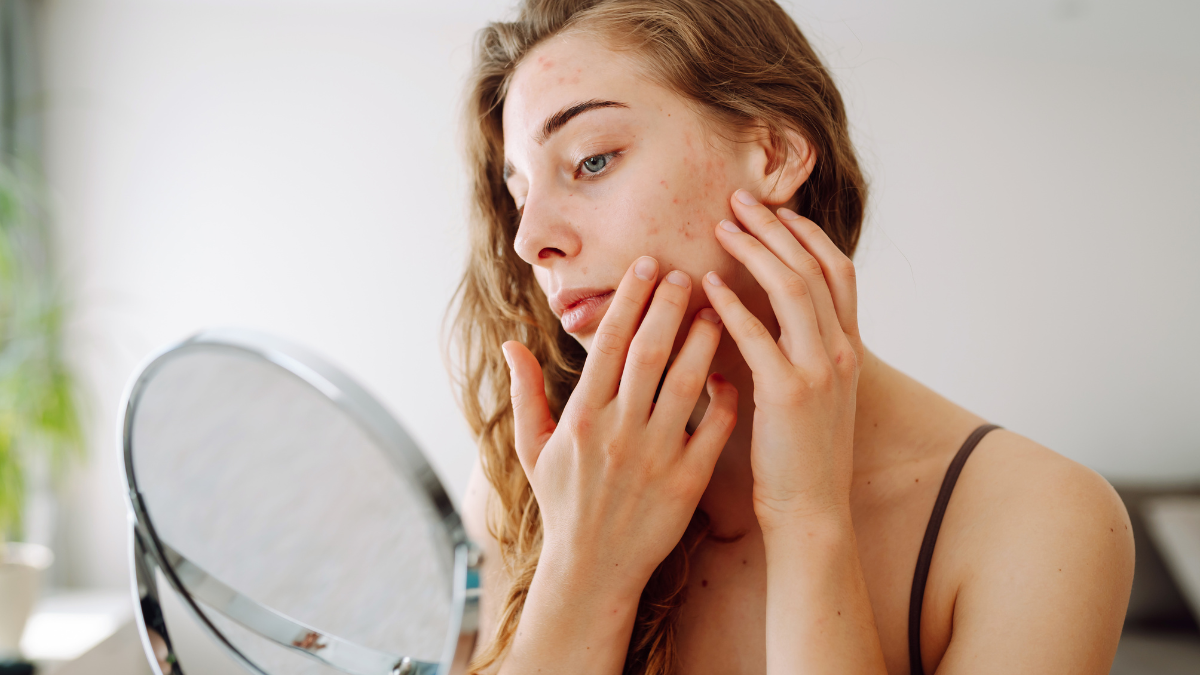
Allergies are a common part of daily life and often show up through skin reactions, breathing symptoms, or digestive discomfort. Metals in jewelry, certain foods, airborne particles, and personal care products frequently trigger redness, itching, congestion, hives, or stomach upset. These reactions may repeat multiple times before a clear cause is identified.
Experts recommend managing allergies through careful observation, targeted exposure reduction, and informed product or material choices. Tracking symptoms alongside timing, duration, and type of exposure improves clarity and supports accurate evaluation. Gradual adjustments based on documented patterns help reduce discomfort while limiting unnecessary restrictions and guiding appropriate clinical testing when needed.
Jewelry-Related Metal Sensitivities
Skin irritation around piercings commonly develops after contact with certain metals used in earrings. Redness, itching, or swelling may appear within hours or days, particularly with prolonged wear or pressure at the piercing site. Materials such as implant-grade titanium, niobium, and higher-karat gold are widely recommended because they contain fewer reactive components and are less likely to provoke inflammation.
Design and wear habits also influence skin response. Flat-back posts and lightweight hypoallergenic stud earrings reduce friction and pressure during daily use. Allowing breaks between wear days supports skin recovery and reduces cumulative irritation. Persistent symptoms after material changes may indicate a confirmed metal sensitivity that benefits from patch testing to guide future jewelry choices.
Food-Based Allergy Reactions
Hives, stomach discomfort, vomiting, and nasal symptoms that follow a meal can signal a food allergy. Experts recommend watching for repeat reactions to the same food instead of assuming one event proves the cause. Note timing and portion size; immediate responses within two hours are easier to connect to a particular item, while delayed issues require broader review.
Keeping a simple food-and-symptom log with dates, ingredients, portions, and exact reactions clarifies patterns over several weeks. Clinicians use that record to target testing and avoid unnecessary eliminations. Bring the log to appointments and use it to guide safe, incremental trials under medical supervision for clearer next steps.
Airborne Environmental Allergies
Sneezing, itchy eyes and nasal congestion often rise with outdoor pollen and household dust. Experts recommend weekly bedding washes and frequent vacuuming using a machine with a good filter. Changing clothes and washing hands after yard work or long walks reduces allergen transfer indoors and keeps shared fabrics from building up pet dander and dust.
Managing airflow during peak pollen periods helps stabilize indoor conditions when paired with regular filter changes. Close windows on high-count days, run bathroom or kitchen fans during use, and consider a HEPA air purifier for common rooms. Time outdoor chores for lower pollen hours and note whether symptoms improve over several days.
Reactions to Personal Care Products
Skin reactions to soaps, shampoos, cosmetics, or lotions often appear as redness, itching, or dry patches. Symptoms usually develop in areas of repeated contact, such as the scalp line, wrists, neck, or behind the ears. Noting the timing between product use and symptom appearance helps narrow likely ingredients responsible for irritation.
Initial management focuses on eliminating recently introduced products and switching to fragrance-free, dye-free alternatives. Testing products one at a time reduces overlap that can obscure the cause. Small-area patch testing on intact skin offers additional confirmation before regular use, reducing repeated flare-ups from avoidable exposure.
Animal and Pet Allergies
Animal-related allergies are commonly triggered by proteins found in dander, saliva, and urine that readily adhere to skin, clothing, and household surfaces. Cats and dogs are frequent sources, though small mammals and birds can also contribute. Contact may lead to sneezing, itchy eyes, or localized skin irritation. Prompt handwashing and changing clothes after pet interaction reduce secondary transfer throughout the home.
Environmental controls support symptom reduction without complete avoidance. Keeping bedrooms pet-free, washing pet bedding weekly in hot water, and vacuuming shared spaces with high-efficiency filtration lowers overall allergen levels. Wiping hard surfaces and using washable covers further limits buildup, helping stabilize exposure patterns and make symptoms more predictable during routine daily activities.
Managing everyday allergies becomes more effective with consistent habits and clear records. Identifying triggers, reducing exposure, and making informed product or material choices can significantly lower symptom frequency. Simple actions such as tracking reactions, adjusting environments, and testing changes one at a time support better outcomes. Routine cleaning, airflow control, and careful contact management reduce indoor allergen buildup. When symptoms continue or intensify, documented patterns help clinicians provide targeted guidance. A practical, steady approach allows discomfort to be reduced while daily activities remain predictable and manageable over time with realistic expectations and consistent follow-through applied.