
Self-care may have many different appearances. Others even begin their day with a cup of tea before the house rises. Others will lie down on the floor and take slow walks to clear the mind, which takes a few minutes.
It does not have a single correct way of doing it. However, there is one thing that most individuals do not consider, which is gentle and strength-based movement.
Mindful strength work has a calm feel to it. The movements are slow. The breathing stays steady. Nothing about it feels like a race. It gives the body a chance to wake up without being pushed too far, which is something many people need more than they realise.
Why Mindful Strength Helps With Daily Stress
Most of us carry tension without noticing. Shoulders creep up. The lower back tightens. Breathing gets shallow when the day feels heavy. It happens slowly, so it is easy to ignore until everything feels worn out.
Gentle strength work helps undo some of that. The body gets a chance to move in a way that feels safe. Muscles warm up at a comfortable pace. There is time to actually notice what feels tight or tired. That awareness alone can shift how someone feels for the rest of the day.
There is something comforting about moving slowly. The mind does not have to keep up with anything complicated. The body settles into a rhythm, and the nervous system follows.
How Slow Movement Sets a Softer Tone For the Day
Starting the day with slow movement creates a different kind of energy. The body feels less rushed. Breathing feels easier. Even small things, like getting dressed or walking outside, feel a bit more grounded.
Slow strength work also enables easy attention to how the body is moving. There should be a bit of space between repetitions. A bit more knowledge of the expansion of the ribs or the movement of the hips. Such minute details make one feel closer to oneself.
It is usually said that they feel lighter due to the fact that the body is finally allowed to breathe because the workout was not intense.
Adding Gentle Resistance Without Overloading the Body
Mindful movement does not need heavy weights. Most of the time, the body responds best to light resistance and calm pacing. Some people enjoy tools that guide them through longer, steadier movements. These tools are encouraging and not assertive.
The Cleveland Clinic also stated that low-impact forms of movement can make the body stronger, and at the same time safeguard the joints, which is the reason they are compatible with slower forms of resistance exercises.
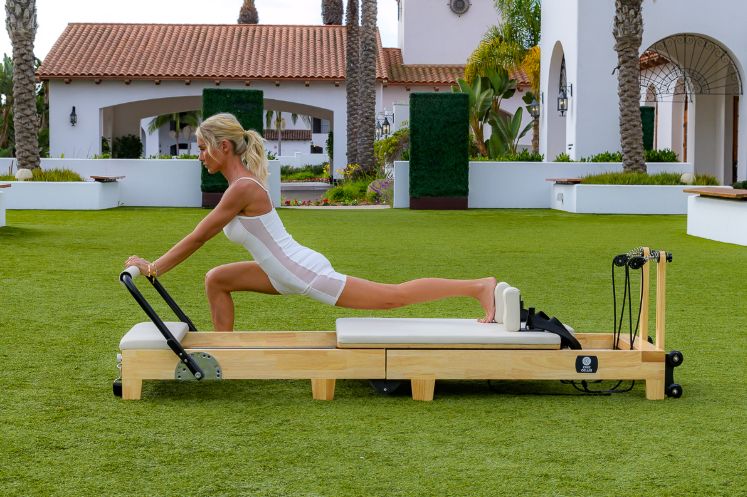
When people are seeking low-impact strength exercises, they consider a gentle megaformer pilates-based routine, which offers guided movement, particularly when they seek an organised yet not heavy routine.
Such a movement is one that extends the body and makes it stronger. It creates slow, even resistance that feels smooth instead of abrupt. It can be a good option for people who want their movement practice to feel grounding, not draining.

How This Kind of Movement Helps Emotionally
Little strength work can be more emotional than one thinks. When the body decelerates, it tends to bring down with it the mind. Breathing settles. Thoughts stop racing. A feeling of tranquillity comes out nearly spontaneously.
According to research by Harvard Health, mindful movement exercises have the potential to reduce stress levels and put the nervous system in a more relaxed state, thus favouring emotional health during slow strength exercises.
These meetings do not necessarily have to be long. Even several minutes may be a refresh. The movement is not complex to a level that consumes much brain power, and that may be a relief in the hectic days.
Some people use this time to unwind after stress. Others use it to ease into the morning. It works in both directions because the point is not intensity. It is a connection.
Fitting Mindful Strength Into a Weekly Routine
A self-care routine does not have to be strict or perfect. Mindful strength fits nicely because it is flexible. It can be five minutes or thirty. It can be done on the floor, in a studio, or anywhere with a little space.
A few ideas that help people stay consistent:
- Keep sessions short at first: Short sessions feel less intimidating and easier to repeat.
- Choose movements that feel natural: Simple stretches, gentle core work, and long, steady holds often feel the best.
- Let the breath lead: When the breath stays slow, the movement stays calm.
- Check in with the body: Some days feel tight. Some days feel open. Let the practice adjust.
- End with a pause: A small moment of stillness helps the body settle.
Over time, these small choices become a routine without much effort.
How Mindful Strength Builds Confidence
Confidence often comes from feeling comfortable in the body. Not perfect. Not powerful in a dramatic way. Just comfortable. When the body moves without sharp pain or tension, everything else feels a little easier.
Mindful strength helps build that comfort. The movements are slow enough to feel safe, yet strong enough to feel meaningful. People often notice they stand a bit taller or breathe a bit deeper after a few weeks. These small changes support confidence in a quiet, steady way.
It is not about becoming “fit” in a traditional sense. It is about feeling at home in the body again.
Bringing It All Together
Indicative, power-focused movement makes the day less hectic. It builds strength without stress. It brings awareness back into the body. It creates a rhythm that feels calming and kind.
It is a kind of motion that should be added to a self-care routine to make people feel more present. It provides some kind of relaxation that carries to the remaining part of the day. It gives the body strength in a manner which is gentle, continuous and personal.
To most people, this forms the best part of their routine.