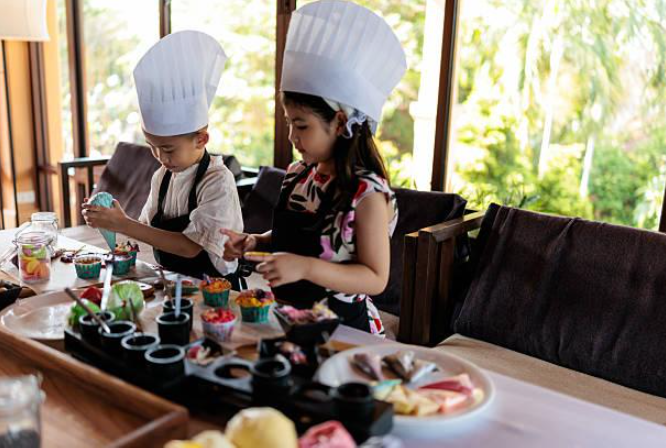
New Orleans is a historic city in southern Louisiana, known for its rich food culture and deep culinary traditions. Cooking is part of daily life here, shaped by generations of community and heritage. Choosing a culinary camp for your child in such a city can feel both exciting and overwhelming.
When selecting a camp, parents should look for programs that combine hands-on cooking, cultural learning, and supportive guidance, ensuring their child gains skills and confidence while having fun in a safe environment. That is why many families choose a kids culinary camp in New Orleans; it offers more than just an activity; it provides a real learning experience rooted in the city’s vibrant food culture.
This article serves as a helpful guide for parents to make informed decisions when choosing the right culinary camp for their child.
Start by Thinking About Your Child
Every child is different. Some love getting their hands messy, while others enjoy being creative and trying new ideas. Pay attention to what excites your child at home. A camp that matches their natural interests will keep them engaged and confident.
Choose the Right Age and Skill Level
Culinary camps are usually designed with specific age groups in mind. Younger children need simple instructions and shorter activities to stay focused. Older kids may enjoy more responsibility and complex recipes. Choosing the right level helps your child feel comfortable and capable.
Understand How the Camp Is Structured
Camp structure plays a big role in how children learn. Some camps focus on daily themes, while others slowly build skills over time. A good program balances learning with play. Kids should feel guided, not rushed or pressured.
Look Closely at the Instructors
Instructors shape the entire experience. They should be patient, encouraging, and comfortable working with children of different personalities. When instructors explain clearly and stay positive, children feel safe asking questions. This makes learning more enjoyable and effective.
Safety and Cleanliness Matter
A kitchen can be a busy place. Camps should have clear safety rules and child-friendly tools. Ask how children are supervised during cooking activities. A clean and well-organized space allows kids to focus without distractions.
Focus on Skills Beyond Cooking
The best culinary camps teach more than recipes. They help children build life skills that support everyday growth.
Many camps focus on:
- Following instructions carefully
- Working well with others
- Managing time and tasks
- Taking responsibility for their work
Make Sure the Camp Is Fun
Children learn best when they are having fun. A culinary camp should feel exciting, not like another classroom. Too much structure can feel limiting. Too little guidance can feel confusing. The right balance keeps kids motivated.
Ask About Group Size
Group size affects how much attention each child receives. Smaller groups often allow instructors to support children more closely. This is especially important for younger kids. Feeling noticed builds confidence.
Look for Creativity and Cultural Learning
Some camps introduce children to food from different cultures. This adds depth to the experience. Kids learn that food tells stories. Creativity grows when children are encouraged to experiment and express ideas.
Think About What Happens After Camp
A good culinary camp continues to make an impact after it ends. Parents often notice children becoming more independent and helpful. Programs like a kids culinary camp in New Orleans often inspire kids to take pride in their abilities.
Ask the Right Questions Before Enrolling
Before making a decision, take time to ask questions. Clear answers help you feel confident.
Helpful questions include:
- What does a typical day look like
- How are children grouped by age
- What safety rules are followed
- How are skills practiced and reinforced
These details reveal how thoughtfully the camp is run.
Choose What Fits Your Family Values
Every family looks for something different. Some value creativity, while others focus on discipline or independence. Choose a camp that reflects what matters most to you. When values align, the experience feels rewarding for everyone.
Key Takeaways
- The right culinary camp supports learning beyond cooking
- Age-appropriate programs help children feel confident
- Skilled instructors create a positive environment
- Safety and cleanliness are essential
- Fun and learning should go hand in hand
- Strong camps build independence and pride