
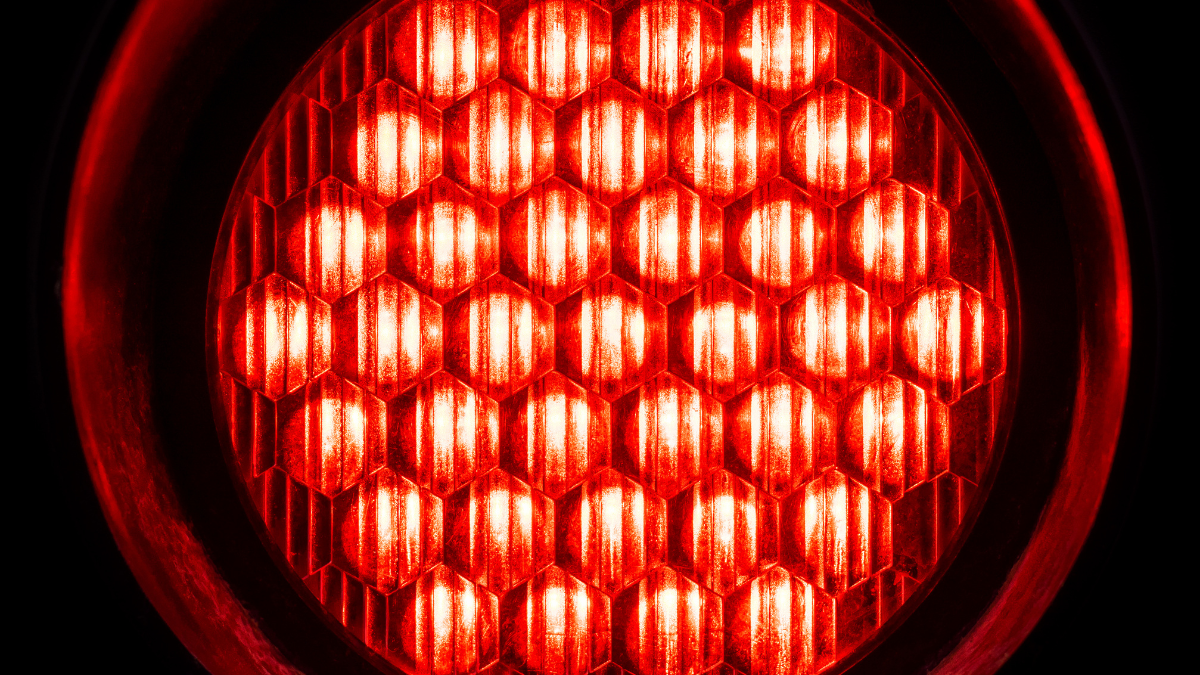
Hair growth technology has advanced far beyond topical treatments and supplements. Red light therapy caps now use specific light wavelengths and laser systems to help support natural hair regrowth. These devices aim to reactivate weak follicles and improve scalp health through science-backed methods rather than quick fixes.
Understanding what makes a red light growth cap effective helps explain why this technology continues to gain attention for hair restoration. Each main element—from the type of light used to how it supports cellular energy—plays a direct role in the process. By exploring these active elements, it becomes clear how targeted light exposure can influence the scalp’s environment and encourage stronger, healthier hair growth.
1. Red and Near-Infrared Wavelengths (630-680 nm)
Red and near-infrared light between 630 and 680 nanometers plays a key role in hair growth technology. These wavelengths reach the scalp surface and stimulate cellular energy within hair follicles. Research shows that a safe red light growth cap for men uses this range to deliver consistent light directly to the scalp ensuring effective treatment without causing any harm.
That light in this range supports better blood flow and nutrient delivery to hair roots. It may also help reduce scalp inflammation, which can slow hair growth. Therefore, steady exposure at these wavelengths supports a healthier environment for new strands to form.
Devices designed with this wavelength range focus on both comfort and safety. They use low-level light that does not cause heat damage or discomfort. As a result, users can include this therapy in their routine several times a week without irritation or downtime.
2. Low-Level Laser Therapy (LLLT) Technology
Low-Level Laser Therapy (LLLT) uses specific wavelengths of red or near-infrared light to support natural cellular activity. The light energy interacts with cells in the scalp, which may help improve circulation and encourage healthier hair growth over time.
This technology uses low-intensity lasers rather than heat-based light sources. The process does not damage tissue and feels comfortable for users. Because the light is coherent and focused, it can reach deeper layers of the scalp compared to standard LED devices.
Researchers have studied LLLT for decades to understand its effects on tissue repair and inflammation. Studies suggest that consistent use may help improve hair density in people with hereditary thinning.
Manufacturers design red light growth caps with this technology to deliver uniform coverage across the scalp. The goal is to expose hair follicles to a safe, controlled level of light energy that supports their normal growth cycle.
3. Improved Scalp Circulation
Red light growth caps use specific wavelengths of light that reach deep into the scalp. This light energy helps blood vessels widen slightly, which allows more oxygen and nutrients to reach hair follicles. As a result, the scalp environment becomes more active and better prepared to support natural hair growth.
Better circulation also helps remove waste products that can block follicle activity. By clearing these materials, the scalp stays cleaner and more balanced, which supports healthier hair over time.
In addition, steady blood flow helps maintain consistent nutrient delivery. Follicles that receive enough oxygen and nutrients often produce stronger, thicker strands. This steady supply supports the natural growth cycle and may help reduce thinning in some areas of the scalp.
4. Cellular Energy Production (ATP Boost)
Red light growth caps aim to support natural energy processes inside cells. They use specific wavelengths that reach the mitochondria, the parts of cells responsible for producing adenosine triphosphate (ATP). ATP acts as the main energy source that powers normal cell activity.
Research shows that red light can increase the activity of cytochrome c oxidase, an enzyme inside mitochondria. This reaction helps cells create more ATP from nutrients already present in the body. As a result, cells may function more efficiently and recover faster after stress.
Better ATP output can help scalp cells stay active and healthy. This improvement supports stronger cellular repair and may help maintain normal hair growth patterns. By promoting efficient energy use, red light growth caps provide a steady foundation for overall scalp and follicle performance.
5. Anti-Inflammatory Effects
Red light growth caps use wavelengths that help calm inflammation in scalp tissues. The light interacts with cell structures, such as mitochondria, to support normal cell activity and reduce stress that can lead to irritation.
Research shows that red and near-infrared light can influence immune responses. It helps balance pro- and anti-inflammatory signals, which may ease swelling and tenderness around hair follicles.
This process can also improve blood flow and oxygen delivery. As a result, scalp cells receive better nutrients, which support a healthier environment for hair growth.
Many users notice less redness or sensitivity after consistent use. Although results vary, the anti-inflammatory effect plays a key role in maintaining scalp comfort and supporting overall treatment success.
Conclusion
Red light growth caps combine several active elements that support healthy hair regrowth. Each element—such as wavelength precision, power level, and scalp coverage—works together to stimulate hair follicles in a safe and consistent way.
These devices rely on light energy at around 650 nm, which research shows can help activate dormant follicles. Consistent use may improve circulation and promote stronger hair over time.
Proper design also matters. Even light distribution, comfortable fit, and adequate session duration all influence how well the cap performs.
Together, these factors create a balanced system that supports natural hair renewal without invasive methods or harsh chemicals.